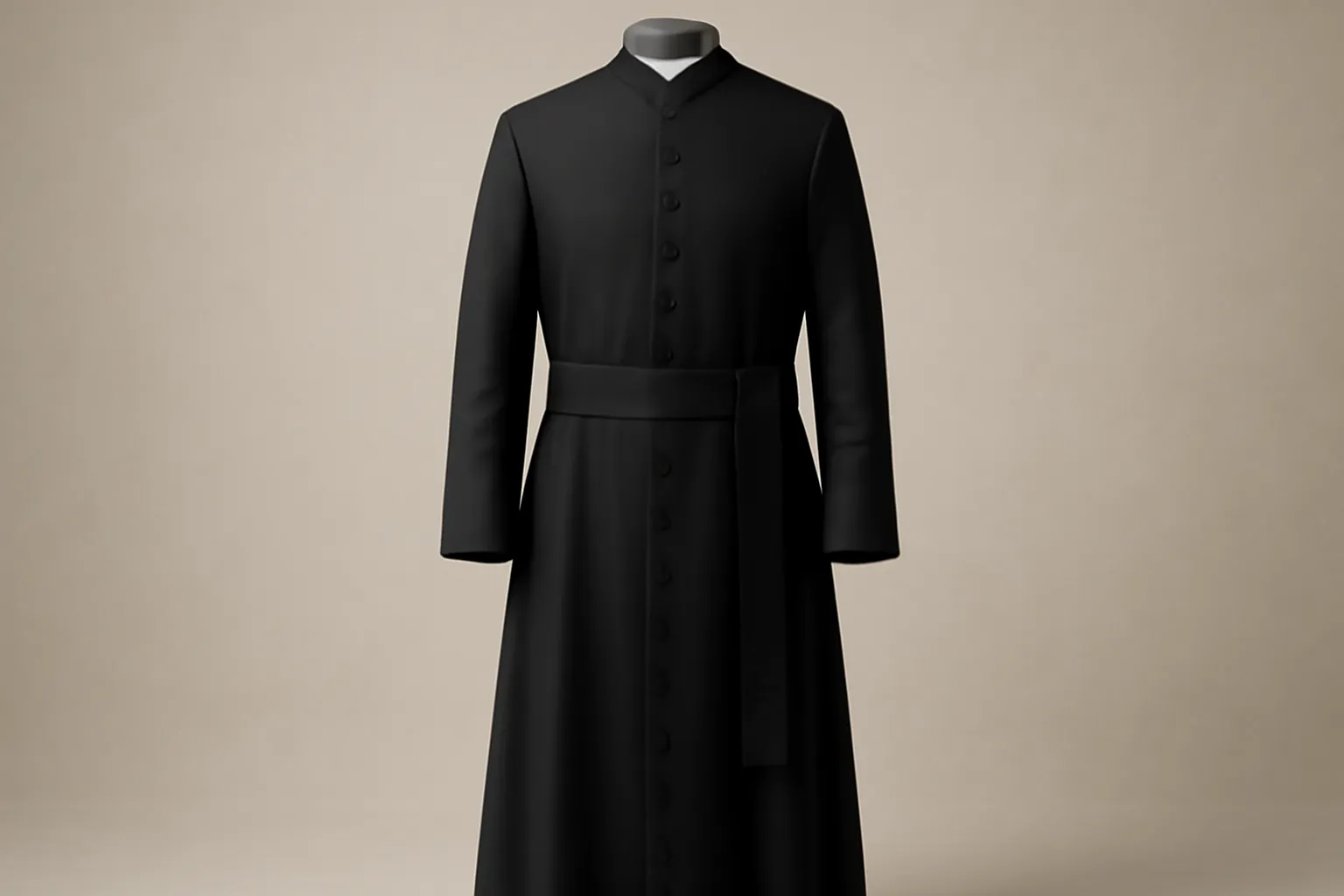
Overview: Priest Robe, Robed Attire, and the Language of Clergy Vestments
In many faith communities, the priest robe is more than a simple garment: it is a deliberate symbol of vocation, authority, humility, and service. When a pastor, priest, or other clergy member stands at the altar, the attire they wear communicates continuity with tradition, respect for the sacred rites, and readiness to shepherd a congregation. Today’s market of premium clergy robes offers a wide range of fabrics, silhouettes, and customization options designed to be both aesthetically meaningful and practically durable for long church services, weddings, funerals, ordinations, and other solemn ceremonies.
This article explores the many facets of priestly vesture—from the historical roots and liturgical symbolism to the practical considerations of fabric, cut, and care. Whether you are a church administrator sourcing robes for a clergy team, a priest seeking to understand the symbolism behind the garb, or a designer and tailor specializing in ecclesiastical wear, you will find guidance on selecting robes that honor tradition while meeting contemporary needs.
What constitutes a priest robe?
The phrase priest robe encompasses a family of garments worn by clergy during worship and formal rites. In many Christian traditions, this ensemble is built from several components, each with its own function and symbolic meaning. While terminology varies by tradition, the core concepts remain similar: a clean, modest inner layer, a luminal outer layer for sacred action, and accessories that denote liturgical roles.
In broad terms, a modern church robe collection may include items such as an alb, a cassock or soutane, a tunic or surplice, a stole, and a chasuble or cope, among others. The combination worn by a given priest depends on denomination, season, and specific rite.
To make the discussion precise, here are some common terms you may encounter, with succinct definitions:
Alb: a long, white or light-colored robe that reaches the ankles, typically worn as the base liturgical garment.
Cassock (or soutane): a close-fitting full-length robe worn as an outer garment in many traditions, often in black or dark tones.
Stole: a long, narrow scarf typically worn around the neck, signifying ordained ministry—the color changes with the liturgical calendar.
Chasuble: the outermost liturgical vestment for celebrants in the Roman Catholic, Anglican, and some Protestant traditions; often richly decorated and color-coded.
Dalmatic: a wide-sleeved outer vestment worn by deacons in certain traditions, sometimes paired with a tunic and stole.
Cope: a long ceremonial cloak worn by bishops or clergy during processions or non-Eucharistic rites in some churches.
Rochet and Chimere: clerical collars and robes used in certain Eastern or traditional episcopal contexts.
Surplice and Amice: white liturgical undershirts or overlays used in some denominations, often with lace or simple embroidery.
Across traditions, robes are designed to support the liturgy: they are non-distracting, modest, and crafted to convey a sense of sanctity, order, and reverence. When you select premium clerical robes, you are balancing tradition, function, and aesthetic quality to ensure the wearer can lead confidently and prayerfully.
Fabric, texture, and durability: Materials that matter
The choice of fabric profoundly affects how a robe behaves under stage lights, in heating systems, and during long ceremonies. High-quality clergy robes are crafted to drape well, resist wrinkling, and maintain colorfastness after repeated washing. Fabrics range from traditional natural fibers to modern blends, with performance and symbolism tied to each option.
Natural fibers: Comfort, drape, and sustainability
Natural fibers such as cotton, linen, wool, and silk have a long history in liturgical vestments. They offer excellent breathability and a tactile quality that many wearers find deeply comforting during long services.
Cotton and cotton blends: lightweight, easy to wash, and comfortable in warmer climates; often used for alb and surplice components.
Linen: breathable with a crisp, natural texture; preferred for summer liturgies and certain Orthodox or Greek Catholic contexts.
Wool or wool-blend fabrics: durable and warm, well-suited for cooler seasons or regions; can be woven to achieve a luxurious, substantial look.
Silk or silk blends: opulent, with a natural sheen; typically reserved for higher-end pieces like chasubles and copes or for special occasions.
Synthetic fabrics such as polyester, viscose, and blends are common in contemporary ecclesiastical wear for their durability, color retention, and ease of care. Premium robes often use high-twist or satin-weave synthetics that simulate silk or rich wool while remaining affordable and easy to launder.
Polyeser blends: resistance to wrinkles, consistent color, and lower maintenance.
Poly blends with rayon or viscose: softness and drape that resemble natural fibers but with improved crease resistance.
Microfibre fabrics: durable, lightweight, and comfortable in all climates; often used for choir robes and daily ministry wear.
Finishes and embellishments
In the realm of premium clergy robes, finish quality matters as much as fabric choice. Finishes influence appearance, longevity, and symbolism.
Embroidered motifs: crosses, alpha-and-omega marks, or symbolic imagery tied to a parish or diocese.
Gold or silver thread: for a refined, ceremonial look on high holy days.
Wire or crystal accents: modest use for processionals or formal events, careful to avoid glitter that distracts from liturgy.
Lining: satin or colored lining adds weight and a sense of opulence; hidden details can reflect the identity of a church.
Color, symbolism, and the liturgical calendar
A distinctive aspect of clerical dress is the deliberate use of color to reflect the church calendar. Robes are not merely decorative; they communicate where the congregation is in the liturgical year and what the community is commemorating or celebrating.
Liturgical colors vary by tradition but generally follow a seasonal pattern:
White or gold: purity, resurrection, feasts of Christ and saints; used for Christmas and Easter seasons, weddings, and ordinations in many communities.
Red: the Holy Spirit, martyrs, and passion; used on Pentecost, confirmations, and feast days of martyrs.
Green: growth, hope, and ordinary time; a versatile color for ongoing worship.
Purple: penance, preparation, and sorrow; used during Advent and Lent or other penitential seasons.
Blue (in some traditions): the Virgin Mary or particular feast days, often seen in Anglican and Catholic contexts.
Black: mourning, solemn memorials, and certain rites in some denominations; used sparingly for emphasis on reverence.
Gold or metallic hues: exceptional solemnities, high feast days, or moments of supreme celebration.
For a premium robe collection, color fidelity is essential. The dyeing process should yield consistent shade across batches, and the fabric should hold color through multiple washings. In addition to color, embellishments such as embroidery or piping often reflect the identity of a parish and can be customized while maintaining a dignified appearance for the sacred setting.
Garment types in a complete clergy wardrobe
A full set of vestments for dignified worship often includes several layers and accessories. Here are the key pieces you may encounter, organized by role and use.
Base garments: alb, surplice, or tunic serve as the main garment worn under outer vestments; these are chosen for simplicity and modesty.
Outer vestments: chasuble for celebrants, cope for processions, and dalmatic for deacons, each conveying the liturgical function of the wearer.
Stole: the defining symbol of ordained ministry; color-coded to the season and service.
Cincture or belt: a practical and symbolic tie to secure the robe and remind wearers of vows of service.
Footwear: modest, non-distracting shoes that complement the robe without drawing attention away from the liturgy.
Head coverings and other accessories: in some traditions, head coverings or specific hats may accompany certain roles, particularly in ceremonial occasions.
Role-specific ensembles
Depending on the tradition, the same person can wear different combinations of vestments:
Priests in Catholic and Anglican liturgies typically wear an alb plus stole, with a chasuble for the Eucharist. A cope may be used in processions.
Deacons often wear a dalmatic along with a stole; the color and decorative elements reflect their liturgical function.
Bishops may wear a rochet and chimere beneath other vestments, along with a miter and ceremonial rings in some churches.
Orthodox clergy may wear a similar layering of inner and outer garments, with distinctive styles such as the phelonion for celebrants and the orarion for deacons.
Traditions and variations: Catholic, Anglican, Orthodox, and beyond
While many readers will recognize the classic Catholic and Anglican vestment structures, it is important to acknowledge significant regional and denominational variations. Each tradition has its own history of clerical attire, theological emphasis, and practical concerns.
Catholic and Anglican practice
In both Catholic and Anglican realms, the vestment ritual is highly codified, with clear color cycles and ritual meaning. The chasuble, stole, and alb form a triad that communicates sacramentality, with the chasuble symbolizing the virtue of charity under which the priest presides over the Eucharist. The stole’s position and color reflect the priest’s role as celebrant and minister.
Orthodox and Eastern traditions
Eastern liturgical dress tends to emphasize continuity with early Christian practice. The phelonion (a mantle-like outer garment) and the epitrachelion (a long stole) signal priesthood in visible, regal fashion. In these contexts, vestments are often richly adorned with embroidery and gold threading, reflecting the splendor of the divine liturgy.
Lutheran and other Protestant approaches
In many Protestant denominations, vestments are simplified to emphasize the primacy of the Word and the ministry of the gospel. Yet, several Lutheran and related churches retain a respectful tradition of robes, albs, and stoles, especially for high ceremonies, ordinations, and confirmations. The aesthetics may be more restrained, but the symbolism remains meaningful.
Choosing premium robes: a practical buying guide
For churches seeking to invest in high-quality attire, several practical criteria help ensure you choose robes that endure and honor the liturgy.
Quality of construction: double-stitched seams, reinforced shoulders, and properly finished hems contribute to longevity and comfort during long services.
Fabric balance: consider climate, season, and frequency of use when selecting fabrics. A blend that drapes well and resists wrinkling can reduce maintenance time.
Color fidelity and dye: ensure dyes maintain their hue through multiple launderings; verify color fastness with test washes if possible.
Fit and tailoring: priestly robes should be comfortable and allow freedom of movement; consider alterations for correct length, sleeve width, and overall silhouette.
Customization options: embroidery, monograms, parish crests, or ceremonial insignia can be integrated tastefully to convey identity without distraction.
Maintenance requirements: some fabrics require dry cleaning; others are machine washable or hand-washable—clarify care instructions to preserve integrity.
Ethical sourcing: prioritize suppliers with transparent sourcing, fair labor practices, and sustainable materials where possible.
When budgeting for premium robes, consider the total cost of ownership: initial purchase price, alteration costs, embroidery costs, and ongoing care. A well-chosen set of vestments may last for many years, amortizing the initial investment over time and providing a consistent ceremonial presence for generations of worship.
Care, cleaning, and long-term maintenance
Proper care extends the life and beauty of premium clergy robes. Proper care is especially important for delicate embellishments, silk-like finishes, and gold thread embroidery.
Follow care labels: always adhere to manufacturer instructions for washing, drying, and ironing.
Gentle washing: use mild detergents, avoid bleach, and choose gentle cycles for delicate fabrics.
Temperature control: keep washing and ironing temperatures moderate to prevent fabric damage and color fading.
Storage: store robes on wide, padded hangers to preserve drape; avoid crowded closets that crush sleeves.
Embellishment protection: protect embroidery and gilded trims from snagging and excessive heat.
Professional cleaning: for complex embroidery, metallic threads, or antique pieces, consider professional ecclesiastical cleaners with stain-removal expertise.
Beyond tradition, many congregations seek robes that are practical for modern worship environments, including comfortable movement for processions, readable silhouettes under stage lighting, and easy care for busy clergy life.
Weight and drape: robes should have a gracious fall without excessive heaviness, enabling clear movement for ceremonial steps and sacraments.
Silhouette: consider a cut that flatters multiple body types and remains dignified when worn alone or layered with other vestments.
Embroidery and signage: restrained motifs can speak to the parish identity without overpowering the liturgy.
Accessibility: adjust patterns or tailoring for clergy with mobility considerations, ensuring comfort during long rites.
Global perspectives: sourcing, craftsmanship, and cultural nuances
The making of priestly robes is a craft with regional specialties. Some communities emphasize hand-stitched embroidery and bespoke tailoring, while others prioritize standardized, durable production for global church networks. The best premium robes balance artistry with reliability.
Tailoring hubs: major ecclesiastical suppliers often maintain long-standing relationships with regional tailors who understand liturgical needs and color standards.
Embroidery studios: dedicated studios provide handcrafted motifs that reflect local heritage, diocesan seals, or beloved saints.
Ethical considerations: many churches now request traceability for fabric origins and verification of fair-labor practices in assembly and embroidery work.
Historical context: an arc of liturgical dress
The robe worn by clergy has evolved over centuries, mirroring changes in theology, church governance, and aesthetics. Early Christian practice favored simple tunics and mantles, gradually developing into the richly layered vestments seen in medieval and modern rites. The Reformation, missions, and colonial expansion contributed to variations in style and function, leading to the diverse yet coherent system of vestments observed today.
Understanding this history can deepen appreciation for the robe and vestment set you select. It is a link to the spiritual lineage of the church while also serving a practical role in guiding participants through worship, prayers, and sacraments.
Frequently asked questions about priest robes
This section addresses common concerns about selecting and using robe sets in church services.
How do I choose the right color for a given service? Match the liturgical calendar, the solemnity of the rite, and the parish tradition. When in doubt, consult your church’s liturgical committee or parish priest.
What makes a robe “premium”? Typically, premium robes use high-quality fabrics, meticulous stitching, durable linings, refined drapery, and careful finishing that withstands frequent use and laundering.
Is it important that robes be handmade or can they be machine-made? High-quality machine-made robes can be excellent, especially when produced by reputable ecclesiastical suppliers; however, handmade or bespoke pieces offer a level of customization and unique detailing that some churches value highly.
How should robes be stored when not in use? Hang on broad-shouldered hangers, in a ventilated space, away from direct sunlight to prevent fading and fabric damage.
How long does a premium robe set typically last? With proper care and occasional professional cleaning, a well-made robe can remain serviceable for many years, often 10–20 years or more, depending on wear frequency and care.
Practical tips for churches evaluating robe options
If you are responsible for assemblies, procurement, or wardrobe management in a church, these practical tips will help you approach the decision with clarity.
Inventory assessment: catalog current vestments, note which pieces are in good condition, and identify gaps for the upcoming liturgical year.
Budget planning: create a prioritized plan that accounts for essential pieces first (alb, stole, chasuble) and then additional garments (cope, dalmatic, rochet) as funds permit.
Vendor evaluation: select suppliers with proven ecclesiastical experience, clear care instructions, and reliable lead times for bulk orders or custom orders.
Fitting sessions: arrange fittings with multiple clergy to ensure universal comfort and appropriate length for altar protocols and processions.
Ownership and liability: establish clear policies for who owns, who maintains, and who pays for replacements or repairs of vestments.
Conclusion: honoring tradition with premium priest robes
The Priest Robe and its extended family of clergy robes are more than clothing; they are a language of worship. The careful selection of premium vestments communicates reverence for the sacred, supports the ministry of the clergy, and invites the congregation into a focused and meaningful liturgical experience. From the quiet dignity of the alb to the ceremonial flourish of the chasuble, each piece has a place and a purpose. By choosing fabrics with integrity, ensuring the fit honors comfort and modesty, and maintaining the robes with thoughtful care, a faith community can sustain a tradition that is both enduring and responsive to contemporary needs.

 Por Laura Jara