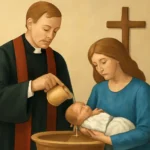
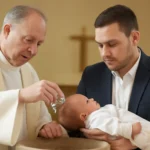
Baptism is often described as more than a single rite; it is a doorway into the Christian story, a public witness to inward trust, and a lifelong invitation to grow in grace. This article explores the baptism significance from multiple angles, offering a broad, respectful look at baptism’s role in Christian life across traditions, while keeping the focus on what this sacrament means for individuals, families, and communities. By tracing its biblical roots, theological interpretations, and practical implications, we can better understand why baptism matters and how it shapes daily living in a faithful context.
At its core, baptism as a sacramental act is a public declaration that a person has entrusted their life to Christ and joined a community of believers. It is not merely a ceremony of cleansing, though the imagery of washing with water is central in Christian Scripture. The significance of baptism extends to several interlocking dimensions: as a symbol of repentance and faith, as a sign of new life, as an entry into the church, and as a channel for grace, depending on the tradition. Because of its complexity and depth, many Christians refer to baptism as both a sign and a seal of God’s promises and as a continuation of the apostolic mission.
In trying to understand the baptism importance, it helps to distinguish between symbolic meaning and perceived grace. Some traditions emphasize baptism primarily as a powerful sign that God has already acted in a person’s life, while others teach that the rite communicates grace in explicit, sacramental fashion. Regardless of the particular emphasis, the central idea remains consistent: baptism connects faith to community, identity to calling, and symbol to reality.
Biblical Foundations of Baptism
Jesus’ Commission and Example
One of the clearest anchors for the practice of baptism is Jesus’ own instruction and example. In the Gospels, Jesus commands his followers to go and make disciples of all nations and to baptize them in the name of the Father, the Son, and the Holy Spirit. This commission, sometimes summarized as the “Great Commission,” situates baptism within the mission of the church: baptism is part of discipleship, not a mere add-on. Jesus himself underwent baptism, identifying with humanity and aligning his mission with God’s redemptive work. The vitality of this model continues to shape how Christians approach baptism today.
In addition, events like Jesus’ baptism by John in the Jordan River provide a paradigm for right order: baptism as a public affirmation of divine approval and a holy commissioning for mission. This example also highlights the communal dimension of baptism, since John’s ministry drew crowds and baptism became a shared symbol of turning toward God.
Scriptural Passages
The New Testament contains a number of crucial passages that frame the meaning of baptism. Some key themes include:
Repentance and forgiveness: “Repent and be baptized” (Acts 2:38) points to conversion as a precursor to the baptismal act.
Identification with Christ: believers are said to be baptized into Christ’s death and resurrection (Romans 6:3–4), signifying a shared fate and future with Jesus.
New creation and cleansing: baptism symbolizes a new identity and the washing away of sin (Titus 3:5).
Entrance into the Body of Christ: baptism marks entry into the church, the one body of believers (1 Corinthians 12:13).
Across the biblical witness, baptism functions as a meaningful combination of response to God’s grace, pledge of allegiance to Christ, and incorporation into a people. The language may differ among denominations, but the core idea remains a powerful link between faith, ritual, and community.
Theological Significance Across Traditions
Catholic and Orthodox Perspectives
In the Catholic, Orthodox, and many Anglican and Lutheran contexts, baptism is often understood as a sacramental act that conveys grace ex opere operato (by the very act performed) under the right conditions. In these traditions, infant baptism is common, and the sacrament is believed to convey a grace that inaugurates the Christian life even before an age of personal decision. The rite typically includes water, the invocation of the Triune God, and often an anointing or other symbols, all aimed at sealing the person to Christ and the church.
For these traditions, baptism is not simply a symbol; it is a tangible means by which God works in the life of the baptized, often in conjunction with a lifelong nurture of faith through catechesis, liturgical life, and moral formation. The church’s role in presenting the sacrament is crucial because baptism is integrated into a larger life of worship, service, and evangelism.
Protestant Perspectives
Among Protestant communities, the interpretation of baptism’s efficacy varies more widely. Many emphasize faith as a prerequisite—that is, baptism is a response to God’s grace, not a cause of it. In this lens, baptism remains an important sign of inward faith and public allegiance to Christ, but the emphasis often lies on personal conversion and confession. For some denominations, believer’s baptism (adult or conscious decision) is the preferred practice, highlighting the integrity of personal faith and informed consent.
Nevertheless, Protestants commonly regard baptism as a divine ordinance that affirms identity in Christ and marks the believer’s entry into the church’s life. Even when the mechanics of baptism differ, the sense that baptism binds the believer to Christ and to the community of faith is pervasive across the tradition.
Other Traditions and Theological Nuances
There are additional nuances across Christian streams. Some congregations emphasize the baptismal covenant, focusing on the response of the baptized to God’s grace, while others highlight the sacramental grace that accompanies the rite regardless of the recipient’s personal understanding. In every case, the baptism importance lies in how the rite expresses trust, belonging, and responsibility before God and the church.
Baptism as a Sign, a Seal, and a Covenant
Many theologians describe baptism as having multiple layers of meaning:
Sign: A visible symbol that points to deeper spiritual realities, such as cleansing, death to sin, and new life in Christ.
Seal: A credential of God’s promise and a guarantee of the believer’s inclusion in the people of God.
Covenant ceremony: A formal declaration of belonging to God and acceptance of the responsibility that comes with that belonging.
The interplay of sign, seal, and covenant helps explain why baptism carries both emotional resonance and doctrinal weight. The image of water as a cleansing and initiate into a new order resonates across cultures, while the ceremonial aspects—prayers, renunciations, and testimonies—ground the experience in community accountability and shared faith.
The Transformative Power of Baptism in Daily Life
The baptism impact on daily living can be observed in several dimensions. While the rite itself is momentary, its effects unfold over a lifetime as individuals live in light of their baptismal identity. Here are some ways in which baptism can influence everyday practice:
Identity formation: Baptism publicly confirms that a person now belongs to God and to a community that seeks to follow Jesus in thought, word, and deed.
Ethical orientation: The commitment expressed at baptism invites a lifestyle of mercy, justice, humility, and love—virtues that shape decisions at work, in family life, and in service to others.
Hope and resilience: The symbol of dying to the old self and rising to new life offers a framework for enduring hardship with a hope grounded in Christ’s resurrection.
Participation in mission: Baptism is linked to a lifelong call to participate in the church’s mission of witness, service, and communal care.
Liturgical and worship life: For many Christians, baptism forms a touchstone in worship, shaping how communities shape their confession, prayers, and songs.
In practice, believers often recount that their baptism became meaningful again as they faced life’s tests—moments when the commitments affirmed in the rite were tested or renewed. The baptism significance then reveals itself not only in private devotion but also in public actions that align with God’s will for the world.
Baptism in the Life of the Church and Community
The social and ecclesial dimensions of baptism are substantial. It is a communal act that acknowledges that faith is not a solitary journey but a path walked within a gathered people. The church’s response to baptism—welcoming the new member, offering catechesis, and providing ongoing spiritual formation—reflects the shared responsibility of every believer to nurture one another in faith.
Community and Inclusion
Baptism serves as a public invitation to belong: a person is acknowledged as part of the spiritual family, with access to the gifts of the church (sacraments, teaching, communion, and service opportunities). In this sense, the rite strengthens the bond of unity within the local church and fosters a sense of shared destiny among believers.
Rites of Initiation and Continuity
Within many congregations, baptism is paired with other rites—confession, confirmation, first communion, and a reaffirmation of faith. The continuity across these rites underscores a trajectory of growth from early initiation toward mature discipleship. The baptism program—whether it is a one-time event or part of a longer formation track—helps to ensure that new believers are integrated into a life of worship, study, and service.
Practical Considerations: Infant, Child, and Believer’s Baptism
Across Christian communities, there are differences in practice regarding who should be baptized and when. These differences often reflect broader theological convictions about faith, grace, and the nature of the church. Here are common patterns and practical considerations:
Infant baptism: In many traditions, infants are baptized as a sign of the covenant community and as an invitation to raise a child within the Christian faith. Parents and sponsors typically commit to guiding the child toward a personal confession of faith at a later stage.
Believer’s baptism: In other communities, baptism is reserved for those who can consciously profess faith in Christ. This practice emphasizes personal faith as a prerequisite for baptism and often involves a public testimony before the church.
Catechesis and instruction: Regardless of age, candidates commonly participate in catechesis or confirmation to understand the meaning of baptism, the promises involved, and the responsibilities that follow.
Mode and formula: Some traditions practice immersion, others practice pouring or sprinkling. The mode can carry symbolic significance, but the core meaning—identification with Christ and entry into the church—remains central.
Pastoral discernment: Local pastors or bishops often guide the process, ensuring that baptism reflects genuine faith, belongs to an accountable community, and is integrated into the life of the church.
When considering baptism for oneself or one’s family, it can be helpful to engage in conversations with church leaders to understand the theological rationale, local practice, and expectations for ongoing discipleship and community involvement.
Common Misunderstandings about Baptism
Because baptism intersects with deep beliefs about grace, faith, and the nature of the church, several misunderstandings commonly arise. Here are some clarifications that can help in exploring the baptism importance more accurately:
Not a guarantee of salvation on its own: Many traditions teach that baptism signifies God’s grace, but personal faith remains essential for salvation.
Not merely a private act: Baptism is fundamentally communal, marking entry into the people of God and solidarity with the church’s mission.
Not a human-only achievement: Although it involves human participation (the candidate and the church), baptism is ultimately a divine act of grace mediated through the church’s ministry.
Not optional for Christian life: For many believers, baptism is a public, ongoing statement about allegiance to Christ and commitment to growth in discipleship.
Frequently Asked Questions
To address practical concerns, here are some frequently asked questions that often accompany conversations about baptism:
What does baptism symbolize? It symbolizes cleansing from sin, a death to the old self, and a new life in Christ, as well as entry into the church.
Who should be baptized? Practices vary by tradition; some baptize infants, others baptize only those who consciously confess faith. Most agree that baptism is linked to an authentic encounter with the gospel.
Is baptism necessary for salvation? Opinions range from “yes, as part of the faith response” to “it signifies grace already given.” In all cases, baptism points to a God who initiates salvation and invites a response.
What about baptism and the Holy Spirit? In several traditions, baptism is tied to the reception of the Holy Spirit, while in others, the Spirit’s work is emphasized as ongoing throughout the believer’s life after baptism.
How does baptism impact church membership? In most traditions, baptism serves as the public entry into church life, followed by reception into full membership after catechesis or confirmation.
Historical Context: How Baptism Shaped the Church
Over the centuries, baptism has played a pivotal role in shaping church life and Christian identity. From the early Christian communities to the present, baptism has served as a unifying rite that transmits tradition, boundaries, and vocation. The practice helped distinguish believers in a plural cultural setting and became a point of continuity across generations. In the late medieval era and the Reformation, debates about the nature of baptism—its efficacy, its mode, and its eligibility—led to many of the distinctive traditions we observe today. Yet the thread that ties these diverse expressions together is the conviction that baptism marks a real and ongoing entry into God’s work in the world.
In contemporary ecumenical conversations, the differences in baptismal understanding can be respectfully explored toward greater mutual recognition. Even where practices diverge, many churches affirm the fundamental belief that baptism invites believers to participate in God’s mission, to live as members of a holy community, and to anticipate the coming fullness of God’s reign. The historical arc of baptism thus informs current discussions about ministry, liturgy, and pastoral care, enabling communities to nurture faithful disciples in a rapidly changing world.
Conclusion: The Enduring Relevance of Baptism
The baptism importance for Christian life lies in its ability to articulate a coherent call: to belong to Christ, to live under the guidance of the Spirit, and to participate in the church’s mission to the world. It is a rite that invites believers into a story larger than themselves, a narrative that centers on God’s initiative of grace and invites a faithful response. While the specifics of practice may vary—from infant to believer’s baptism to different modes of immersion, pouring, or sprinkling—the underlying purpose remains clear: baptism is not merely about a moment in time; it is about a life shaped by Christ and sustained by a community committed to following him.
As Christians reflect on the purpose and power of baptism, they are invited to consider how this sacred rite continues to form character, deepen hope, and nurture a shared sense of vocation. The sacramental meaning of baptism is not only found in what is seen but also in what is promised—the grace that sustains, the mercy that forgives, and the calling to bear witness to God’s love in word and deed. In this sense, the baptism significance remains profound: it proclaims the good news that God welcomes sinners, transforms lives, and invites every believer into a lifelong journey of faith, worship, and service.

 Por Laura Jara