Understanding Baptism Into Christ: Meaning, Significance, and How to Experience It
Baptism into Christ is a phrase that appears across the New Testament and in the life
of many Christian communities. It describes more than a ritual act; it speaks to a deep
spiritual transformation that unites a person with Jesus, participates the believer in
his death and resurrection, and marks a new identity within the community of faith. In
everyday language, you may also hear it described as baptism into Jesus, baptism into the Lord, or baptism into the Messiah. While the exact terminology varies by tradition, the core idea—being joined to Christ through a divinely ordained act—remains central.
This article offers an in-depth look at what baptism into Christ means
theologically, how it has been understood across different Christian streams, and what
practical steps someone can take to experience it in a way that is faithful to
Scripture and the living tradition of the Church. We will explore the language
and symbolism of baptism, consider historical perspectives, and provide guidance for
individuals and communities seeking to grow in the grace that baptism signifies.
Origins and Core Concepts: What the Bible Teaches About Baptism Into Christ
The phrase baptism into Christ is rooted in the message of the gospel that
identifies believers with Jesus in a profound and transformative way. In the apostle Paul’s
writings, baptism is not merely a ritual for personal cleansing; it is a public testimony of
a spiritual union with Christ that reshapes identity, allegiance, and destiny.
Key Scriptural Themes
Identification with Jesus’ death and resurrection: In many biblical passages,
baptism is described as a participation in the death, burial, and resurrection of Christ.
This is often summarized as going under the water as a symbol of dying to sin and rising to
new life in him. For example, in the language of the New Testament, believers are said to
be raised with Christ to walk in newness of life.
Cleansing and washing: Baptism is associated with purification from sin. The
imagery of washing mirrors the turning away from old patterns of living into a life oriented
toward God.
Union with Christ: Baptism into Christ is about becoming part of
the body of Christ—the church—and sharing the Spirit that unites all who trust him.
Identification with the new covenant: The act embodies entrance into a covenant
community marked by faith in Christ and a commitment to discipleship.
Different Phrasings, Same Core Reality
Across traditions you will encounter a variety of terms that describe the same underlying
reality. Some common variants include:
baptism into Christ (the most direct scriptural phrasing in this sense)
baptism into Jesus, baptism into the Lord, and baptism into the Messiah (emphasizing the person of Christ and his lordship)
Believer’s baptism (emphasizing faith as the antecedent to the act)
Water baptism as the outward sign that accompanies inner faith
The differences in wording often reflect different theological emphases—whether the focus is
on the event’s spiritual power, its symbolic imagery, or its place within the church’s
covenantal life. Regardless of language, the central claim is that to be baptized into Christ is
to enter into his life, his mission, and his future.
Baptism Into Christ Across Traditions: How It Is Perceived and Practiced
Christian communities around the world approach baptism into Christ with various
practices and expectations. These differences are not mere ritual variety; they reflect
different understandings of how God works in a person’s life through faith, repentance,
and the community’s witness.
In many traditions, baptism into Christ is enacted through the outward rite
of water baptism. This can take different forms:
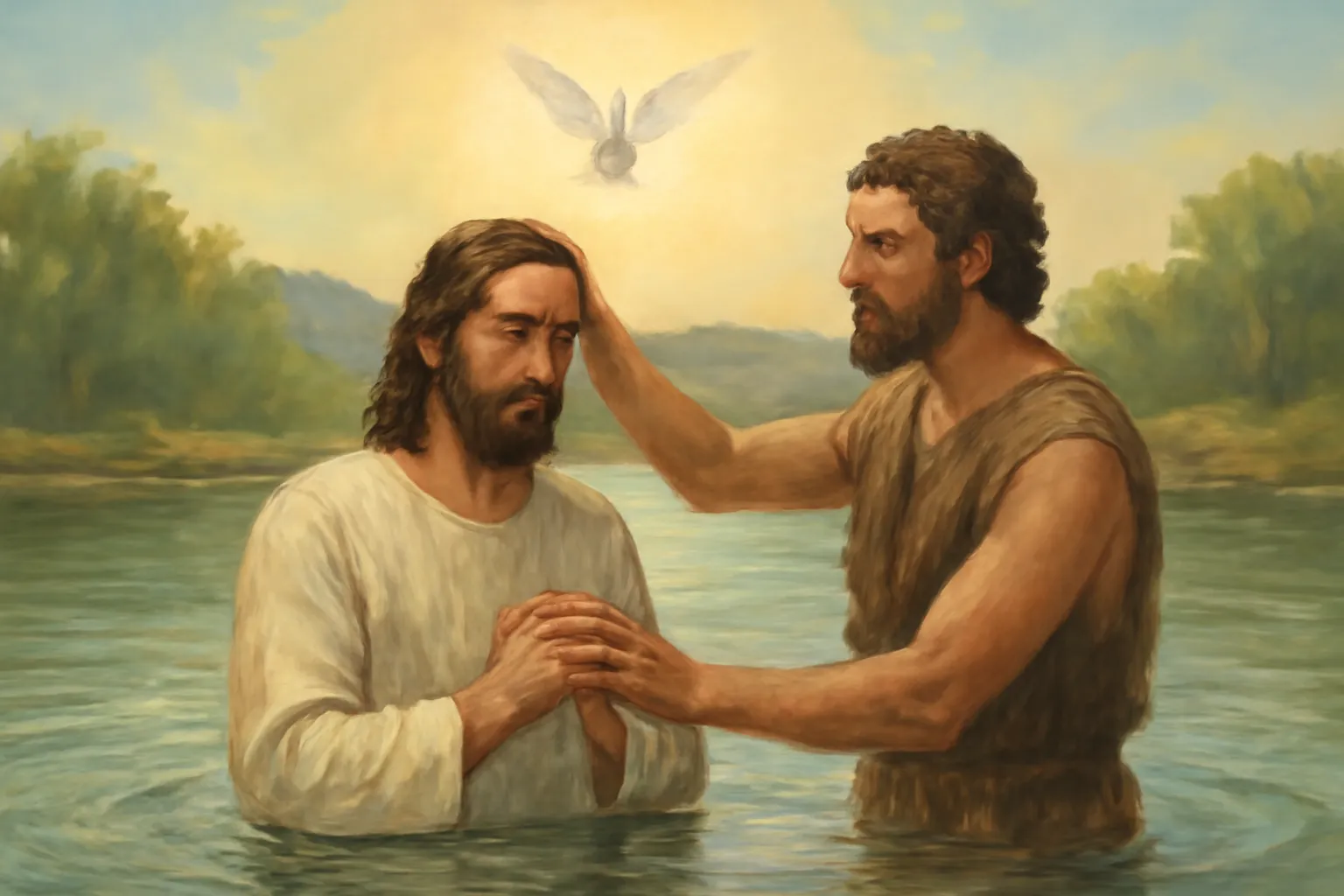
Immersion (full submersion in water), often associated with early church practice and seen by many as the most faithful sign of burial with Christ and rising to new life.
Pouring or sprinkling (pouring or sprinkling water on the candidate’s head), which is favored in traditions that emphasize the symbolism of cleansing and the Spirit’s work apart from a specific mode of water contact.
Adult baptism versus infant baptism (the latter is a longstanding pattern in traditions that emphasize household faith, covenantal inclusion, and the ongoing catechetical process for confirmation of faith).
Each practice aims to honor the same fundamental truth: the believer publicly professes trust in
Christ, and God grants the grace signified by the act. The baptismal sign is
not a mere formality; it points to a spiritual transformation that God initiates and completes
within the life of the believer.
Infant Baptism and the Covenant Horizon
Some Christian communities practice infant baptism as the entry into the covenant people of God,
with the expectation that the child will grow into faith. In these contexts, baptism into Christ or the covenantal sign also carries a pedagogy of
nurture—parents and the church commit to guiding the child toward a personal trust in Christ.
Critics and supporters discuss whether infant baptism guarantees faith or simply marks a
hopeful beginning of a lifelong journey with Jesus.
Believer’s Baptism and the Reformation Inheritance
Other traditions stress that baptism should follow a conscious decision to trust Christ. This
emphasis on faith precedes baptism leads to broad support for believer’s baptism by immersion. In these communities, the act is understood as
a deliberate identification with Christ’s death and resurrection, enacted at the moment a person
confesses faith.
What Happens in and Through Baptism Into Christ
To understand baptism into Christ, it helps to think of it in terms of both a
divine action and a human response. The beauty of this moment is that God does something
mystical and substantive in the life of the believer, while the individual responds with
faith, repentance, and obedience.
Dimensions of Transformation
Union with Christ: The believer is brought into a living union with Jesus through the Holy Spirit. This means being counted righteous in him, sharing in his life, and being enlisted into his mission in the world.
Death to sin, life to righteousness: The language of burial and resurrection gives a concrete sense that the old way of living gives way to a new pattern of life empowered by grace.
Forgiveness and cleansing: The act symbolizes the washing away of guilt and the setting apart for a holy purpose.
Incorporation into the Body: Baptism into Christ creates a bond with the Church—the community of believers who share a common confession and covenant.
Personal and Corporate Impacts
On a personal level, baptism into Christ inaugurates a new identity—no longer
defined by the old self but defined by belonging to Jesus. On a corporate level, baptism marks
entrance into a community that sustains faith through teaching, fellowship, breaking of bread,
and mutual care. The symbolism of baptism functions as both a personal pledge and a public
declaration that the believer now lives under Christ’s lordship.
What It Is Not
It is worth noting what baptism into Christ is not. It is not magic, nor is it a mere
ceremonial action that earns favor with God through human merit. It is an outward sign of an
inward reality—the inward conversion that God alone can effect by his Spirit. Therefore, the
value of the act lies in its fidelity to Christ, its alignment with Scripture, and its
integration into a life of ongoing faith and obedience.
Steps to Experience Baptism Into Christ: A Practical Guide
If you are seeking to understand how to experience this form of baptism, here is a practical
guide that centers on faith, repentance, and a faithful response to God’s grace.
Step 1: Hear and Believe the Gospel
The journey begins with hearing the message about who Jesus is, what he accomplished on the
cross, and what his resurrection means for humanity. The biblical picture of baptism into Christ assumes that the recipient has encountered the good
news and has placed their trust in Jesus as Savior and Lord. It is faith that makes the act
meaningful, not merely the physical action.
Step 2: Repent and Confess
Repentance involves turning away from old patterns of sin and giving wholehearted allegiance to
Christ. Confessing faith with the mouth publicly acknowledges that Jesus is Lord and that the
believer now seeks to live under his lordship. In many traditions this confession precedes the act
of baptism, while in others it is integrated with the baptismal reception itself.
Step 3: Choose a Mode and Community
Different Christian communities have distinct practices for administering the rite. If you are
part of a local church, you will receive teaching about the specific form of baptism they
practice—whether immersion, pouring, or sprinkling.
It is also important to engage with the community that will accompany you in the journey of
faith, as baptism into Christ happens most fully within the fellowship of believers who will
nurture your growth.
Step 4: Participate in the Baptismal Act
When you participate in the baptismal rite, you are stepping into a powerful symbolic action and
a real grace. The exact words and acclamations may vary by tradition, but the spiritual
significance remains: you are being joined to Christ and welcomed into the life of the
church. This step is not the end of your journey but the turning point that marks the start of a
new life lived in Christ.
Step 5: Begin a Life of Discipleship
After baptism into Christ, the daily life of a believer is shaped by ongoing faith, prayer, study
of Scripture, participation in the church’s mission, and acts of love and service. A robust
approach to discipleship helps to sustain the reality that you have entered into through the rite.
The baptismal identity should translate into practical obedience, perseverance in faith, and a
growing dependence on the Holy Spirit.
Living Out the Identity Forever: After the Rite
Baptism into Christ is the doorway into a lifelong journey of faith. The sign of baptism is meant
to become a sustained reality—a life marked by virtue, hope, and a steadfast commitment to
Jesus. Here are some guiding themes for living out this identity in everyday life.
Walk in newness of life: The believer is called to live in light of the resurrection,
putting to death old patterns and cultivating new habits that reflect Christ’s rule.
Stay rooted in Scripture and prayer: Regular study of the Bible and intimate
conversation with God through prayer deepen the experience of baptism and strengthen faith.
Join the fellowship: The church acts as a family that nurtures, teaches, and
holds one another accountable in love. Baptism into Christ is a communal event as much as
it is a personal confession.
Participate in the mission: The identity gained in baptism is oriented toward
service—sharing the gospel, serving the vulnerable, and living as witnesses to Christ in daily life.
Embrace the Spirit’s fullness: The Holy Spirit is the energizing force that makes
the baptized life possible. Ongoing reliance on the Spirit helps a believer grow in maturity and
fruitfulness.
It is important to recognize that the experience of baptism into Christ is not a single moment
that exhausts the Christian life; rather, it is a starting point for a continuing journey of
transformation. The Spirit’s work after baptism often reveals itself through growth in
character, steadfast faith in trials, and infectious joy in the life of the church.
Frequently Asked Questions About Baptism Into Christ
Is baptism into Christ required for salvation?
Responses vary among traditions. Many hold that baptism is a crucial sign of grace that both
signifies faith and marks the believer as part of the people of God. Others emphasize that faith
alone saves, with baptism as an outward sign of that faith. Most would agree that genuine faith
and repentance are the essential prerequisites, and that baptism is the appropriate response to
God’s saving work.
Can someone be baptized into Christ if they have not been baptized in water?
This question depends on the theological framework of the tradition. Some churches view water
baptism as essential to the rite of initiation, while others understand baptism into Christ
as a spiritual reality that can precede, accompany, or follow the physical act. In every case,
the aim is to be united with Christ and integrated into the life of the church.
What is the relationship between baptism and the Holy Spirit?
The Holy Spirit is the agent who applies the benefits of Christ’s work to the believer. In many
Christian traditions, baptism is closely linked to reception of the Holy Spirit, though some
streams differentiate between the Spirit’s work in salvation and the public sign of baptism.
The underlying truth is that Christ pours out the Spirit to empower believers for a life of
faith and service.
What should I expect during a baptism service?
Expect a moment of prayer, a public confession or declaration of faith, and the outward sign
of baptism (water immersion, pouring, or sprinkling). The service often includes a short
exhortation, scripture readings, and a time for the gathered community to witness and support
the new member of the body of Christ.
How does infant baptism relate to baptism into Christ?
In traditions that practice infant baptism, the rite typically signals entry into the covenant
community and the child’s ongoing catechesis toward a personal faith in Christ. The later
decision to publicly profess faith and be baptized as an adult or older child is sometimes
called a confirmation or believer’s baptism, depending on tradition. The central idea remains
that baptism points toward Christ, his grace, and a life committed to him.
Conclusion: The Journey of Baptism Into Christ
Baptism into Christ stands at the crossroads of grace and response. It is not
merely a historic ritual or a cultural tradition; it is a living confession that a person has
been united to Jesus by faith and invited into the life of the gospel. The act
embodies the core Christian claims: that Jesus died for sins, that he was raised from the dead, and
that those who are joined to him participate in his victory and mission.
Whether you hear it described as baptism into Jesus, baptism into the
Lord, or baptism into the Messiah, the essential purpose remains the same:
to declare and receive the grace that comes through Christ. The practice invites believers into a
daily life of discipleship in which faith is not a one-time decision but a continual obedience
guided by the Spirit, sustained by Scripture, and nourished by the fellowship of the church.
If you are exploring this path, seek out a church community that can teach you the gospel,
walk with you through repentance and faith, and celebrate with you as you enter into the sign of
the covenant—the baptism into Christ. May your journey be marked by a growing understanding of what
it means to be in Christ, to live by the Spirit, and to serve God in truth and love.

 Por Laura Jara