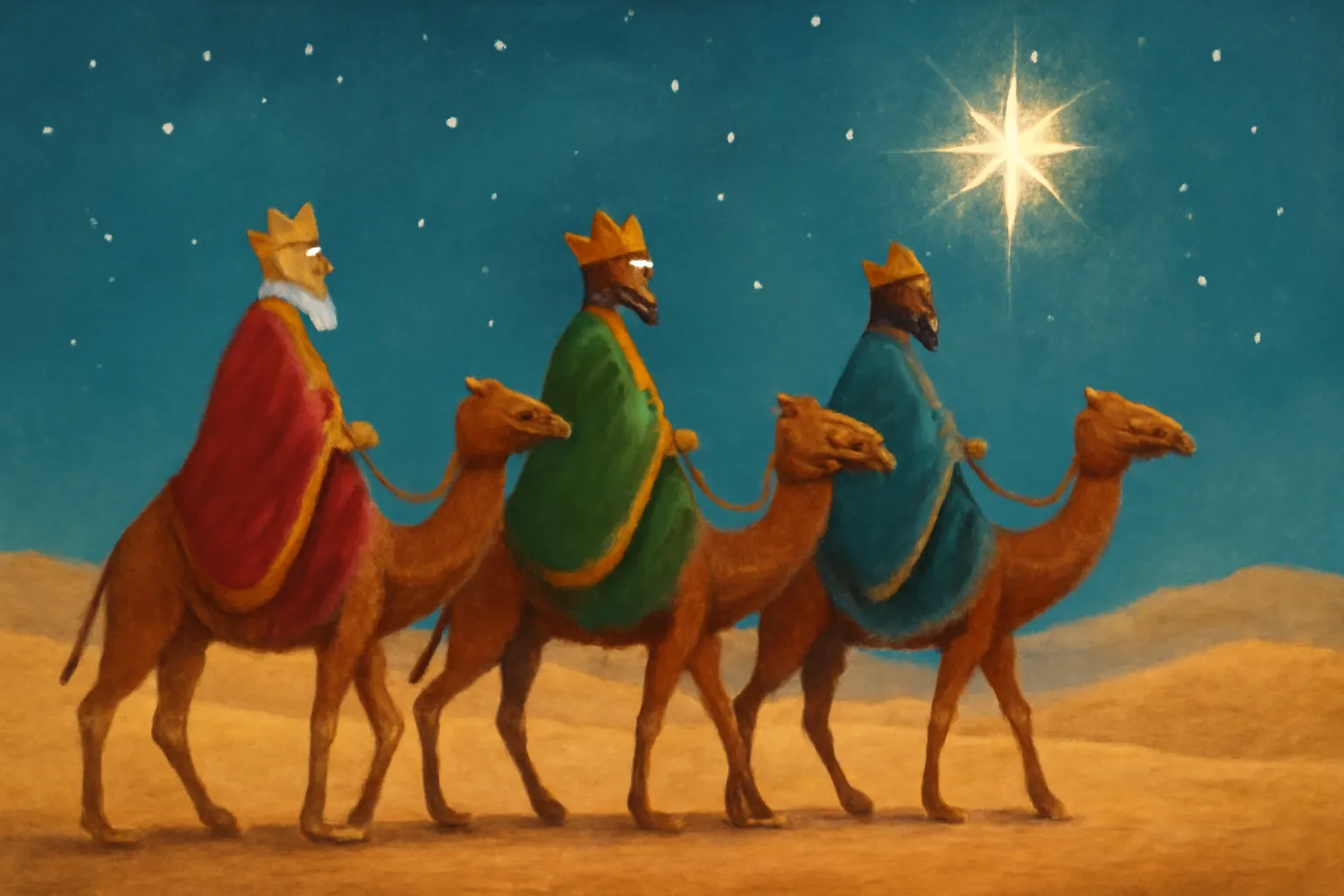
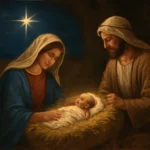
The image of the Three Wise Men on camels traversing a desert night toward a newborn in a humble manger has shaped a large portion of Christmas imagery and Christian storytelling for centuries. From the biblical text to medieval art, from poetic carols to modern films, the figure commonly described as the Magi or Three Kings has become a potent emblem of revelation, journey, and intercultural encounter. This long-form article explores the history of the motif, its rich symbolism, and the many ways it features in contemporary Christmas traditions around the world. By examining variations of the phrase three wise men on camels and related expressions, we can appreciate how this compact trope carries a broad semantic load: pilgrimage, gifts, wisdom, and the beginning of a new era.
The story of the Magi begins in a region far to the east of Bethlehem, in the tradition often described as the East or lands of ancient Mesopotamia and Persia. In Christian scripture, the Gospel of Matthew states that after the birth of Jesus, individuals described as magi arrived, guided by a mysterious celestial sign, to honor the child with gifts. Over time, the narrative settled into a recognizably tripartite caravan motif: three travelers, each bearing a symbolic offering, visiting the newborn in a humble setting.
The phrase Three Wise Men on Camels is in many ways a crystallization of a more fluid ancient memory. Early Christian writers did not always specify the number of Magi, nor their precise origins. It is only in later centuries that the number three became common in dramatic representations, hymns, and feast-day calendars. In this broader arc, the idea of three travelers is tied to the three gifts—gold, frankincense, and myrrh—though the biblical text itself does not mandate that exact association. The camel imagery, too, grows stronger as artists and storytellers sought to convey long desert journeys, arduous weather, and the endurance required to reach a distant city during a perilous season.
Origins in the Biblical Text
The canonical source for the Magi’s visit to the infant Jesus is the New Testament, specifically the Gospels—with the account appearing in the Gospel of Matthew (chapter 2). The text mentions men from the East who come to Jerusalem asking, “Where is the king of the Jews who has been born?” Their arrival is framed by a miraculous star, an astronomical sign that leads them to Bethlehem. The passage emphasizes the discovery of the child, the homage paid by these visitors, and the gifts they present. Yet the text is sparse on detail: it does not name the Magi, does not say how many there were, nor does it describe their paths. Those specifics emerge later through tradition, legend, and liturgical practice.
In early Christian communities, the account was interpreted theologically as a sign of universal recognition of Christ by the nations beyond Israel. The Magi’s role came to symbolize the revelation of God’s plan to the whole world, a theme that resonates with the broader Christmas narrative of light entering darkness and nations turning toward a new dawn. Over centuries, the Magi were endowed with a name and a backstory, and their journey became a template for understanding the faith’s expansion and the bridging of cultures.
Development through the Ages
During medieval Europe, the Magi transformed from figureheads of a simple biblical moment into enduring symbols of knowledge, wealth, and spiritual seeking. Artists, poets, and playwrights imagined the travelers as scientists, sages, or kings in exile—figures who crossed deserts under a sacred sign to pay tribute to the infant Jesus. The camels themselves became emblematic of travel through harsh climates, reminding viewers of the arduous steps taken to discover sacred truth.
The number of Wise Men also evolved with time. While the biblical text never fixes the count, popular culture eventually standardized the trio as three individuals. This choice may reflect the three gifts, but it also provided a simple, memorable narrative arc for art, music, theater, and holiday pageants. In art from different periods, the Magi appear as three figures of varied complexion, dress, or provenance, underscoring the universality of the event and its message: salvation comes to all peoples.
Across civilizations, the Magi accumulate distinct identities. Some traditions name them Caspar, Balthazar, and Melchior, though these names do not appear in the biblical text itself. In other languages and cultures, they may be called magi, savants, kings, or wise men. The term Kings Day or Epiphany is used in many Christian communities to refer to a day on which the Magi’s visit is celebrated, distinct from Christmas Day. Such regional variations influence how people think about the old trio and the camels that carried them.
The iconography of the Magi has been particularly fertile in the Mediterranean and European artistic traditions. In some Renaissance depictions, the Magi are shown as noble travelers of different ethnicities, each bearing a precious gift. In other traditions, the Magi are accompanied by attendants or by an entire caravan, including merchants and guides. The camel, as the principal animal of the journey, is not simply a means of transport; it is a symbolic vehicle of endurance, faith, and the capacity to persevere toward a future revelation.
Symbolism of the Magi on Camels
The motif of three wise men on camels is a dense field of symbols that scholars, theologians, and artists have explored for generations. Camels, gifts, stars, and the birthing setting together create a complex web of meanings that reach beyond a single narrative moment.
Camels as Symbols of Endurance and Desert Wisdom
The camel is a conspicuous feature of many nativity scenes and Christmas pageants because it embodies endurance, resilience, and the ability to traverse challenging climates. In desert ecology, camels are known for their capacity to travel long distances with modest water requirements, crossing sands that would stop other animals. Metaphorically, this quality translates into spiritual themes: a long, often difficult journey toward a divine encounter, patient perseverance in faith, and the travel from ignorance to knowledge.
In Christian art, the camel also signals a departure from ordinary life toward a moment of awe. The animal’s calm, dignified bearing contrasts with the star-filled sky and the humble setting of the manger, highlighting the tension between worldly power and sacred revelation. This juxtaposition invites viewers to consider the value of humble beginnings and the possibility that wisdom may come from distant lands and unlikely travelers.
Gifts and Their Meanings
The trio of gifts carried by the Magi—gold, frankincense, and myrrh—are often treated as a compact code for the meaning of the Nativity event. Each gift carries theological symbolism that has been elaborated in different Christian traditions.
Gold: A symbol of kingship and wealth; it acknowledges Jesus as a ruler and as someone worthy of honor.
Frankincense: A resin used in incense in worship; it points to divinity, prayer, and the sacred presence in heaven.
Myrrh: A resin associated with anointing and, in later tradition, with suffering and death; it prefigures Jesus’ mortal mission and the human dimension of the story.
Over time, theologians have explored alternate readings of the gifts. Some see gold as a recognition of Jesus as a king who will exercise rightful authority; frankincense as an invitation to prayer and divine worship; and myrrh as foreshadowing the suffering Jesus would undergo. In other contexts, the gifts are read as a meditation on the resources the world brings to encounters with the sacred: wealth and commerce (gold), liturgical life (frankincense), and human mortality (myrrh). The gifts thereby frame a spiritual economy around the infant in the manger, one that has engaged believers for centuries.
The guiding star is a central symbol in the Magi story. It has served as a bridge between astronomy, astrology, and theology in many traditions. The star is not merely a navigational aid; it represents revelation, guidance, and the possibility of light appearing in darkness. For many, the star’s trajectory mirrors the human search for truth and the moment when mystery becomes known. The journey—often depicted as a caravan across deserts—speaks to dedication, faith, and the willingness to risk danger for a significant spiritual discovery.
The destination—Bethlehem, the birthplace of Jesus—symbolizes a portal through which the divine enters human history. The Magi’s arrival underscores the idea that the sacred is not confined to a single community or place but is accessible to all peoples who seek truth, justice, and peace. In art and liturgy, the camels and the travelers together create a narrative of crossing thresholds—from exile or distant lands to the intimate scene of a manger and a newborn child.
The story of the Magi has become deeply interwoven with Christmas traditions in many Christian communities around the world. National and regional practices reflect a diverse pattern of reverence, celebration, and communal storytelling. The motif of the Three Wise Men on Camels occupies a prominent place in nativity scenes, religious music, and seasonal customs that mark the end of Advent and the feast of Epiphany.
Liturgical and Cultural Practices
Across Christian liturgical calendars, Epiphany is a feast that celebrates the revelation of Christ to the nations represented by the Magi. In some traditions, Epiphany is the principal day for the Magi to be honored; in others, Christmas Day remains the central celebration, with Epiphany following shortly after. The timing and emphasis vary by denomination, geography, and local custom, but the core idea remains: the revelation of Jesus is not confined to one people but is a universal invitation.
In many Christian households, nativity scenes (also called creches or crèches) set up a living tableau that features the Magi on their camels approaching the infant Jesus. These scenes often include a shepherd, animals, and sometimes the Holy Family, forming a microcosm of the world’s people encountering the sacred. The Magi’s arrival is a moment of recognition—an acknowledgment that the divine has entered the world in a tangible form.
Global Traditions and Celebrations
The modern world has transformed the Magi narrative into a cultural touchstone beyond strictly religious contexts. Here are some representative practices that echo the long arc of the Three Wise Men on Camels motif:
Spain and Latin America: The celebration of Dia de los Reyes (Three Kings’ Day) on January 6 is marked by processions known as Cabalgatas, where actors dressed as the Magi ride on horseback or in caravans of camels, distributing sweets and small gifts to children. In many households, gift-giving magic follows Epiphany rather than Christmas Eve, creating a second holiday season centered on the Magi’s journey.
Italy: Epiphany is a major holiday in many regions, with parades and community events and, in some places, the symbolic arrival of the Magi as part of the Christmas tradition. The Magi’s journey through the city streets evokes themes of welcome and universal peace.
Greece and Eastern Europe: The Epiphany feast is a key annual event, often celebrated with liturgical processions and the blessing of waters. The Magi’s visit can serve as a bridge between ancient folklore and Christian worship, highlighting the regional emphasis on the star’s guidance and divine revelation.
United States and the Anglophone world: Nativity displays commonly include the Magi as part of the broader scene, and carols like “We Three Kings” have become enduring seasonal staples. While secular celebrations may not emphasize the theological details, the Magi still symbolize a global, historical reach of Christmas messages.
Beyond formal church rituals, many communities incorporate the Magi into school plays, city festivals, and charity drives. The theme of a journey toward a holy moment can be adapted to emphasize empathy, generosity, and cross-cultural friendship. The imagery of three travelers on camels, guided by a bright star, remains a versatile metaphor for exploration, learning, and the encounter between different traditions.
Art, Music, and Popular Culture
The enduring appeal of the Three Wise Men on Camels can be seen in art, literature, and film. Visual artists often depict the Magi with distinctive dress and artifacts from their presumed homelands, underscoring their status as travelers from distant lands. In music, carols such as We Three Kings weave the gifts and the journey into a melodic meditation on the season. In modern cinema and theater, the Magi provide a narrative backbone for plots about faith, tolerance, and the wonder of discovery.
The symbolism also extends to contemporary pedagogy. In classrooms and museums, the Magi’s journey is used as a lens to discuss topics such as geography, history, and intercultural exchange. The idea that wisdom can arrive from unforeseen places remains a helpful reminder of the value of curiosity, humility, and hospitality during the holiday season.
To bring coherence to a topic that spans centuries and many cultures, here are brief answers to common questions about the Magi and their camels:
Did the Bible say there were exactly three Magi? No. The biblical text describes visitors who bring three gifts, which led to the traditional association with the number three, but the number of Magi is not specified in the canonical account.
Why are camels associated with the Magi? Camels symbolize endurance, desert travel, and the transition from one world to another. They also create visually striking scenes in artistic representations that emphasize a long and transformative journey.
Are the Magi considered saints? In many Christian traditions, yes. The Magi are venerated in some places as saints or as venerated travelers who exemplify faith, curiosity, and the worship of the infant Jesus.
What is Epiphany? Epiphany is a feast day that celebrates the revelation of Christ to the Gentiles and the broader world, often associated with the Magi’s visit. The date and emphasis vary by tradition, but it commonly occurs on January 6.
Framing the Narrative: Why the Three Wise Men on Camels Endure
The enduring appeal of the Three Wise Men on Camels lies in its layered meaning. It is not only a historical or geographical tale; it is a mythic framework that allows people to discuss universal themes in concrete, tangible ways. Some of the most enduring themes include:
Journey and Discovery—The travel of the Magi is a narrative about the pursuit of truth, even when the destination is uncertain.
Cross-Cultural Encounter—The Magi, often imagined as coming from distant lands, symbolize the meeting of civilizations and the opening of a shared space of wonder.
Gifts as Metaphors—Gold, frankincense, and myrrh function as a compact code for wealth, worship, and mortality, inviting reflection on what we offer and what we receive in life’s crucial moments.
Hope Born in Humility—The humble setting of the manger contrasts with the travelers’ noble bearing, highlighting the paradox that greatness can emerge from modest origins.
For readers and viewers seeking to understand Christmas as a living tradition, the Magi on their camels offer a flexible symbol set that can be adapted to local celebrations while remaining rooted in a shared narrative. The usefulness of this motif is not limited to religious instruction; it has become a cultural emblem that invites people to pause, reflect, and participate in a communal moment of awe.
Conclusion: The Timeless Journey of the Magi and the Camels
In tracing the history of the Magi on camels, we encounter a narrative that has survived political upheavals, doctrinal debates, and shifting tastes in art and liturgy. The three wise men represent more than a single Christmas scene; they symbolize a human aspiration to seek truth across borders, to honor the sacred in diverse ways, and to recognize the divine present in unexpected places. The camel, far from being merely a stage prop, embodies the virtues of endurance, practicality, and the discipline required for any serious quest.
As Christmas continues to be celebrated in countless ways around the world, the story of the Magi—whether told as Three Kings, Three Wise Men, or simply Magi on camels—remains a living, evolving legend. It invites people to reflect on what they bring to a moment of encounter, what they learn from others who travel far from home, and how a bright star can illuminate a shared path toward peace, justice, and compassion.
In the end, the image of three travellers on camels approaching a humble child is more than a seasonal illustration. It is a compact allegory for curiosity, hospitality, and reverence—a reminder that the quest for understanding is a journey that requires courage, humility, and a generous spirit. Whether encountered in a church, a classroom, a painting, or a song, the motif persists because it speaks to something fundamental about the human longing to discover the divine in the ordinary world.

 Por Laura Jara