Advent Candle Set: A Complete Guide to Choosing and Using Candles
The Advent season invites anticipation, reflection, and light. A thoughtfully chosen Advent candle set can become a cherished annual ritual, guiding family evenings, quiet study, and festive gatherings. In this guide, you will discover what an Advent candle set is, the symbolism behind it, the different formats you might encounter, and practical advice for selecting, using, and caring for these candles. Whether you are buying your first advent candles set or you’re looking to deepen an established tradition, this article will help you make informed choices and create a meaningful experience around the lighting of candles during the weeks leading up to Christmas.
Throughout this article you will see variations of the term advent candle set to reflect the broad family of products used to mark the season: Advent candles, set of Advent candles, Advent wreath candles, and candles for Advent. Each phrase points to a related concept, but the essence remains the same: a curated collection of candles designed for a specific liturgical or cultural practice in late autumn and early winter.
What Is an Advent Candle Set?
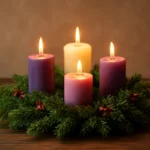
An Advent candle set is a collection of candles designed for the period of Advent, typically arranged on a wreath or in a tray that holds multiple candles. The most common format features four candles of a particular color associated with Advent, plus a central candle in some traditions known as the Christ candle or center candle. This arrangement is often used during Sunday services, family devotionals, and personal rituals at home. The set may be purchased ready-made or assembled by the purchaser with individual candles and a wreath or dish.
In many households, the Advent candles are part of a broader ritual that includes prayers, readings, and seasonal music. The regular lighting—usually once a week on Sundays and sometimes on additional days—provides a tangible countdown to Christmas and a moment to pause amid the bustle of the season. The set of Advent candles you choose can reflect your aesthetic preferences—classic, minimalist, rustic, or decorative—while still honoring the symbolic rhythm of the season.
Common components you might encounter
Candles in a wreath or on a tray, often arranged in a circular or oval pattern
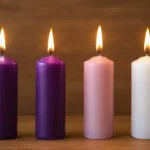
Four purple candles (sometimes with a pink candle for Gaudete Sunday)
One white Christ candle added in some traditions
Wreath base made of evergreen, vine, or metal with a heat-resistant surface
Safety elements such as a glass hurricane, a tray, or a drip catcher
While four candles are typical, you may also come across smaller tabletop Advent candle sets with three or five candles, or larger arrangements intended for church altars. The underlying idea is consistent: a structured, meaningful progression toward Christmas with light as a central symbol.
The tradition of lighting candles during Advent has deep historic roots in Christian practice, but the broader concept of marking time with candles crosses many cultures. The Advent wreath, from which the Advent candle set commonly derives, is a circle of evergreen branches that represents eternal life. The circular shape has no beginning or end, echoing the promise of salvation in Christian theology.
In traditional Western liturgical practice, colors convey specific meanings. The most common palette for a standard Advent candle set includes purple (violet) as a sign of penance and preparation, and pink (rose) on Gaudete Sunday, which is the third Sunday of Advent and a moment of joyful anticipation. A white Christ candle, used in many homes and churches, carries the same symbol of light and Christ’s presence but is not always part of every Advent candle set.
How color conveys meaning
Purple or violet: Expectation, preparation, penitence
Pink or rose: Joy, rejoicing on Gaudete Sunday
White: Christ, purity, light (often the Christ candle in some designs)
Green (in some wreaths): Life and renewal, especially when evergreen branches are used
Historically, Advent candles were not standardized, and families adapted color schemes and numbers to fit their worship and home life. In modern practice, most commercial Advent candles sets adhere to a recognizable convention, but there is no universal rule. The most important aspect remains the emphasis on waiting, preparation, and the hopeful light that Advent candles symbolize as Christmas approaches.
Formats and Varieties: How Advent Candle Sets Differ
There isn’t a single “one size fits all” Advent candle set. Variations reflect regional traditions, personal preference, and the intended environment—whether a compact apartment table, a traditional parish sanctuary, or a family hearth. Here are the principal formats you are likely to encounter.
Traditional wreath with four candles
The classic arrangement features a circular wreath with evergreen foliage and four candles. Each week a candle is lit, and the circles of light expand as Christmas nears. In many versions, the colors can be purple, pink for the Sundays, with a white Christ candle in the center on Christmas Eve or Christmas Day.
For smaller spaces or secular households, Advent candles may be arranged in a decorative dish or tray on a flat surface. The function is the same—counting down the weeks and inviting a moment of quiet reflection—without the need for a formal wreath.
Pre-lit, decorative sets
Some Advent candle sets use battery-operated or LED candles for safety and convenience. These are especially popular in homes with children or pets, or in environments where open flame is discouraged. A pre-lit arrangement can be both safe and visually striking while preserving the symbolic countdown.
Individual candles and loose components
In some cases, you may purchase advent candles separately and assemble your own arrangement, using a wreath base or a prepared tray. This approach offers maximum customization for color, size, and scent, and is ideal for crafters who want a personalized ritual.
Fragrance and texture variations
While many people choose unscented candles to avoid competing with seasonal aromas, there is a growing selection of scented options. Scented Advent candles can introduce notes like cinnamon, pine, clove, or citrus. If you opt for fragrance, consider whether you or your family members have sensitivities or allergies, especially for a space where people gather for extended periods.
Different materials and burn characteristics
Wax choice influences burn time, scent throw (if you choose scented candles), and ash or soot production. Common materials include beeswax, soy, and paraffin. Beeswax tends to burn longer and with a cleaner glow, while soy is a renewable option with good fragrance diffusion when used with essential oils or safe synthetic scents. Paraffin is inexpensive and widely available but can burn hotter and may produce more soot in certain conditions.
Choosing the Right Advent Candle Set for Your Home
Selecting the ideal Advent candle set involves balancing aesthetics, symbolism, and practical considerations. Here are essential factors to weigh as you shop or assemble your own set.
1) Size and scale
Consider the available space and the size of your table or mantle. A compact tabletop arrangement might use three to five candles in a shallow dish, while a full wreath could require a larger footprint. Measure the surface area and choose a base that supports stability and safety.
2) Color palette
Decide whether you prefer the traditional purple and pink hues, or you want a more modern or color-coordinated approach. Some households opt for a purely decorative color scheme (e.g., gold, white, or metallic tones) while still maintaining the liturgical symbolism in the lighting schedule.
3) Candle type and burn time
Understand the burn times listed by the manufacturer. A longer burn time means fewer replacements and less maintenance during the Advent season. If you plan to light candles weekly for several hours, you’ll want a reliable, steady burn and a wick that preserves the clean look of the flame.
4) Scent sensitivity
Separate fragrance from function. If you or your household members have sensitivities, choose unscented Advent candles or those with very mild scent options. If you enjoy aroma, select scents that are comforting and not overpowering in a living room or bedroom.
5) Material preferences
Decide between beeswax, soy, or paraffin based on your priorities—eco-friendliness, burn duration, and environmental considerations. Beeswax has natural warmth and a subtle sweetness; soy is widely available and can be clean-burning; paraffin is cost-effective and versatile but may involve non-renewable sources unless it’s recycled or responsibly sourced.
6) Safety and stability
Stability is critical for any arrangement. Look for a base that holds the candles securely and provides a heat-resistant surface. Check that the candles fit snugly in their holders and that there is no risk of tipping. For households with small children or pets, consider LED options or a high-quality glass hurricane to reduce the risk of accidental contact with flame.
Wax Types, Burn Times, and Safety Considerations
Understanding the practical aspects of your Advent candle set helps you enjoy the ritual safely and with confidence. Here are some essentials to keep in mind.
Wax types and their 특징
Beeswax: Naturally clean-burning, long burn time, warm glow, more expensive but durable.
Soy: Renewable, good scent throw when paired with proper wax blends, typically burns evenly and slower than paraffin.
Paraffin: Affordable and versatile, but sourced from non-renewable resources; can produce more soot if not properly wick-trimmed.
Burn time and maintenance
Check the burn time indicated by the manufacturer to plan the lighting schedule for each Sunday or occasion.
Trimming the wick to about 1/4 inch before every lighting reduces soot and ensures a cleaner flame.
Avoid drafty spots; keep candles away from vents and open windows to prevent uneven burning or wax wick clogging.
Keep the wax pool free of debris and never let the flame come too close to the base or holders that could melt or distort.
Safety guidelines
Place Advent candles on a stable, heat-resistant surface; use a non-flammable tray or plate beneath.
Never leave burning candles unattended and keep them out of reach of children and pets.
Use candle holders designed for the size and shape of your candles to prevent tipping or cracking.
Keep flammable materials away from flames—drapes, paper, garlands, and fabrics should be at a safe distance.
While you will see variations in color depending on locale and preference, the following symbolism is widely recognized in many Western Christian traditions. Understanding these associations can deepen your practice and help you select a set that resonates with your family.
Purple (or violet): Expectation, preparation, and penitence as the season begins
Pink (rose): Joy and rejoicing on Gaudete Sunday, the mid-advent respite
White (Christ candle): Light, purity, and the presence of Christ; lit in many homes on Christmas Eve or Christmas Day
Green (optional): Life and renewal, particularly when a wreath base uses evergreen foliage
If you choose a colorful Advent candle set with a non-traditional palette, you can still honor these symbolic meanings by aligning the lighting schedule with Sunday themes and family reflections. The key is to create moments of pause that reinforce the sense of anticipation that Advent brings.
Lighting and Rituals: How to Use Your Advent Candle Set
The ritual of lighting Advent candles can be simple or elaborately designed, depending on your family’s preferences. The essential elements are consistency, reflection, and a sense of progression toward Christmas. Here are practical steps and ideas to make the most of your Advent candle set.
Place all candles in their holders on a stable surface and ensure the area is clear of flammable objects.
Light only one candle during the first Sunday of Advent. If you have a Christ candle in the center, do not light it until Christmas Eve or Christmas Day according to your tradition.
Each subsequent Sunday, light the next candle in the sequence. If your wreath uses purple, purple, purple, pink, you would light the purple candles first, then add the pink candle on Gaudete Sunday.
Observe a moment of prayer or reflection after lighting, perhaps reading a short passage or sharing a family blessing.
Extinguish carefully if you are lighting additional candles later in the day, or let the flame burn out if you are keeping the candle burning for a respectful period.
Ways to enrich the experience
Pair the lighting with a devotional reading or a short prayer time that reflects themes of hope, peace, joy, and love.
Include a simple activity, such as listening to a seasonal hymn or sharing something you are grateful for each week.
Use a timer or a designated half-hour window when the lights are kept on, helping to create a dedicated moment in the day.
Document your journey: take a photo or write a short note about your reflections to revisit later in the season.
Safe display tips
Place the arrangement away from children’s and pets’ reach, and avoid placing candles in high-traffic zones.
Consider using a clear glass hurricane or protective cover for extra safety on busy evenings.
Maintain a clean area around the candles; do not leave decorative items that could tip or catch fire near open flames.
DIY Advent Candle Set: Personalizing Your Holiday Ritual
Creating a personalized Advent candle set can be a satisfying project that adds a tactile dimension to your seasonal practice. Here are some ideas to customize your arrangement while preserving the traditional cadence of lighting candles.
DIY wreath options
Use a wire base and fresh or preserved evergreen branches, adding a protective glaze or spray to preserve the garland for several weeks.
Attach candle holders securely with hot glue or a stable adhesive compatible with the wreath materials.
Choose a color scheme that matches your decor or symbolic preferences, and add small decorative elements such as dried citrus slices, pinecones, or berries for a personal touch.
Tabletop sets and trays
Arrange four candles in a shallow tray filled with decorative sand, glass stones, or salt for both aesthetics and stability.
Add a central Christ candle if your tradition incorporates it, or place a single larger candle in the middle to symbolize light entering the world.
Incorporate a small notecard with a weekly reflection or a family activity related to the week’s theme.
Fragrance considerations for a DIY setup
If you opt for scented candles, choose light, seasonally appropriate fragrances that won’t overwhelm the room.
For a fragrance-free option, specify unscented candles or use natural essential oil infusions in a separate diffuser away from the candles.
Safety-first approach to DIY
Ensure all components are designed to be heat-safe and suited to candle use; avoid attaching candles directly to flammable surfaces.
Test the stability of your arrangement before lighting and periodically check to prevent wobbles or tipping.
Choose LED or battery-operated substitutes for high-traffic areas or spaces where open flame is discouraged.
Where to Buy and How to Budget for an Advent Candle Set
Whether you are shopping in-store or online, there are several routes to obtain an Advent candle set that meets your needs. Price points vary depending on materials, number of candles, craftsmanship, and whether the set includes a wreath or a decorative base.
Budget-friendly options
Inexpensive Advent candles and pre-made sets can offer a simple, elegant look without a large investment. Look for basic unscented paraffin or soy-based candles, a small wreath or tray, and a straightforward color scheme. These sets are a practical introduction to Advent rituals and can be upgraded later.
Higher-quality Advent candle sets may feature beeswax candles, longer burn times, and more durable holders or a real evergreen wreath. Some premium kits include a protective glass hurricane, a metal or wooden base, and a detailed guide or devotional booklet to accompany the lighting schedule.
Where to look
Religious goods stores and church supply houses often carry traditional wreaths, candle bundles, and Christ candles compatible with Advent usage.
Artisan markets and craft shops may offer handmade wreath bases and customized Advent wreath candles.
Big-box retailers and online marketplaces provide a wide range of options, from budget sets to boutique designs; read reviews for burn quality and safety.
What to check before purchase
Wood, metal, or glass components: ensure the base is stable and heat-resistant.
Wick type and burn time: longer wicks can produce a hotter flame; short wicks can cause tunneling in the wax.
Care instructions: some sets require trimming or specific placement to maximize safety and aesthetic impact.
Caring for and Extending the Life of Your Advent Candles
Proper care helps your Advent candle set last longer and provide consistent light throughout the season. Here are practical maintenance tips.
General care tips
Keep candles out of direct drafts to avoid uneven burning and excessive soot.
Trim wicks regularly to about 1/4 inch to maintain a steady flame and minimize smoke.
Remove any wick trimmings or debris from the wax pool to prevent imperfections in the burn.
Storage and reusability
Store unused candles in a cool, dry place away from direct sunlight to prevent warping or discoloration.
If you have leftover wax, consider making a small decorative centerpiece by sealing it in a mold for future use in the next Advent season.
Recycling and sustainability considerations
Look for candles made from natural waxes (beeswax, soy) and responsibly sourced materials.
For metal or glass bases, reuse them year after year to reduce waste and preserve sentimental value.
Common Mistakes to Avoid
To ensure a safe and serene Advent season, steer clear of several frequent missteps that can undermine your ritual or introduce hazards.
Overly scented candles in small spaces can overwhelm the room or trigger sensitivities.
Using candles that do not fit their holders or bases, which can cause tipping or tipping hazards.
Letting flames burn too close to decorations or green foliage, especially if the arrangement is on a timer or is in a high-traffic area.
Neglecting to trim wicks, leading to smoking, uneven burning, and a dull flame.
Ignoring local regulations or safety guidelines for open flames in apartment buildings or shared spaces.
Advent and its candle customs vary around the world, reflecting different liturgical calendars, cultural aesthetics, and household traditions. Some communities emphasize a simple weekly lighting, while others incorporate elaborate prayers, music, and family rituals. In certain European countries, the Advent wreath is a central element of home decor and church life, while in other places the practice centers around a table or a corner shelf with decorative candles that are lit in the four weeks leading to Christmas.
In some regions, the 4-candle Advent set is complemented by additional devotional materials, such as hymnals or short readings for each Sunday.
Other traditions place emphasis on gratitude, acts of service, or charitable giving during the Advent weeks and pair these themes with the ritual lighting.
Less formal families may mix secular decorations with religious symbolism, using colored candles as a visual countdown rather than a strict liturgical schedule.
Whether you are a long-time practitioner or new to the tradition, these practical tips can help you integrate your Advent candle set into daily life in a sustainable and meaningful way.
Establish a consistent lighting schedule that fits your family’s routine, such as lighting a candle every Sunday after dinner or during a quiet moment in the evening.
Pair the lighting with a short devotional, reading, or family discussion to reinforce the themes of hope, peace, joy, and love.
Keep a small “light log” to record insights, gratitude, or memorable moments from each week, creating a keepsake for years to come.
When space is limited, consider compact sets with three or four candles in a shallow tray that won’t require elaborate storage space.
By focusing on the ritual and reflection rather than the perfection of a display, you can ensure that your Advent candle set remains a source of calm and connection during a busy season.
An Advent candle set offers more than a decorative touch for the holiday season. It is a structured, contemplative practice that invites you to pause, breathe, and reconnect with the themes of anticipation and blessing that define Advent. With thoughtful selection, careful setup, and mindful use, your four candles (plus, when appropriate, a Christ candle) can illuminate not only your room but also your conversations, prayers, and shared moments with loved ones.
Whether you choose a traditional Advent wreath with classic purple and pink tones, a modern LED-based arrangement for safety, or a DIY table centerpiece that reflects your family’s unique story, the essence remains the same: light as a symbol of hope, a countdown toward Christmas, and a daily invitation to slow down and savor the season. By understanding the symbolism, exploring the formats, and following practical safety and care guidelines, you can create a durable and meaningful tradition that grows with your family from year to year. May your Advent candle set bring warmth, meaning, and light to your home during this sacred season.

 Por Laura Jara