Baptismal Pool for Church: How to Choose, Install, and Maintain
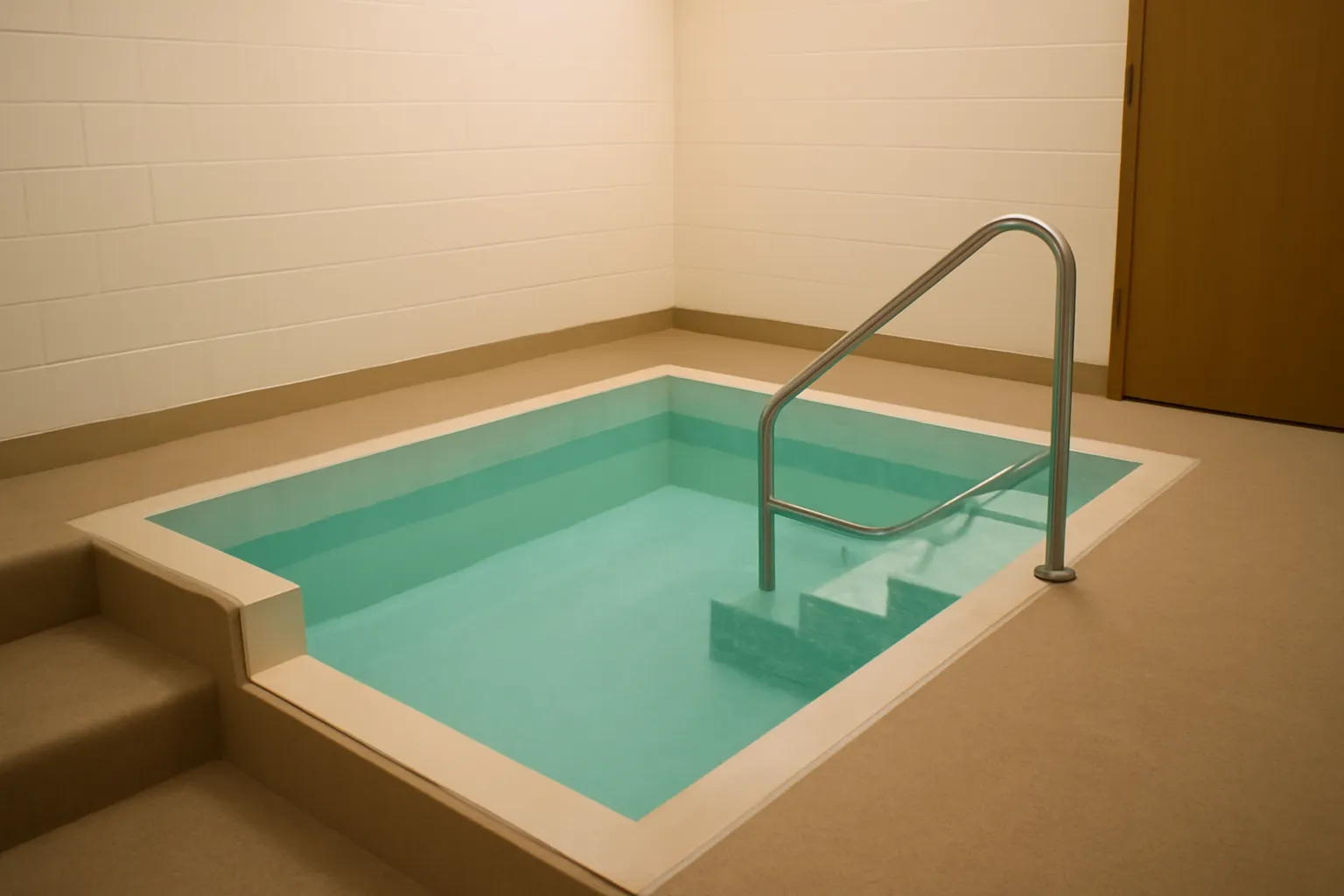
In many church traditions, the baptismal pool or baptistery is a central element of the liturgy, symbolizing new life and the community’s welcome of new members. This article serves as a comprehensive guide to help congregations evaluate options, plan an appropriate installation, and sustain a baptismal basin or immersion pool over many years. Whether you are replacing an aging baptismal font or outfitting a worship space for the first time, this guide covers considerations from design and accessibility to maintenance and safety.
The terminology around this feature can vary. You may hear baptismal pool, baptistery, baptismal basin, immersion pool, or simply church baptism pool. Each term points to a similar purpose: creating a dignified, safe, and functional space for sacramental immersion. This article uses these variations to reflect how different congregations talk about the same sacred instrument, while focusing on practical guidance you can apply to any of these forms.
Key considerations before choosing a baptismal pool
Selecting the right baptismal pool, whether you call it a baptismal pool or a baptistery, depends on several core factors. Thoughtful planning up front saves time, reduces long-term maintenance costs, and ensures the space serves worship, education, and hospitality for generations.
Space, footprint, and architectural fit
Site assessment: Measure the available space, ceiling height, door widths, and access routes. Ensure there is sufficient clearance for ministers, ushers, and participants. A cramped configuration can compromise safety and discourage participation.
Footprint and shape: Decide whether a rectangular, oval, circular, or custom-shaped pool best fits the worship area. Some sanctuaries benefit from a semi-permanent structure that complements the altar or pulpit, while others prefer a freestanding immersion pool that can be moved if liturgical needs change.
Integration with existing architecture: Consider harmonizing materials, colors, and finishes with the sanctuary. A well-integrated immersion pool or baptistry can feel intentional rather than jarring.
Capacity, depth, and water volume
Participant capacity: Estimate the maximum number of retrieves or baptisms per service and per day. Some churches perform multiple baptisms in a single ceremony, while others do them one at a time.
Depth options: Common depths range from about 3 to 5 feet (roughly 0.9 to 1.5 meters). Depth should accommodate typical immersion needs while ensuring safety for all ages and abilities.
Water volume implications: Larger pools require more water treatment, heating, and filtration. A larger immersion pool may offer greater ritual flexibility but comes with higher ongoing costs.
Materials, durability, and maintenance profile
Materials: Common options include durable, non-porous composites, stainless steel, and high-grade acrylics. Each material has different sanitization and cleaning requirements, plus considerations for acoustics, weight, and installation.
Surface finish: Non-slip surfaces around the pool are essential for safety. Choose finishes that resist staining from minerals in water and sacramental elements.
Longevity and warranty: Look for products with warranties that cover structural integrity, water-tightness, and surface finishes for a long period. A reliable warranty supports long-term maintenance planning.
Water system, sanitation, and climate considerations
Water source: Confirm whether water is municipal or on-site and whether you need a cold-water line, a warm-water line, or both to maintain comfortable immersion temperatures.
Filtration and disinfection: A robust filtration system paired with appropriate sanitizers (chlorine, salt-based systems, or alternative sanitizers) keeps water clean and safe for immersion rituals.
Temperature control: Heating may be necessary to ensure a comfortable immersion experience and to support parasitical and microbial control. Temperature stability is important for predictable services.
Water quality management: Keep pH, alkalinity, calcium hardness, and sanitizer levels within target ranges. Consistent water quality protects participants and extends equipment life.
Code compliance, safety, and accessibility
Local codes: Check building, health, plumbing, and electrical codes in your jurisdiction. Some regions require specific permits, inspections, or water-treatment standards for sacred immersion pools.
Electrical safety: If heating coils, pumps, or lighting are electrical, ensure installation complies with electrical codes and is performed by licensed professionals.
Accessibility: Plan for ADA accessibility or other local accessibility requirements. This may include accessible pathways, seating, depth markers, and handrails.
Safety features: Non-slip flooring, secure handrails, depth indicators, clearly marked entry/exit points, and emergency shutoffs are essential for preventing accidents during baptisms.
Initial cost: Include the pool shell, installation, plumbing, electrical work, and any required structural modifications.
Operating costs: Ongoing expenses include energy for heating, water treatment chemicals, filtration maintenance, and routine cleaning.
Lifecycle planning: Consider the expected lifespan of the pool, its components, and replacement cycles for major parts like pumps, heaters, and seals.
Different forms of baptismal pools for churches
The baptismal pool landscape includes several form factors, each with its own advantages and trade-offs. Depending on space, liturgical tradition, and budget, churches may opt for one of several common configurations.
Permanent, built-in baptistery
Pros: Aesthetically integrated into the sanctuary; stable plumbing and electrical connections; often provides a ceremonial focal point for worship.
Cons: Higher upfront cost; less flexible if spacing needs change; longer construction timeline.
Freestanding immersion pool
Pros: Versatile placement, can be moved if space is reconfigured; can be designed to resemble a traditional baptistery or a modern feature.
Cons: Requires careful anchoring, robust foundation, and a dedicated service space for maintenance.
Portable or modular baptismal units
Pros: Lower upfront cost; easier to set up for special occasions; can be stored away when not in use.
Cons: May have shorter lifespans; occasional movement can complicate water treatment and plumbing connections.
Altarpiece-integrated or lectern-based designs
Pros: Creates a symbolic link between preaching, worship, and baptism; can be visually striking.
Cons: Requires careful acoustics planning and integration with the pulpit or sanctuary furniture.
Hybrid options and accessibility-focused layouts
Pros: Combines mobility with permanence; can be designed to meet accessibility goals more easily.
Cons: Potentially higher installation complexity; requires coordination among contractors and clergy.
Installation planning: steps to get from concept to consecration
Installing a baptismal pool or baptistery is a multi-disciplinary project. It touches architecture, interior design, mechanical systems, and liturgical planning. Below is a high-level, non-exhaustive sequence to help your team align responsibilities and timelines. Always engage licensed professionals for structural, electrical, and plumbing work, and obtain all necessary permits before starting.
Define requirements: Confirm capacity, shape, materials, and integration with liturgical space. Gather input from pastors, worship leaders, facilities staff, and trustees.
Concept design: Develop sketches or 3D renderings showing the pool’s location, sightlines, and how baptism will occur during services.
Code and permit review: Identify applicable codes, safety standards, and required inspections. Prepare permit applications accordingly.
Site preparation: Clear space, reinforce flooring if needed, coordinate with HVAC and electrical plans to avoid conflicts with ceiling fixtures or other structures.
Plumbing and electrical design: Plan cold/hot water lines, drainage, venting, filtration, sanitization equipment, pumps, and any lighting or heating elements. Ensure all electrical work is GFCI-protected and adequately grounded where required.
Water treatment strategy: Select sanitizers (chlorine, alternative sanitizers, or salt systems) and filtration specifications. Design a routine for balancing pH, alkalinity, and mineral content.
Waterproofing and finishes: Apply appropriate coatings or gel coats; ensure seamless joints and proper sealing to minimize leaks and staining.
Finish carpentry and aesthetics: Install non-slip flooring around the pool, handrails, seating, and other liturgical furniture. Match finishes to the sanctuary’s existing style.
Commissioning and testing: Fill the pool, test for leaks, verify water chemistry, and confirm optimization of pumps and heaters. Run a dry run with staff to simulate baptism ceremonies.
Staff training and documentation: Provide operators with manuals, safety checklists, and a maintenance calendar. Document warranty information and contact details for service providers.
Maintenance and operation of the baptismal pool, basin, or baptistery
Ongoing care is essential to protect the health of participants and the integrity of sacred space. Establish a routine that covers cleaning, water chemistry, equipment maintenance, and periodic inspections. The following guidance is designed to be practical for church maintenance teams and volunteers.
Inspect safety features: Check handrails, non-slip surfaces, and depth markers before every service. Ensure exit routes are clear and well lit.
Water surface and cleanliness: Wipe down any water splashes on surrounding surfaces; remove debris from the water surface if needed and ensure there is no staining around fittings.
Filtration checks: Confirm pumps are operating on a regular schedule; listen for unusual noises that could indicate a blockage or pump wear.
Chemical pre-treatment: If your system uses a pre-dosed sanitizer or continuous dosing, verify that there are no alarms and that levels are approaching target ranges.
Weekly and monthly water chemistry
pH and alkalinity: Maintain the pH in a stable range appropriate for your sanitizer and water source (for many systems, pH ~7.2–7.6 is common). Alkalinity helps buffer pH changes.
Chlorine or sanitizer levels: Monitor free chlorine or alternative sanitizers per the system’s specification. Ensure the levels are safe for immersion and meet health standards for public pools if applicable.
Calcium hardness and total dissolved solids: Keep minerals in balance to prevent scale formation and equipment wear. Adjust as needed based on water source and pool material.
Sanitizer residuals: Verify residuals after shock treatments or water make-up to ensure a consistent sanitizing environment.
Seasonal and annual maintenance
Equipment inspection: Check pumps, heaters, filters, seals, gaskets, and valves for wear. Replace any worn components before they fail during a service.
Surface and finish care: Clean and inspect the pool shell for cracks, chips, or staining. Recoat or reseal as recommended by the manufacturer or installer.
Water replacement planning: Depending on the pool usage, budget for partial or full water drainage and refill on a schedule that minimizes chemical shocks and maintains water quality.
Backwash and filtration cycles: Establish routines for backwashing or cleaning cartridges and confirming pump efficiency after heavy use periods.
Safety and record-keeping
Safety audits: Document daily checks, incident reports, and maintenance activities. Review procedures annually and update as needed for evolving best practices.
Staff training records: Maintain logs of staff and volunteer training on operation, safety, and emergency procedures.
Emergency readiness: Have a plan and equipment for water-related emergencies, including first aid kits, emergency contact lists, and clear instructions for custodial staff and clergy.
Safety, accessibility, and liturgical use
A baptismal pool is not only a functional element; it is a sacred space that communicates welcome, reverence, and communal identity. Prioritizing safety, accessibility, and proper liturgical use helps ensure that immersion rites are meaningful, dignified, and inclusive.
Accessibility for all worshippers
ADA accessibility: Where required, provide accessible pathways to the pool, seating, and a step-free entry. Consider adaptive devices or assistance for participants with limited mobility.
Ingress and egress support: Install non-slip ramps or graded steps and handrails. Provide staff or volunteers to assist as needed during baptisms.
Service scheduling considerations: Offer dedicated times for baptism classes or rehearsals to ensure participants understand the process and safety expectations.
Liturgical and symbolic considerations
Sacramental symbolism: Design and décor should enhance the spiritual meaning of baptism. Lighting, color schemes, and surrounding imagery can reinforce a sense of reverence.
Aesthetics and acoustics: Ensure the space communicates warmth and welcome, with appropriate acoustics so congregants can hear prayers and invocations without distraction.
Privacy and dignity: When possible, provide spaces that respect personal dignity during immersion rites, including modesty considerations and optional coverings or robes.
Ongoing safety practices
Non-slip surfaces: Use materials that reduce slip risk around the pool deck, especially in wet conditions.
Depth indicators: Clearly mark the pool depth to prevent missteps near the water’s edge.
Emergency procedures: Train staff and volunteers on emergency shutdown procedures, rescue techniques, and communication protocols during baptisms.
A well-planned baptismal pool project balances initial investment with long-term maintenance costs. Transparent budgeting helps committees, clergy, and congregations steward resources wisely while preserving the sacred function of immersion rites.
Pool shell and fixtures: The main structure, seating, rails, steps, and mounting hardware.
Plumbing and electrical: Water supply lines, drainage, sanitation equipment, pumps, heaters, lighting, and GFCI protection where required.
Finishes and aesthetics: Tile, coatings, and decorative elements that align with the sanctuary’s design language.
Installation labor: Contracting costs for structural work, electrical and plumbing installation, waterproofing, and finish carpentry.
Ongoing expenses to plan for
Water treatment chemicals: Sanitizers, pH adjusters, and anti-scaling agents, as well as replacements for cartridges or filters.
Energy consumption: Heating, pumps, and filtration can be a recurring monthly cost, depending on usage and climate.
Maintenance contracts: Optional service plans or professional inspections to extend life and ensure compliance.
Replacement cycles: Plan for occasional replacement of seals, gaskets, or parts with limited lifespans to avoid unexpected failures.
Common mistakes and how to avoid them
Underestimating space needs: Inadequate clearance around the pool can lead to crowding during baptisms and safety concerns. Always plan for space for ministers and participants and for devotional posture during immersion.
Inadequate water treatment: Skipping regular testing can result in unsafe water quality or equipment damage. Establish a routine with documented checks.
Skipping accessibility planning: Neglecting ADA or local accessibility guidelines can exclude parishioners from participation. Prioritize inclusive design from the outset.
Choosing aesthetics over function: A pool can be beautiful, but if maintenance or safety becomes burdensome, it undermines the purpose. Balance beauty with durability and practicality.
Ignoring maintenance planning: Without a clear maintenance calendar, equipment may fail during a service. Develop a written plan and assign responsibilities to staff or volunteers.
Case studies and best practices
While every church has unique needs, certain best practices emerge across installations. Consider these generalized scenarios to inform your planning.
Case study C: accessibility-first design for inclusivity
Challenge: Ensuring participants with limited mobility could participate respectfully and safely.
Solution: A low-entry immersion pool with integrated seating and an assisted transfer system; staff trained in disability sensitivity and safety protocols.
Result: Greater congregational participation and inclusive worship experiences.
Conclusion: creating a baptismal pool environment worthy of the sacred rite
A baptismal pool or baptistery is more than a utility; it is a sacred space that marks a cherished moment in the life of the church and its members. By thoughtfully considering space, capacity, materials, water management, safety, accessibility, and budget, a congregation can choose a configuration that honors tradition while meeting contemporary needs. Whether you adopt a baptismal basin, a church baptism pool, or a immersion pool integrated into a baptistery, the goal remains the same: to provide a dignified, safe, and meaningful setting for immersion rites that declare faith, welcome visitors, and nurture spiritual formation.
If you are in the early stages of planning, start with a clear brief for your design team, consult clergy and custodial staff about practical realities, and request references from other churches with similar installations. Remember to engage licensed professionals for all structural, electrical, and plumbing work, and to schedule periodic maintenance checks from reputable service providers. With careful planning and ongoing care, your baptismal pool will serve your church faithfully for many years, becoming a source of blessing during seasons of celebration and transformation.

 Por Laura Jara