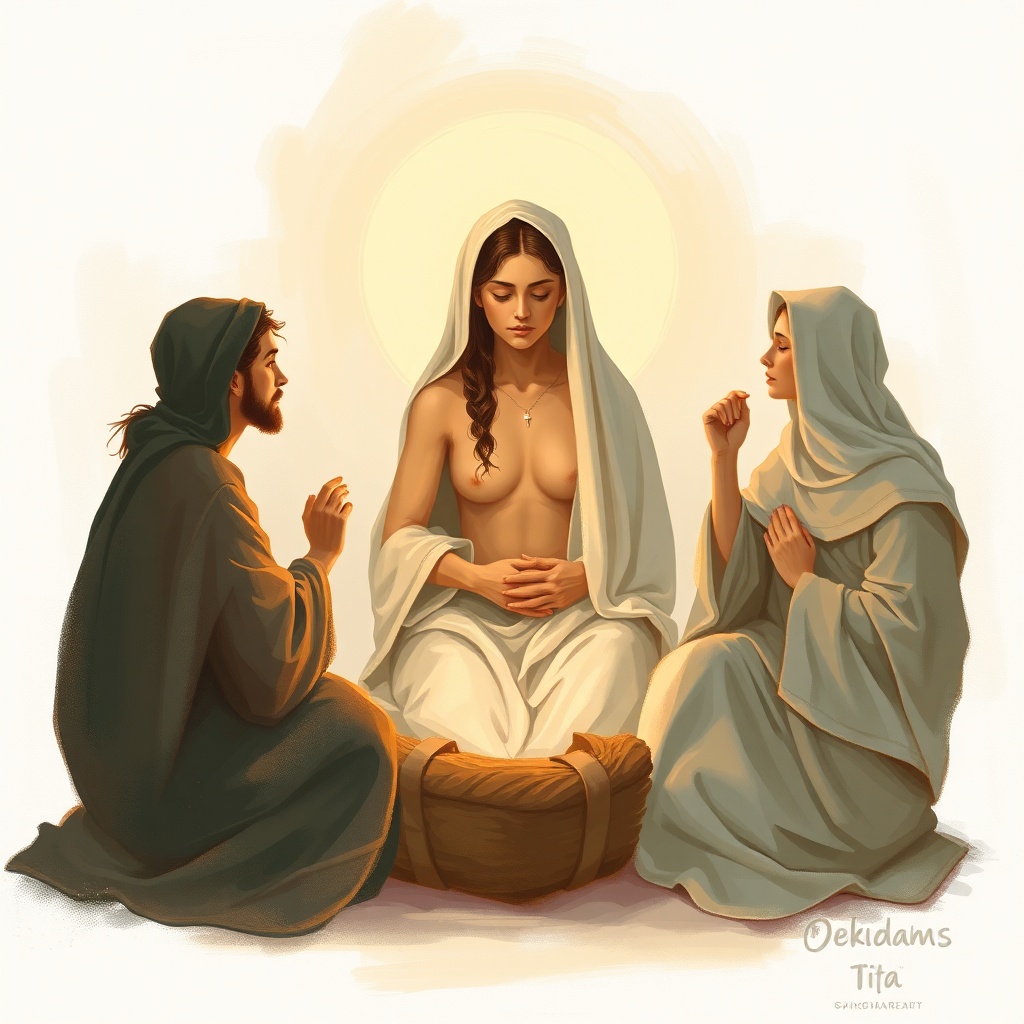
Oholibah: The Biblical Woman Representing Spiritual Unfaithfulness
📅 6th century BCE, during the Babylonian exile · 📜 Oholibah means 'My tent is in her' in Hebrew, symbolizing her identity as Jerusalem personified as a wife or bride.
Wherefore, Oholibah, thus saith the Lord GOD; Behold, I will give thee to blood, and blood shall pursue thee: since thou hast not hated blood, even blood shall pursue thee.— Ezekiel 24:8
Oholibah is a symbolic figure representing Jerusalem's spiritual unfaithfulness. In Ezekiel 23, her story is told through a prophetic allegory where she, like her sister Ohholah, engages in idolatry and immoral alliances with foreign nations, symbolizing Israel's unfaithfulness to God through idolatry and dependence on foreign powers. She is depicted as a woman who indulges in disloyalty, leading to divine judgment. Her story underscores themes of betrayal, the consequences of unfaithfulness to God, and the importance of spiritual fidelity. The imagery emphasizes God's divine disappointment and righteous judgment for Jerusalem's betrayal, serving as a warning against spiritual infidelity and the importance of covenant loyalty in salvation history.
🏛️ Cultural & Historical Context
During the 6th century BCE, Jerusalem was under the influence of powerful neighboring nations, such as Babylon and Assyria. Women’s roles were primarily domestic, but city allegories like Oholibah reflected societal fears about national unfaithfulness and spiritual betrayal. Prophetic imagery used women symbolically conveyed the nation's moral and religious state, emphasizing the importance of fidelity to Yahweh amid political and social upheaval. This metaphorical depiction warned Judah against idolatry and diplomatic alliances that compromised their covenant with God, highlighting the moral standards expected of women and leaders in that era.
She personifies Jerusalem, representing the spiritual daughter of Zion; no specific family members are mentioned as she is a symbolic figure.
✨ Character Traits
UnfaithfulnessAttractivenessDeceptionPunishable
⛪ Theological Significance
Oholibah as a symbol embodies Israel’s unfaithfulness to God through idolatry and political alliances, illustrating divine disappointment and justice. Her story emphasizes God's covenant faithfulness and the consequences of spiritual infidelity. In salvation history, she exemplifies the danger of turning away from divine truth and the importance of repentance and covenant loyalty. Her sobering allegory reminds believers of God's righteous judgment but also His mercy, offering hope for eventual restoration when genuine repentance occurs.
📖 Lessons for Today
📖 Lesson 1
Spiritual fidelity to God is essential; turning to idols or worldly alliances can lead to spiritual downfall.
📖 Lesson 2
Acknowledging failures and repenting restores our relationship with God, emphasizing His mercy and justice.
📖 Lesson 3
Leaders and individuals alike must remain loyal to God’s commandments to avoid divine discipline.
🔗 Connections to Other Biblical Women
Oholibah contrasts with figures like Ruth or Mary, who exemplify faithfulness and devotion to God. While most biblical women are celebrated for their loyalty, Oholibah symbolizes the peril of spiritual infidelity. She serves as a cautionary contrast, highlighting that spiritual unfaithfulness leads to divine judgment, unlike the faithful women who are rewarded with God's favor.
📜 Scripture References
Reference
Ezekiel 23:1-49
❓ Frequently Asked Questions
Is Oholibah a real person?
No, Oholibah is a symbolic personification of Jerusalem in Ezekiel’s prophetic allegory, representing the city’s spiritual unfaithfulness.
What does Oholibah teach us about God’s view of unfaithfulness?
Oholibah illustrates that spiritual unfaithfulness provokes God’s righteous anger and judgment, but also underscores the importance of repentance and faithfulness to maintain divine favor.
Why is Oholibah portrayed so negatively?
Her negative portrayal underscores the severity of Israel’s betrayal through idolatry and alliances with foreign nations, serving as a divine warning to uphold spiritual integrity.
✨ Did You Know?
The name Oholibah appears only in Ezekiel 23, and her allegorical story draws heavily on ancient Near Eastern symbolism, often using imagery of garments and prostitution to depict spiritual unfaithfulness. linguistically, her name emphasizes her identity as a dwelling or tent, symbolizing Jerusalem’s role as God's dwelling place yet betrayed through unfaithfulness.

 Por Mario Acevedo