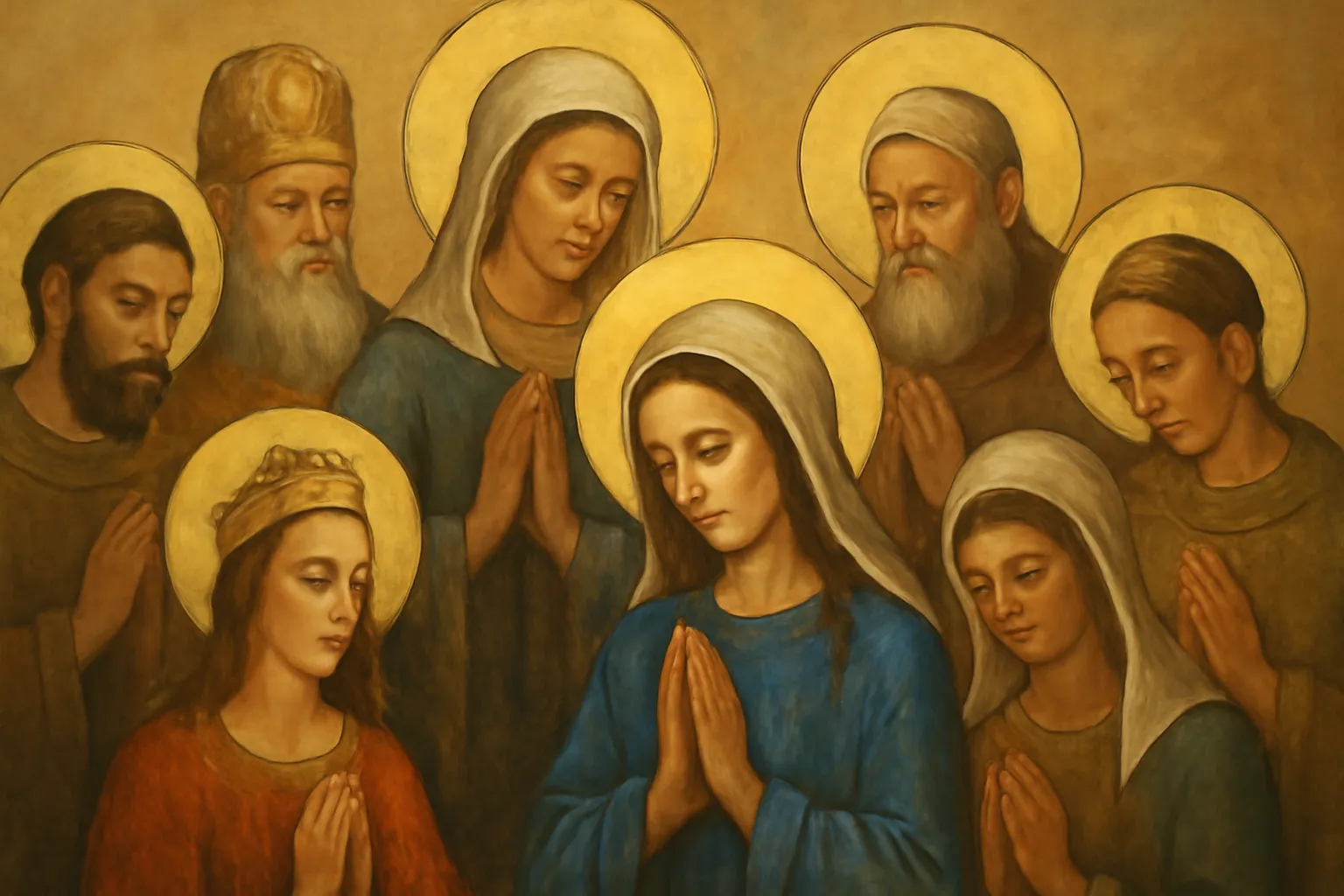
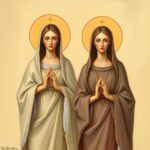
All Saints Day is a feast that invites reflection, gratitude, and connection. On All Saints Day, believers remember the company of the holy ones—those known and unknown—who have lived lives of faith and witness. The practice of prayer on this day weaves together meaning, ritual, and tradition, offering a language to honor sacred memory while inviting personal renewal. In this article, you will find an in-depth exploration of All Saints Day prayer as a spiritual practice: its meaning, a variety of prayers associated with the day, and the diverse traditions that give life to this important observance. Whether you come from a Catholic, Orthodox, Anglican, Lutheran, or other Christian background, the threads of prayer on this feast connect across cultures and centuries.
To understand All Saints Day prayer, it helps to begin with the deeper meaning of the day itself. All Saints Day is not only a remembrance of famous saints, but a public profession of faith in the communion of saints—the spiritual solidarity that binds the living with the dead in the service of God. Prayer becomes a bridge between generations, between the named saints and those who live today, and between personal devotion and the witness of the Church as a whole. Several key themes recur in discussions of the meaning of All Saints Day prayers:
Gratitude for holy lives — Prayers on this day acknowledge the gift of faithful witness and seek to imitate the virtues of the saints.
Intercession and petition — Believers ask the saints to intercede with God on their behalf, recognizing that the saints now share in heavenly prayer before God’s throne.
Hope and consolation — For many, the day offers consolation for grief by affirming the unity of the Church beyond death and the promise of eternal life.
Invocation of divine mercy — The prayers often center on mercy, righteousness, and the sanctification of the faithful, both living and departed.
Call to holiness — The witness of the saints becomes a model for Christian living, challenging each believer to pursue holiness in daily life.
In different Christian traditions, the wording and emphasis of All Saints Day prayer reflect distinct theological accents—the Catholic emphasis on the communion of saints and the intercession of the saints; the Orthodox emphasis on the memory of the saints as a living reality of the Church; and the Protestant emphasis on the authority of Scripture and the direct relationship with God through Christ, while still honoring the examples of faithful saints. Regardless of tradition, the practice of prayer on this day centers on a shared conviction: the people of God are not solitary, but part of a larger stream of faith that reaches back through history and flows into the present moment.
Common All Saints Day Prayers: Forms and Variations
Across traditions, All Saints Day prayers come in several recognizable forms. Each form serves a different purpose—invocation, intercession, thanksgiving, confession, or liturgical prayer within a service. Here are the major categories you are likely to encounter, along with examples and variations you may adapt to your own practice.
Liturgical Collects and Prayers in Catholic Tradition
The Catholic Church often presents All Saints Day prayers in the form of a Collect (the prayer of the day) and a set of readings that point toward the victory of the saints and the hope of the resurrection. A paraphrased example of a typical All Saints Collect might be described as follows:
Acknowledge the cloud of witnesses across ages and confess the faith once entrusted to the saints.
Ask God to grant the faithful strength to imitate the saints’ courage in faithful witness, especially in times of trial.
Seek the endurance of grace that sustains the Church as it proclaims the gospel to all nations.
In practice, you may encounter language that speaks to the triumph of grace, the assurance of eternal life, and the comfort of God’s mercy. A simple, audience-friendly version you could adapt for personal use might be: “Lord, you call your saints to witness your truth. Help me to walk faithfully today, that I may share in your eternal life and honor those who have gone before me in faith.”
Anglican and Protestant Variants
In many Anglican and Protestant congregations, All Saints Day prayers emphasize biblical memory, corporate confession, and the saints’ ongoing communion with God through Christ. A common approach includes:
A litany or responsive prayer acknowledging the saints who have loved God and served others.
Prayers for the church’s mission in broader society, calling believers to witness with courage and compassion.
Personal prayers for the living and for those who mourn the dead, seeking God’s comfort and hope.
Variations you might hear or wish to use include a short responsive prayer featuring lines such as: “We bless you, Lord, who called your saints to glory; sustain us as we imitate their faith and hope in your promises.”
Traditional Prayers for Intercession
Another important form of All Saints Day prayer is the intercessory prayer, in which believers lift up the needs of others—living and deceased—before God. A traditional pattern might include:
Remembering the faithful departed by name or by group (e.g., family members, communities, and saints who have inspired faith).
Petitions for the Church’s leaders, the vulnerable, the afflicted, and those who suffer for their faith.
Prayers for peace, justice, and mercy in the world, guided by the wisdom of the saints.
In practical terms, you can craft a simple intercessory prayer such as: “We pray for the faithful departed and for all who mourn. May your grace be their comfort, and may your mercy bring them to the fullness of life in your eternal kingdom.”
Prayers for Thanksgiving and Praise
Thanks-giving forms are central to All Saints Day prayer life. Believers reflect on the gifts of faith, courage, and charity demonstrated by the saints. A brief thanksgiving prayer might include expressions like: “We give you thanks, Lord, for the witnesses who have shown us how to love you and our neighbors. Strengthen our hearts to follow their example.”
Variations of All Saints Day Prayer Across Traditions
This section explores how All Saints Day prayer takes on different flavors depending on the Christian tradition. Each variation preserves the core idea—honoring the saints and seeking to live by their example—while adjusting language, structure, and emphasis.
Catholic — Emphasizes the communion of saints, intercession of Mary and the saints, and a liturgical Collect that frames the day’s worship.
Orthodox — Focuses on the memory of the saints as a living part of the Church, with dedicated hymns, icons, and prayers of praise to God for holy intercessors.
Anglican — Combines liturgical prayers with readings from Scripture; often features a litany of saints and a sermon that connects historical witness to contemporary life.
Lutheran and other Protestant traditions — Centers on Scripture, the witness of the saints, and the call to live out one’s faith with integrity and hope in Christ.
In addition to doctrinal variation, cultural expressions of All Saints Day prayer differ widely. For example, some communities include processions, hymns, and lighting of candles; others emphasize quiet contemplation, memory books, or shared meals. The common thread remains: prayer as a bridge between past and present, memory and action, faith and daily life.
All Saints Day Traditions Around the World
People around the globe mark All Saints Day in distinctive ways that reflect local cultures, liturgical calendars, and social customs. Here are some representative examples that illustrate the breadth of All Saints Day traditions and how prayers are embedded in communal life.
Europe — In many European countries, All Saints Day is a solemn national or local holiday. Churches are crowded for services that include readings about the saints, hymns of praise, and prayers for those who have died. Families often visit cemeteries to light candles and recite prayers for departed relatives.
Philippines — Catholic communities may blend All Saints Day with practices of All Souls Day, visiting graves, offering flowers, and praying the rosary or a set of Latin prayers. Processions and community feasts can accompany the prayers.
Latin America — In many regions, All Saints Day is observed with family gatherings, prayers at home, and visits to churches or shrines where relics and genealogical memory are honored. Music and communal prayer often accompany the day’s liturgical services.
Europe and the Americas — The tradition of lighting candles on graves, especially at dusk, is common. Prayer rituals may be integrated into parish Masses, with readings from Scripture about the beatific vision and the communion of saints.
African and Asian communities — Local forms of prayer, songs, and call-and-response worship often accompany All Saints Day observances, creating a vibrant fusion of liturgy and culture that still centers on the saints’ example and God’s mercy.
Across these settings, you may notice a recurring pattern: a balance between reverent remembrance and active living. The prayers of the day inspire people to act with charity, courage, and faith; to reach out to those in need; and to cultivate a hope that reaches beyond temporal sorrow into the promise of eternal life.
How to Use All Saints Day Prayers in Daily Life
All Saints Day can be a catalyst for personal spiritual practice, family rituals, and community service. Here are practical ways to incorporate All Saints Day prayers into daily life, keeping the themes of remembrance, intercession, and renewal alive long after the calendar date.
Home devotional: Create a quiet space with a candle, a Bible or Scripture selections, and a short list of names to remember. Read a chosen passage about the saints, then recite a brief intercessory prayer for those you know who need support and guidance.
Family prayer time: Invite each family member to share a moment of gratitude for someone they admire in faith. End with a simple prayer asking for strength to imitate virtuous traits observed in the saints.
Community service: Let the spirit of the saints guide acts of mercy: volunteering, visiting the sick, donating to those in need, or organizing a prayer vigil for the afflicted or marginalized.
Grief and remembrance: For those who mourn, use All Saints Day prayers to hold grief in a sacred space, naming loved ones who have died and asking God’s comfort and ongoing care for the bereaved.
Liturgical participation: If you attend a church service on All Saints’ Day, participate fully by joining in the readings, singing, and the prepared prayers. You can bring a personal intention to the congregational intercessions to make the experience more meaningful.
Practical Tips for Personalizing All Saints Day Prayers
Personalization helps prayers feel authentic and transformative. Consider these approaches:
Keep a prayer journal for the day and week that follows, noting insights from your prayers and any ways you sense God’s guidance in daily life.
Use a memory list of saints or role models to inspire a short daily reflection, even after the day has passed.
Adapt language to your style—whether you prefer formal liturgical phrases or simple, direct conversation with God.
Pair your prayers with a small act of service or charity that embodies the spirit of the saints you admire.
Prayers for the Departed and the Living: A Balanced Practice
All Saints Day invites both remembrance of the departed and prayer for the living. A balanced practice acknowledges loss while affirming hope. Here are two sample templates you can use or adapt:
Prayer for the departed (short form): “Lord of life, we entrust to you all who have fallen asleep in faith. Grant them rest in your presence and comfort for those who mourn. May their memory stir us to live with love and to serve you in our neighbors.”
Prayer for the living (short form): “Gracious God, strengthen us in faith, hope, and charity. Help us to imitate the saints’ courage, to be steadfast in prayer, and to extend mercy to others as you have shown mercy to us.”
When you combine these prayers, you create a rhythm that holds the whole spectrum of the Christian experience: memory, intercession, consolation, and vocation. You may also include a brief moment of silence, allowing your own heart to respond to what the day invites you to become.
To help you begin or expand your practice, here are a few concise versions of All Saints Day prayer you can adapt. They reflect different tones—liturgical, devotional, and contemporary—so you can choose the one that fits your context.
Liturgical-style variation:“O God, you gave your saints the courage to live in faithful witness. Guide us today to walk in their light, that we may glorify you in all we do and rest with you in eternal life.”
Devotional variation:“Saints of God, pray for us. Help me to love as you loved, to serve as you served, and to keep faith in times of trial.”
Contemporary variation:“Thank you, God, for the examples of courage and compassion in the saints. Fill my heart with their zeal and give me grace for today.”
Beyond the practical forms and cultural expressions, All Saints Day prayer invites a deeper theological reflection. The prayers practiced on this day are not merely nostalgic; they are radical statements about who God is, who we are, and how God invites us into a larger story. Several ideas shape this reflection:
Participation in the divine life: The saints are not distant figures; their life with God is part of the ongoing life of the Church. Prayer on this day aligns believers with a cosmic perspective—God’s kingdom is present in the Church, and the saints witness to what that kingdom looks like in real life.
Intercession and mercy: The practice of asking saints to intercede with God arises from the belief that the Church is united in prayer. This intercession is not about worshiping the saints, but about honoring their holiness and inviting their aid in the Christian journey.
Hope through memory: Remembering the saints helps to anchor hope in the resurrection and the promise that life continues in fullness beyond death. Prayers that look back are not only about memory; they are about hope that informs action today.
When you engage in All Saints Day prayers, you engage with a tradition that has braided together devotion, doctrine, and daily life for centuries. The result is not merely a ceremonial day but a spiritual discipline that keeps the heart attentive to God’s mercy and God’s call to holiness.
For readers who want to explore additional materials, here are several sources and kinds of resources that can help you deepen your practice. These are ideas you can adapt to your own tradition or use in a group setting.
Liturgy books and missals: Look up the All Saints Day entries in your church’s liturgical booklets. You’ll often find a Collect, readings, Responsorial Psalms, and a short prayer for intercession.
Scripture selections: Choose passages that highlight the life of faith, such as verses about the communion of saints, endurance in faith, and the victory of God’s love over death.
Cultural guides: Regional prayer books and tradition guides can reveal how All Saints Day is observed in your local community or in communities connected to your church.
Devotional guides and websites: Reputable religious websites, church blogs, and app-based devotionals often include ready-to-use prayers and study questions for All Saints Day.
If you wish to study more deeply, consider these themes and questions as starting points for study sessions, sermons, or personal contemplation:
Doctrine of the communion of saints: How does this doctrine shape our sense of community, memory, and intercession?
Intercession and prayer life: What are the limits and gifts of praying with and for saints, and how does this relate to prayer to God through Christ?
Liturgical calendar and seasonality: How do feast days like All Saints Day fit within the broader church year and its themes?
Pastoral care and remembrance: How can parishes create spaces of memory for those who mourn, while offering hope anchored in the Gospel?
In the end, All Saints Day prayer is an invitation to live with a broader horizon. It asks believers to remember those who have gone before, to seek divine mercy for a broken world, and to imitate the saints’ courage in daily life. The prayers themselves—whether liturgical, intercessory, or personal—serve as practical tools to cultivate holiness, cultivate compassion, and cultivate a steadfast hope in God’s promises. The day is a reminder that no one travels the path of faith alone; the great cloud of witnesses surrounds us, encourages us, and prays with us as we walk toward the life that God has prepared for all who love him.
Whether you are reciting a traditional prayer from a parish booklet or crafting a personal, contemporary petition for friends and family, the essential aim remains the same: to honor the saints, to seek God’s mercy, and to allow their witness to shape how we live today. May your All Saints Day prayers bring you closer to God, closer to your neighbors, and closer to the eternal life promised in Christ.

 Por Laura Jara