Ana Baptism: The Complete Guide to Ana’s Baptism — Meaning & Steps
Ana Baptism is a phrase that invites a blend of personal meaning and shared tradition. Whether you are a parent planning Ana’s baptism, a godparent preparing for a key moment, or a curious reader exploring the realm of Christian rites, this article aims to be a thorough, practical, and respectful guide. We will explore the concept of baptism, the distinctive elements involved in Ana’s baptism, and the concrete steps that families and churches often follow. Throughout, you will encounter variations on terms such as the baptism of Ana, Ana’s ceremonial baptism, and Ana Baptism rite to reflect the diversity of language used across churches and communities. This guide treats Meaning and Steps as the two pillars of a complete understanding of Ana’s baptism experience.
Overview: What this guide covers
In this guide, you will find:
Definitions and theological context for the act commonly called baptism or christening.
A clear explanation of the meaning of Ana’s baptism for the individual, the family, and the faith community.
A detailed, step-by-step walkthrough of the rite, from initial preparation to post-ceremony life as a member of the church.
Discussion of denominational variations and how different churches approach the ceremony for Ana—including infant baptism, child baptism, and adult baptism.
Practical guidance for planning, coordinating, and participating in Ana’s baptism.
Meaning of Ana Baptism: Why a rite matters
The central meaning of Ana Baptism is multifaceted. In many traditions, the rite is understood as:
Initiation into the Christian community: a public welcome into the life of faith.
A sign of grace and divine love, often described as a gift of God that marks Ana with a spiritual identity.
A symbol of purity, renewal, and the turning away from sin, expressed through water and ritual words.
A solemn commitment by families and faith leaders to nurture Ana in the ways of faith, learning, and service.
The precise theological emphasis can differ by tradition. In Catholic practice, baptism is a sacramental act that removes original sin and welcomes the person into the Body of Christ. In many Protestant communities, baptism is a public confession of faith and a believer’s profession of faith upon an informed decision. In Orthodox churches, the rite is often a full immersion with a strong emphasis on mysticism and the life of the Church as the seam between heaven and earth. Across these contexts, Ana’s baptism remains a pivotal moment of belonging, calling, and spiritual formation.
Steps in the rite: A detailed walkthrough of Ana’s baptism
While the exact order and language can vary by church, the following outline reflects common elements you may encounter in the ceremony for Ana, Ana’s baptism, or the baptism of Ana. The aim is to present a practical roadmap you can adapt to your own community’s customs.
Preparation and planning — Before the day of the ceremony, families and church leaders discuss date, venue, and any prerequisites. If the family is part of a broader denomination, there may be classes for parents or guardians, preparation sessions for sponsors, and a schedule for rehearsals.
Renunciation of sin and profession of faith — In many traditions, the rite includes a public renunciation of sin and a profession of faith on behalf of the child or adult being baptized. For an infant or young child, the faith statements are often proclaimed by the parents or godparents with the child’s best interests in mind, and later, the child will affirm the faith when ready.
Presentation of the candidate — The family presents Ana to the congregation as the one to be baptized. This moment signals the community’s readiness to receive a new member with support and guidance.
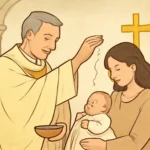
Prayer and blessing — A priest, minister, or celebrant leads prayers for Ana, invoking grace, wisdom, and steadfast faith. The blessing is often a key moment that sets the tone for the rite.
The water rite — The central act of baptism is the application of water. Depending on the tradition, this may be:
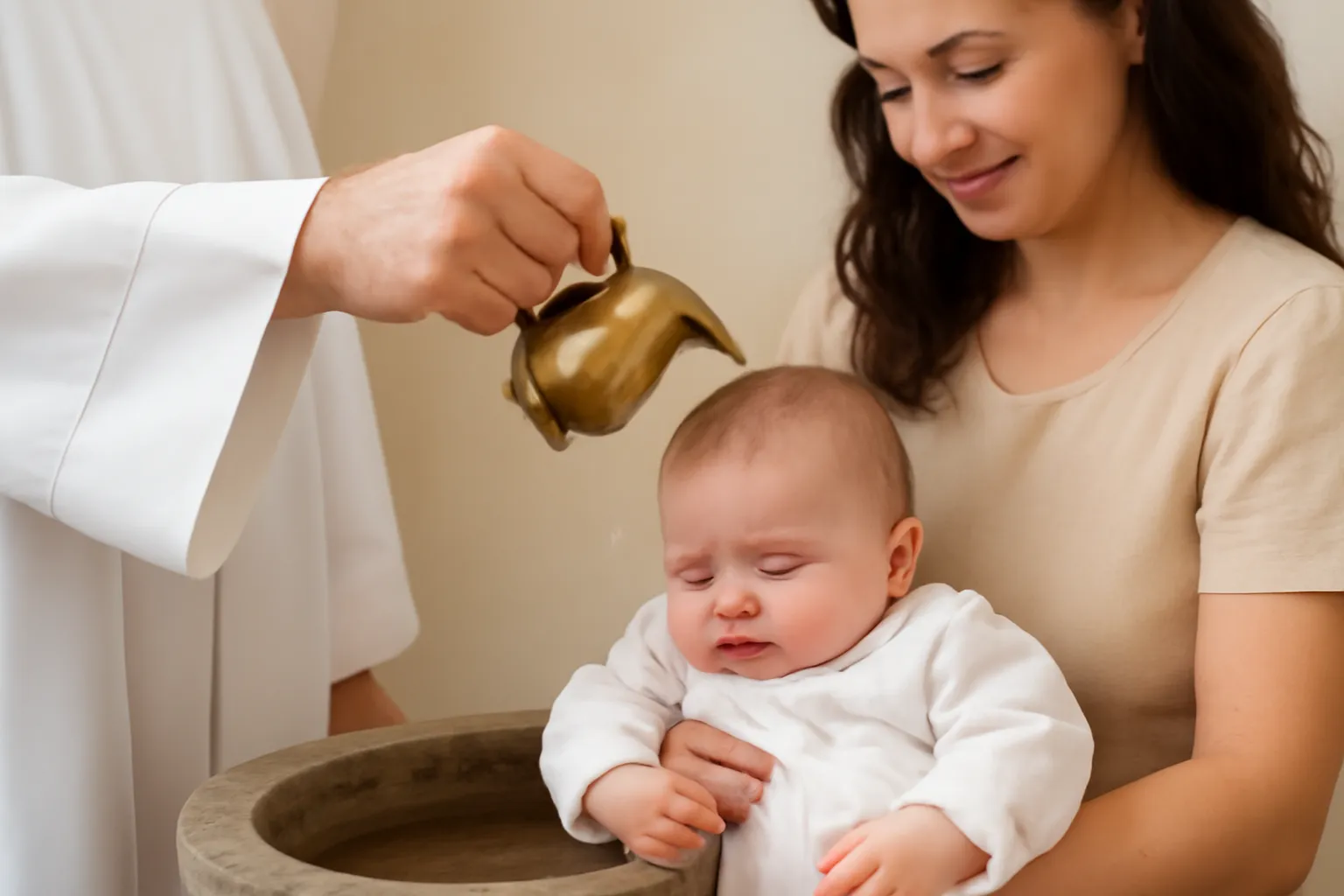
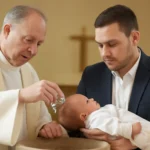
Pouring: The minister pours water over Ana’s head three times, often while reciting the Trinitarian formula, such as “I baptize you in the name of the Father, and of the Son, and of the Holy Spirit.”
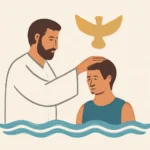
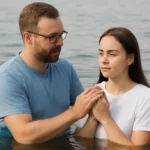
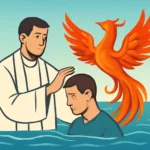
Immersion: Ana is gently immersed in water or dunked, a practice common in some evangelical and Orthodox communities.
The water rite signifies death to the old life and rising to new life in Christ.
Anointing and seals — In some traditions, after baptism there is an anointing with oil (chrism) as a seal of the Holy Spirit. This act emphasizes empowerment for living a faith-filled life. Some churches also use oil around the crown of the head or on the chest.
Clothing and symbols — A white garment is often placed on Ana to symbolize purity and new life. A baptismal candle is lit and given to the family to remind them to keep the flame of faith alive in daily life.
Godparents’ role — Sponsors or godparents affirm their responsibilities to support Ana’s growth in faith, remind her of the promises made, and stand with the family in baptismal life. Their witness is an important part of the ceremony.
Variations in practice
The steps above describe a broad arc, but you may encounter variations such as:
Infant baptism with initial vows taken by parents and godparents, followed by the child’s later personal profession of faith.
Believer’s baptism for older children or adults who consciously choose to be baptized after a period of instruction and decision.
Full immersion versus pouring, depending on liturgical tradition and local practice.
In some traditions, additional rites accompany baptism, such as catechesis, confirmation, or first communion after the initial rite.
Denominational variations: How Ana’s baptism is understood across traditions
The language of baptism can differ, but the underlying purpose remains consistent: to welcome Ana into the life of faith. Below are brief sketches of how this rite is typically approached in several major Christian families.
Catholic practice
In Catholic communities, Ana’s baptism is a sacrament seen as the first of the seven sacraments. It is typically performed by a priest in a church, often soon after birth. The ceremony emphasizes cleansing from sin, rebirth in Christ, and incorporation into the Church. Common elements include the baptism with water and the anointing with oil, a white garment, the baptismal candle, and the invitation to live as a member of the Body of Christ.
Orthodox practice
In Orthodox churches, the rite is often a combined rite of initiation that includes baptism, chrismation (anointing with holy oil), and Eucharist (communion) in one sequence. The emphasis is on mysticism, union with the Trinity, and participation in the life of the Church from the earliest days. Ana’s baptism in this context is a deeply liturgical and catechetical event, sometimes performed by immersion in blessed water.
Protestant practice
Among Protestant communities, such as Lutheran, Anglican, and Baptist traditions, the rite can range from infant baptism with parental vows to believer’s baptism with a personal confession of faith. Many Protestant churches emphasize the public declaration of faith and the personal decision to follow Christ, while still honoring the symbolism of water as cleansing and new life.
Baptist and Pentecostal practices
In Baptist and some Pentecostal contexts, baptism is often by believer’s baptism (immersion) and is explicitly linked to a personal profession of faith. The step-by-step flow is similar, but the emphasis on adult choice and readiness is more pronounced.
Symbols and elements: Meaningful objects in Ana’s baptism
Several symbols in the baptism for Ana carry deep meaning and help convey the spiritual truths of the rite. Here are some of the most common elements and their significance:
Water — Signifies cleansing from sin, birth into new life, and the fruit of the Spirit’s work within Ana.
White garment — Represents purity, new life, and the hope that Ana will grow in holiness.
Baptismal candle — A symbol of light in the world and the indwelling presence of Christ in Ana’s life.
Oil (chrism) — Some communities anoint with chrism as a seal of the gift of the Holy Spirit and empowerment for Christian living.
Godparents/sponsors — They pledge to support Ana’s growth in faith and to remind her of the promises made at baptism.
Salt, oil, or other prescripts — Used in some traditions to symbolize preservation, wisdom, and healing in the Christian journey.
Prayer and scripture — The words spoken during the rite and the scripture readings underscore the narrative of God’s love and calling for Ana.
Practical guidance for planning Ana’s baptism
Planning Ana’s baptism requires coordinated effort among family, church leadership, and sponsors. The following practical considerations help ensure the ceremony reflects meaning while remaining spiritually enriching for all participants.
Choose a date and venue that accommodates family, sponsors, and the church calendar. Some families prefer a Sunday service, while others may opt for a weekday ceremony.
Select sponsors or godparents who will support Ana’s faith journey and model Christian discipleship.
Participate in pre-baptism preparation classes or meetings, if offered by the church, to understand the commitments involved and to align expectations.
Prepare the family’s vows or statements of intent, especially if this is an infant baptism where parents and sponsors articulate the pledge to raise Ana in the faith.
Decide on the form of the water rite (pouring vs. immersion) based on the denominational tradition and the church’s practice for Ana’s baptism.
Plan the attire — the white garment is a common choice; consider comfortable clothing and a practical approach for the child or adult being baptized.
Arrange post-ceremony fellowship — many communities host a reception or gathering after the rite, a chance for families to celebrate and for the faith community to welcome the new member.
Post-baptism life: what happens after Ana’s baptism?
Baptism is not the end of a journey but the beginning. After Ana’s baptism:
The baptized person typically becomes a member of the church, with ongoing catechesis, worship participation, and opportunities for service.
Families and sponsors continue to nurture Ana’s spiritual growth through regular worship, prayer, scripture study, and community involvement.
Communion may follow soon after in some denominations, while others may require a period of catechetical instruction before first communion.
In many communities, the ceremony is remembered annually as a milestone—parents may keep baptismal certificates and the baptismal candle as keepsakes.
Common questions about Ana’s baptism
What age is typical for Ana’s baptism?
The age for Ana’s baptism varies by tradition. Some churches baptize infants shortly after birth, while others reserve baptism for children once they reach an age of understanding or for adults who make a personal decision. Regardless of age, the rite centers on becoming part of the Christian community and embracing a life of faith.
Is baptism required for salvation?
Different traditions answer this differently. Some emphasize baptism as a sacrament or ordinance that communicates grace, while others view baptism as a meaningful public confession and a sign of faith rather than a guarantee of salvation. In any case, Ana’s baptism is commonly understood as the starting point of a lifelong journey with Christ and the church.
What if Ana’s parents are not members of the same denomination as the church hosting the baptism?
Conversations with church leadership are essential in such cases. Some parishes welcome families from diverse backgrounds and may offer a rite that respects both traditions. In many places, the ceremony focuses on inviting Ana into the local faith community, with parental promises to raise her in that faith.
Preparing the environment: how to create a meaningful experience for Ana’s baptism
An intentional preparation can enhance the sense of significance for Ana and the participants. Consider these approaches:
Include a short meditation or reading that reflects themes of water, life, and community.
Invite family members to participate in readings, prayers, or songs that hold personal meaning for Ana’s family.
Provide a simple explanation for young children present, helping them understand why the baptism is special and how they can support Ana’s journey.
Discuss post-ceremony expectations with the family, such as ongoing faith formation activities, Bible study groups, or service opportunities.
Historical context: how the practice of baptism evolved
Baptism dates back to the early Christian movement and is rooted in the baptism of Jesus by John the Baptist. Over the centuries, the rite has acquired rich theological layers, liturgical rituals, and cultural expressions. Across history, communities have shaped Ana’s baptism in ways that reflect their distinct theology, art, music, and language, while preserving the core symbolism of water, the Spirit, and initiation into the Christian life.
Understanding the historical context helps explain why different churches might emphasize certain elements more than others. It also clarifies why some modern celebrations blend ancient liturgy with contemporary music and family-centered elements. While the packaging can vary, the heart of Ana’s baptism remains the same: a public sign of belonging, faith, and divine grace.
How to write a personal reflection about Ana’s baptism
If you are recording or sharing about Ana’s baptism, consider including the following elements to make your account rich and respectful:
The personal meaning of the rite for Ana and for the family.
A description of the key symbols used in the ceremony (water, white garment, candle, oil).
Notes about the roles of sponsors and the church community.
How the family intends to nurture Ana’s faith in the months and years after baptism.
Cultural or linguistic nuances that enhanced the experience.
Conclusion: embracing Ana’s baptism as a doorway to faith
Ana Baptism marks a meaningful threshold. By understanding the meaning behind the rite and becoming familiar with the steps involved, families and communities can approach Ana’s baptism with reverence, clarity, and joy. Whether the ceremony for Ana takes place within a traditional church setting or in a more contemporary, family-centered context, the core intention is to bless Ana with access to a faith community, spiritual guidance, and a lifelong invitation to grow in grace. As you plan, participate in, or reflect on Ana’s baptism, hold fast to the timeless truth that water, light, and faith unite to welcome a new member into the enduring story of the church.

 Por Laura Jara