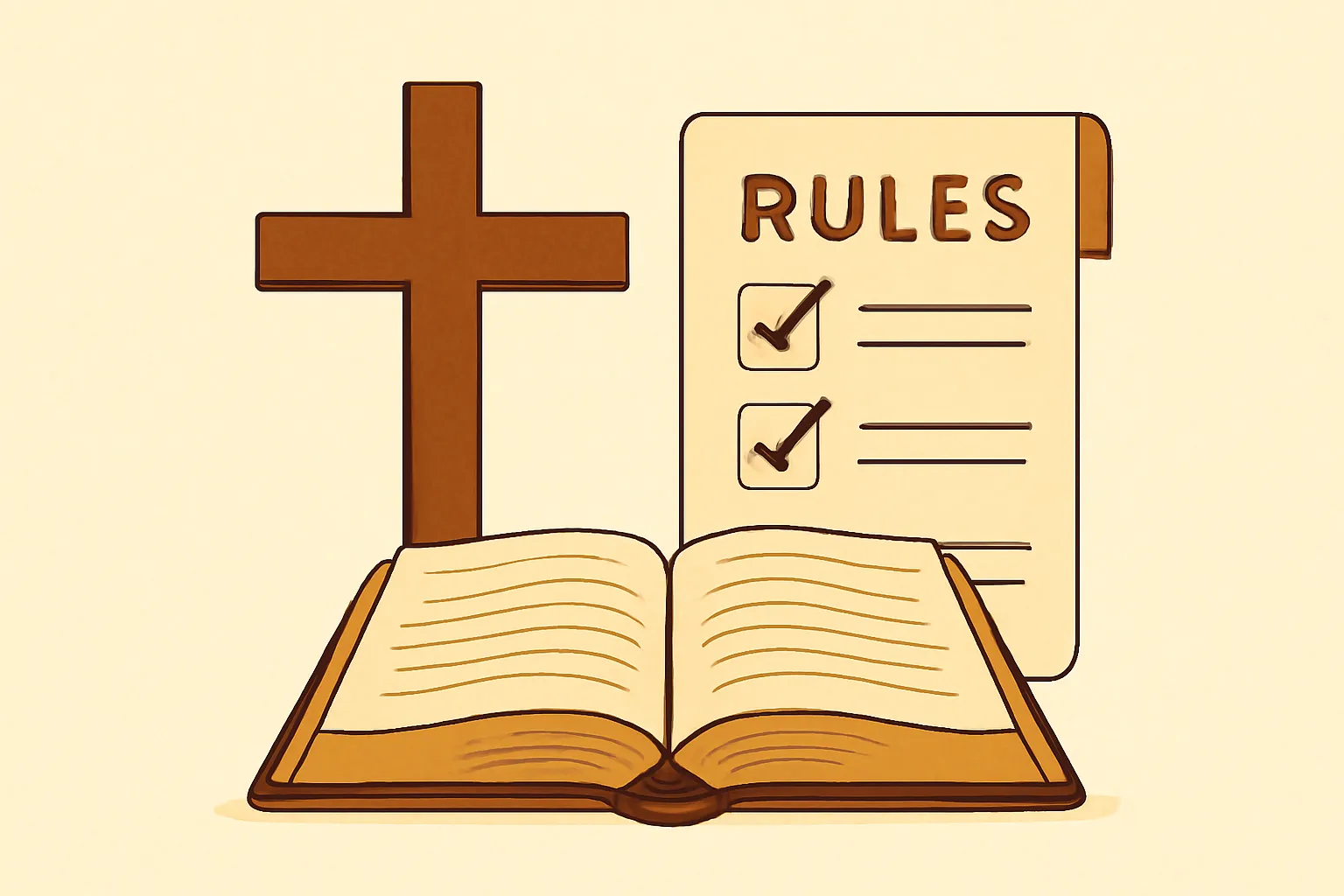
Christianity presents a distinctive approach to rules and ethical guidance. Rather than a mere set of do’s and don’ts, the faith frames moral living as growth in relationship with God, neighbor, and creation. The following sections outline the core principles, key ethical directives, and practical guidelines that shape the everyday life of Christians across traditions. This article uses variations of phrases like rules of Christianity, principles of Christianity, moral guidelines in Christian ethics, and biblical law in Christian practice to reflect how communities speak about these topics in different contexts.
At the heart of Christian moral life lie foundational convictions about God, humanity, and salvation. These convictions shape how believers interpret and apply rules in daily life. Broadly speaking, the core principles can be described as follows:
Love as the guiding aim. Christian ethics centers on love—not merely as a feeling but as a transformative practice that orders thoughts, words, and actions toward the good of others and the glory of God.
L ove of God and neighbor. The twofold commandment—loving God with all one’s heart and loving one’s neighbor as oneself—constitutes the concise summary of moral obligation across many Christian traditions.
Grace and obedience. Moral life is enabled by grace—the unmerited gift of God—while also inviting sincere response through obedience and renewal of the inner person.
Truth-telling and integrity. Honesty, transparency, and consistency between belief and behavior are emphasized as evidence of genuine faith.
Mercy, forgiveness, and reconciliation. Christian standards encourage acts of mercy and the willingness to forgive, seeking reconciliation rather than retaliation.
Stewardship of creation. Humans are entrusted with responsibility toward the natural world, including care for resources, creatures, and future generations.
Across denominations, these principles take shape through a tapestry of teachings, traditions, and practices. They are expressed most clearly in scriptures, in the life of Jesus, in church teaching, and in communal discernment about how best to live in faithfulness to God’s will. When people speak of the rules of Christianity or Christian ethical guidelines, they are often describing how these core principles translate into concrete choices in family life, work, civic engagement, and personal conduct.
The Law of Love: The Greatest Commandment and Its Implication
Among the most influential articulations of Christian ethics is the emphasis on love as the principle that orients all other commandments. The Great Commandment—to love God with all one’s heart, soul, and mind, and to love one’s neighbor as oneself—provides a normative standard for behavior. This governing ethic has several implications:
Prioritizing relationships over personal advantage. Decisions are weighed by their impact on the well-being of others and the cultivation of communal harmony.
Valuing each person’s dignity. The belief that every person bears the image of the divine shapes considerations of justice, fairness, and human rights.
Seeking the common good. Ethical choices aim to promote peace, social flourishing, and protection for the vulnerable.
The law of love also intersects with how Christians read scripture. The twofold commandment frames other laws as means to serve love and not merely as ritual obligations. In practical terms, this means converting abstract principles into concrete acts—visiting the lonely, feeding the hungry, and advocating for justice—out of a desire to reflect God’s love in the world.
Key Scriptural Foundations: The Ten Commandments, the Sermon on the Mount, and the Beatitudes
Many discussions of the rules of Christianity begin with the biblical law and the teachings of Jesus. Three focal areas consistently influence Christian ethical instruction:
The Ten Commandments as Moral Boundaries
The Ten Commandments are widely treated as a framework for right living. They outline duties toward God (such as worshiping no other gods and honoring God’s name) and duties toward other people (such as honoring parents, prohibiting murder, theft, false testimony, and coveting). Within Christian ethics, these commandments are often interpreted not as a legalistic checklist but as spiritual principles that cultivate trust, fidelity, and respect for others. Key themes include:
Affection for God evidenced through worshipful devotion, integrity, and obedience.
Respect for human life and property, which grounds concerns for safety, justice, and social order.
Commitment to truth and fidelity in words and actions.
The Sermon on the Mount: Ethic of the Kingdom
Jesus’ teachings in the Sermon on the Mount broaden the scope of ethical instruction beyond legal compliance to interior transformation. Central elements include:
Blessed dispositions such as humility, mercy, and purity of heart—the Beatitudes.
Righteousness that exceeds mere outward conformity, inviting sincerity and integrity in worship, prayer, and everyday conduct.
Nonretaliation and radical love toward enemies, challenging believers to pursue reconciliation even when wronged.
The Beatitudes and the Ethic of the Kingdom
The Beatitudes expand the Christian moral imagination by naming the values of God’s kingdom—comfort for the afflicted, mercy for the persecuted, and a hunger for righteousness. They describe not only inner dispositions but outward generosity toward others and a hopeful posture toward suffering, recognizing that authentic righteousness arises from dependence on God’s grace.
Practical Ethical Guidelines: How the Rules of Christianity Shape Daily Life
While the principles of Christianity are universal, their application depends on context. The following areas illustrate how the core teachings translate into practical guidelines that many Christians seek to follow:
Relationships and Family Life
Commitment, fidelity, and mutual respect within marriages and households as a wholistic expression of love for neighbor.
Parenting with gentleness and instruction, guiding children in truth while modeling grace and patience.
Honesty and transparency in family communications to foster trust and security.
Work, Commerce, and Public Life
Integrity in business, including fair dealing, honest advertising, and responsible stewardship of resources.
Equity and justice in the workplace, with attention to the vulnerable, fair wages, and respectful treatment of colleagues.
Peacemaking and civic virtue, engaging society with humility and courage to pursue the common good.
Charity, Generosity, and Community Service
Acts of mercy toward the poor, the marginalized, and the sick, reflecting God’s compassion.
Hospitality and service as practical expressions of neighbor love, often organized through congregations and charities.
Stewardship of generosity, including tithes, offerings, and responsible use of resources for the benefit of others.
Truth-telling, Integrity, and Moral Courage
Truthfulness in speech and avoidance of deceit or manipulation.
Courage to stand for justice, even when it is costly or unpopular.
Humility in success, acknowledging dependence on God and recognizing the gifts of others.
Forgiveness and Reconciliation in Community
Forgiveness as a daily discipline, enabling healing and restoration within relationships.
Reconciliation processes in communities, churches, and families to address harm and restore trust.
Non-retaliation and grace as alternatives to cycles of conflict and vengeance.
Social Ethics: Justice, Mercy, and the Common Good
Christian ethical guidelines frequently engage issues of social justice and public policy. The rules of Christianity in this domain emphasize:
Care for the vulnerable—the poor, the elderly, the disabled, refugees, and those facing discrimination or persecution.
Justice tempered by mercy—policies and practices that seek to rectify wrongs without crushing the dignity of individuals.
Peacemaking and reconciliation in both personal relations and international affairs, guided by a commitment to nonviolence where possible.
Environmental stewardship—recognizing responsibility to God’s creation and sustainability for future generations.
The moral responsibilities toward creation are increasingly emphasized in Christian discourse. This includes prudent use of resources, reducing waste, and promoting sustainable practices. The idea of stewardship implies that humans are called not to accumulate wealth or power for its own sake but to manage God’s gifts in ways that honor the divine intention for life, flourishing, and service to others. Practices might include:
Fair labor practices and support for communities affected by environmental and economic pressures.
Reducing harm to ecosystems, including responsible consumption and care for animals and land.
Promoting renewal and care for vulnerable populations affected by environmental issues, such as climate-related migration or health challenges.
Forgiveness, Mercy, and Reconciliation as Core Practices
Forgiveness is not merely a private sentiment but a dynamic practice that shapes relationships and communities. The rules of Christianity often highlight:
Forgiveness as a deliberate choice, not simply a feeling that happens to you.
Mercy that meets needs, demonstrating love through concrete acts of help and support.
Healing and reconciliation, allowing communities to move forward after harm while addressing underlying issues that contributed to conflict.
How Churches Teach, Interpret, and Apply the Rules
There is no monolithic code that covers every situation in Christianity. The way rules are taught and applied varies across traditions, denominations, and local communities. Three broad ways Christians understand and live out their moral guidance are:
Biblical authority. Scripture remains the primary source for guidance, interpreted within the tradition and community of faith.
Tradition and teaching authority. Church histories, creeds, and doctrinal statements help articulate what the gospel means for life in every age.
Pastoral discernment and communal life. Local congregations, pastors, and lay leaders discern how best to apply principles in specific cultural contexts.
Different Christian families emphasize different sources or methods. For example, some traditions highlight a strong continuity with the Ten Commandments and the teachings of the Sermon on the Mount, while others stress sacramental life, liturgical practice, and canonical laws as a framework for moral living. Nevertheless, across these lines, the basic aim remains consistent: to guide adherents toward a life that reflects the character of Christ and serves the good of neighbors and communities.
Canonical and Doctrinal Distinctions: How Rules Vary Across Traditions
To speak responsibly about the rules of Christianity, it is important to acknowledge how different traditions articulate and enforce ethical norms. Some prominent distinctions include:
Catholic and Orthodox Traditions: Law, Sacraments, and Moral Teaching
Canon law and moral theology shape how individuals and communities live out ethical obligations within the church and society.
Sacraments as moral signposts, through which believers receive grace that empowers righteous living.
Tradition and the magisterial teaching provide interpretive anchors for conscience and action.
Protestant and Evangelical Traditions: Scripture-Centered Ethics
Sola scriptura and pastoral guidance in shaping how Christians understand moral duties.
Personal conscience and community accountability in applying biblical principles to everyday life.
Emphasis on grace and transformation, so rules are framed as responses to God’s call rather than as mere obligations.
Reason, tradition, and scripture as threefold resources for ethical discernment.
Balanced moral discernment that can adapt to contexts while maintaining core values such as love, justice, and mercy.
Narratives of Transformation: The Living Rule of Christian Faith
Across history, Christians have often framed the rules of Christianity not as rigid constraints but as liberating and transformative paths. The idea of grace-enabled obedience suggests that moral life grows through a relationship with God, not merely through willpower. A few stylistic aspects of this living rule include:
Progressive sanctification. The belief that believers are continually formed into Christlikeness through the Spirit, learning to love more fully and practice justice more consistently.
Humility in the journey. Recognizing human limits and dependence on divine help fosters patience and perseverance in moral growth.
Hope amid failure. The possibility of reconciliation, repentance, and renewal keeps the ethical life hopeful rather than condemnatory.
Common Questions About the Rules of Christianity
Readers often ask how these frameworks relate to modern life. Here are concise answers to a few frequent inquiries:
Are Christians obligated to follow the Old Testament Law? Generally, Christians distinguish between moral principles that reflect timeless truths (often reflected in the Ten Commandments and Jesus’ moral teaching) and ceremonial or civil laws specific to ancient Israel. The emphasis is on abiding by universal moral principles while interpreting ceremonial laws through the lens of Christ’s life and teaching.
What about moral gray areas? Christians rely on a combination of scripture, tradition, reason, and conscience to discern best practices in complex situations. Community discernment and pastoral guidance often help resolve ambiguous cases.
How do rules relate to grace? Grace does not cancel ethical obligations; rather, it empowers obedience. The motive for living ethically is gratitude for God’s love, not fear of punishment.
Practical Guide: How to Engage with the Rules of Christianity in Everyday Life
For readers seeking a practical starting point, here is a compact guide to living the core principles in contemporary settings. These steps are not exhaustive, but they illustrate how core principles become daily steps:
Begin with prayer and reflection. Seek alignment with God’s will and ask for the strength to live out the moral life with sincerity.
Practice neighbor-love in small ways. Do simple acts of kindness, listen deeply, and offer practical help to those in need.
Cultivate honesty and integrity. Speak truth, keep promises, and address mistakes openly.
Forgive and pursue reconciliation. Let forgiveness break cycles of grievance and work toward restored trust.
Advocate for justice and mercy. Support policies and practices that protect the vulnerable and promote human dignity.
Care for creation. Make environmentally responsible choices and teach others to do the same.
Participate in your faith community. Engage with mentors, pastors, or teachers who can guide your moral growth and accountability.
A Final Reflection: The Balance of Law and Relationship
In sum, the rules of Christianity or Christian ethical guidelines are best understood as a living framework for living well before God and neighbors. They are grounded in a relationship with Christ, shaped by scriptures and tradition, and tested in daily life through acts of love, justice, and mercy. Christians hold that the right conduct flows from a transformed heart, which itself is a gift of grace. Consequently, the ethical life is neither a dry code nor a purely subjective stance; it is a dynamic pathway that guides believers toward flourishing for themselves and for those around them.
As communities continue to interpret and apply these directives, diverse expressions of rules of Christianity will emerge. Yet across cultures and eras, the constancy remains: live by the command to love God and to love neighbor, embody the mercy of God, act with integrity, pursue justice, and steward all of creation with care. In this way, the core principles and the ethical guidelines of Christianity invite believers into a hopeful, practical, and transformative way of life.

 Por Laura Jara