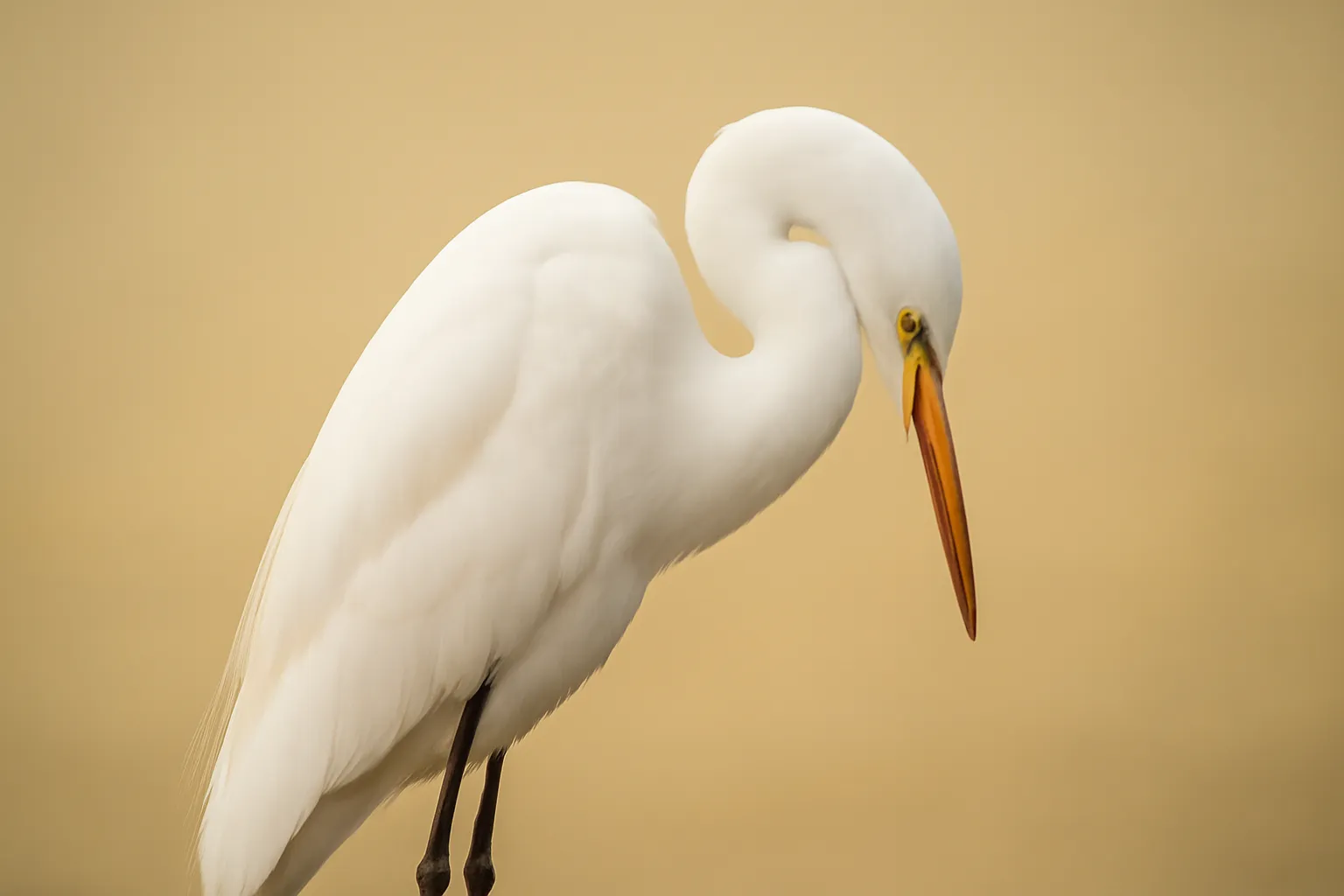
Airone Prayer is a nature-inspired contemplative practice that draws on the symbolism of the heron (airone) to cultivate presence, listening, and a gentle, attentive relation to the world around us. This article explores the meaning, the possible origins, and practical ways to practice and adapt the Airone Prayer in daily life. Known in some circles as the Heron Invocation or the Airone Salutation, this approach is not tied to a single religious tradition. Instead, it embraces a flexible framework that honors water, air, earth, and life’s cycles through mindful breathing, quiet observation, and respectful ritual. The following sections offer a thorough guide for beginners and for seasoned practitioners alike, with variations that broaden its semantic reach while remaining rooted in core principles.
At its heart, the Airone Prayer invites a shift from passive thinking to present-moment awareness. It is less about performing a fixed sequence and more about entering a state of receptive attention—a posture of listening to inner cues and outer surroundings with patience and tenderness. The practice often centers on five interwoven themes:
Presence and stillness as a calm center in a noisy world
Patience and the virtue of waiting for the right moment, like the heron awaiting its strike
Observation without judgment, learning from what is seen and felt in the body and landscape
Breath as a bridge between inner states and outer reality
Respect for life and a sense of responsibility toward wetlands, rivers, and communities that share those habitats
The term airone (Italian for “heron”) anchors the practice in a vivid animal image. The heron is typically associated with water and the edge of two worlds—the shore and the stream, the visible and the elusive—thereby making it a fitting symbol for excursions into liminal space. In many descriptions of the Airone Prayer, the bird’s slow, deliberate movements become a model for how we might approach thought, emotion, and the day’s tasks: with grace, focus, and careful attention.
The heron is more than a bird in the story of the Airone Prayer; it is a symbol that carries layers of meaning. Across cultures and ecological traditions, the heron carries several resonant associations:
Patience and timing: The heron stands still for long periods, then moves precisely when the moment is right. In practice, this becomes a metaphor for recognizing when to act versus when to wait.
Connection to water: Water is both a literal and symbolic element—an interface between thoughts, emotions, and the physical world. Water represents flow, cleansing, and renewal.
Transition and thresholds: The heron often stands at the boundary of two environments—the river and the shore—echoing the practice’s interest in liminal spaces, thresholds, and turning points in life.
Perspective and direction: With its keen sight and long gaze, the heron invites a wider, clearer perspective and a careful, considered direction in action.
Because the Airone Prayer is practiced within a broad, inclusive spiritual framework, the heron’s symbolism can be expanded to reflect local birds, wetlands, or landscapes that hold personal meaning for practitioners. The core idea remains constant: to learn from a patient, attentive rhythm that honors the natural world while also honoring inner experience.
Origins and historical context of the Airone Prayer
The precise historical lineage of the Airone Prayer is not tied to one ancient text or single lineage. Rather, it sits at the intersection of several trajectories:
Nature-based spiritualities: Across many cultures in Europe, North America, and beyond, people have sought forms of practice that reconnect them with the land and its living beings. The Airone Prayer echoes these impulses by centering observation, humility, and reciprocity with ecosystems such as wetlands and rivers.
Mindfulness and contemplative practice: Influences from modern mindfulness and meditation traditions—especially those that emphasize breath, body awareness, and non-judgmental awareness—are woven into how the Airone Prayer is often taught and experienced today.
Neo-shamanic and ecological spiritualities: In recent decades, there has been an openness to working with animal symbols, elemental imagery, and ecological ethics as gateways to personal growth and social responsibility. The Airone Prayer is frequently described in this light, as a practice that blends inner work with outer care for wetlands and water systems.
Several features help define its modern development:
An emphasis on flexibility and adaptation to local environments and personal belief systems.
A focus on ethical reciprocity with the natural world—stewardship of wetlands, responsible observation, and minimal impact in wild places.
A willingness to name and work with the tensions between stillness and action—how to hold a quiet mind while navigating daily responsibilities.
It is important to recognize that many practitioners approach the Airone Prayer as a living tradition that evolves with communities and landscapes. There is a strong emphasis on contextual sensitivity—to one’s own cultural background, to the local environment, and to the people who share the space for practice. In this sense, the Airone Prayer is less about rigid dogma and more about a shared method for cultivating clarity, compassion, and care.
How to practice the Airone Prayer
Practical engagement with the Airone Prayer typically involves three layers: a basic solo routine suitable for daily use, a expanded ritual for longer sessions near water or in natural settings, and group or community adaptations that honor shared space and collective intention.
A concise starter routine
Set a quiet space (physically or mentally). If you can, sit near water or in a place where you can observe nature’s rhythms.
Grounding breath: Inhale for a count of four, exhale for a count of six. Let the exhale be longer to ease tension.
Posture and gaze: Sit or stand with a lengthened spine. Let your gaze rest softly on a distant point or the surface of water if present.
Observation: Allow thoughts to rise and fall without clinging. Return your attention to the breath and to the landscape.
Invocation or language of intention: Silently or aloud, invite the energy of the airone—the patient watcher—into your practice. For example: “Airone, guide my breath; help me see with calm edges and clear timing.”
Breath-integrated stillness: Maintain the slow, even breathing while letting the mind settle into a gentle stillness.
Closing: Offer gratitude for the time spent, and seal the practice with a light ritual such as a bow toward the horizon, a whispered thanks, or a small gesture of reciprocity with the land (like leaving no trace and picking up any litter you encounter).
Expanded practice near water or in a natural setting
Move in stages from a standing posture to a poised, almost still stance, mirroring the heron’s approach to sudden, precise action.
Breath cycles with landscape cues: Inhale as you observe rippling water; exhale as you release tension on the shoreline. Use environmental sounds as anchors (birdsong, wind through reeds, distant water movement).
Kinesthetic awareness: Extend attention to the body’s sensations—the feet grounding into the earth, the shoulders releasing, the jaw softening.
Interludes for listening: After a few minutes of stillness, listen for subtler sounds—the hush between waves, the rustle of grasses, the breath of the wind—allowing the environment to speak back.
Ritual tools: If desired, use a simple object such as a feather, a small stone, or a shell as a focal point to symbolize the Airone’s presence and to remind you of your intention.
In a group setting, the practice can deepen through shared intention and mutual listening. The group might:
Begin with a short circle of introductions and a collective breath awareness exercise.
Share a quiet moment of collective observation, with each member noting one aspect they notice in the environment or within themselves.
Offer a short invocation or a collective reading of a nature-inspired verse, followed by a period of silent listening.
Close with a gratitude circle where each participant acknowledges something they learned or appreciated during the gathering.
Variations and semantic breadth: different names and emphases
While the central practice remains the same, many practitioners refer to the Airone Prayer using a variety of names and emphases to reflect culture, locale, or personal resonance. These variations help broaden its semantic field and make the practice more accessible to diverse communities:
Airone Salutation: Emphasizes greeting the day or the landscape with the courteous posture of a heron at water’s edge.
Heron Invocation: Frames the practice as a ceremonial call to the bird-as-guide, inviting its qualities of patience and precision.
Heron Meditation: Centers the practice within a formal meditation structure, often with stricter breath cycles and longer periods of silence.
Water-edge Contemplation: Focuses on the water’s edge as a threshold between realms and a place to practice presence and transition.
Wetland Prayer: Broadens the imagery to include the entire wetland ecosystem, encouraging care for habitat and biodiversity.
Each variation can be adapted to fit different cultural backgrounds, personal beliefs, and environmental contexts. The common thread across these forms is not a fixed rite but a shared intention: to observe, to breathe, and to respond with care to the living world.
Practical considerations and ethical dimension
Because the Airone Prayer is ecologically oriented and personally meaningful, it carries an ethical dimension. Practitioners are encouraged to practice with respect for local ecosystems and to leave no trace in outdoor settings. Some guiding principles observed by many groups include:
Nonintrusive observation: Observe without disturbing wildlife or habitats; keep voices and movements calm and minimal.
Respect for local cultures: Acknowledge and honor indigenous and local traditions related to birds, water, and land management where applicable.
Reciprocity: Consider ways to contribute back to the environment, such as volunteering for wetlands conservation or supporting restoration projects.
Accessibility: Adapt practices to be inclusive, offering chair-friendly positions, shorter sessions, and clear guidance for beginners.
The Airone Prayer also invites a humbler stance toward the unknown. Its emphasis on openness to what the landscape reveals can help practitioners navigate uncertainty with steadiness, much like the heron that waits for the right moment to move.
Creating a personal practice plan
If you are interested in incorporating the Airone Prayer into your routine, consider designing a personalized plan that fits your schedule, location, and goals. Here’s a simple framework you can adapt:
Define your intention: Clarify what you want to cultivate—calm focus, embodied presence, or a stronger connection to nature.
Choose a setting: A place that evokes the airone’s habitat—near a body of water, a lakeside path, a park with a pond, or a quiet riverside spot.
Set a duration: Start with 5–10 minutes per session and gradually extend to 20–30 minutes as you feel comfortable.
Develop a simple sequence: Grounding breath, gentle observation, a short invocation or intention, a period of stillness, and a closing gesture.
Record and reflect: Keep a simple journal of your observations, how you felt, and any shifts in mood or thought patterns.
Over time, you may add elements such as music of natural surroundings, a feather or symbol as a focal point, or a short reading about birds, water, or rivers. The flexibility of the Airone Prayer is one of its greatest strengths, allowing you to adapt it to your personal beliefs while retaining core practices of presence and reverence.
Frequently asked questions about the Airone Prayer
No. The Airone Prayer is best described as a nature-based contemplative practice that can complement many belief systems. It is open to people of diverse backgrounds and can be practiced within or outside of formal religious contexts.
Do I need to be near water to practice?
While water imagery is central to the Airone’s symbolism, you do not need to be beside a lake or stream to practice. You can use indoor environments and still evoke the water motif through your breath, visualization, and a small water feature or image. If you can access a natural site, however, the practice tends to be richer and more tangible.
Can I adapt the practice to my tradition?
Absolutely. One of the strengths of the Airone Prayer is its ecumenical and adaptive nature. You can incorporate prayers, invocations, or meditative prompts that align with your own spiritual or secular framework, as long as the core values of presence, reverence, and care for life remain intact.
Start gently. Short, frequent sessions are often more effective than occasional longer ones. Use the Airone Prayer as a way to familiarize yourself with a nonjudgmental, curious mind and a kind body. Seek guidance from teachers or communities that resonate with your values, and remember that consistency matters more than intensity.
Conclusion: embracing the Airone’s mindful edge
The Airone Prayer offers a practical, flexible, and meaningful framework for cultivating inner clarity while fostering a respectful relationship with wetlands and the broader natural world. By drawing on the heron’s symbolism—patience, precision, and presence—this practice invites participants to move through daily life with a more deliberate rhythm: to wait for the right moment, to breathe fully, and to act with integrity when the moment arrives. Its variations—from the Airone Salutation to the Water-edge Contemplation—allow the practice to travel across cultures and settings while retaining a shared core: attentive listening, compassionate response, and a reverence for life in all its forms. Whether you are seeking a brief moment of calm during a busy day or a longer, more immersive ritual near a river, the Airone Prayer is a versatile invitation to cultivate presence, patience, and a more attuned relationship with the living world.
If you are ready to begin, you might start with a single five-minute session today, focusing on your breath and on noticing what the landscape offers your senses. With regular practice, you may discover that the Airone Prayer provides not only a path to inner ease but also a way to engage with your local wetlands and ecosystems more thoughtfully. The practice’s enduring appeal lies in its blend of quiet personal transformation and a shared ethic of care—an invitation to live with open eyes, a patient heart, and a respectful hand toward the communities of water, air, and land that sustain us all.

 Por Laura Jara