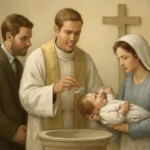
Baptism preparation is more than a checklist or a formal obligation; it is a journey of faith for families. For parents, it lays a spiritual foundation for a child’s life, while for sponsors or godparents, it defines a lifelong role as mentors and witnesses to the child’s growth in faith. The purpose of this guide — titled Baptism Preparation: The Complete Guide for Parents and Sponsors — is to provide a practical, faith-filled roadmap that helps you move from initial decision to confident participation in the baptismal rite, with clarity about responsibilities, timelines, and sacred symbolism.
In many Christian communities, baptism is considered a season-defining moment: a public confession of faith, an entry into the church, and a commitment to nurture the child’s spiritual life. Preparing well means understanding the theology of baptism, aligning family practices with the parish’s expectations, and building a partnership between parents, sponsors, and the broader church community. This article offers a broad, cross-denominational perspective while highlighting common elements you’re likely to encounter in most parishes.
Understanding Baptism: The Meaning of the Sacrament
Baptism is often described as the sacramental entry into the life of grace. While the exact theological emphasis can vary by tradition, several core ideas are widely shared:
Water as a sign of cleansing, renewal, and birth into a new life in Christ.
Oil (Chrism) as a recognition of belonging to Christ and a commissioning for a mission in the world.
White garment as a sign of the child’s new life and innocence in Christ.
Candle as a symbol of light shining in the darkness and the responsibility to live as a disciple of Jesus.
Promises made by parents and sponsors to raise the child in the faith and to support ongoing growth in prayer, virtue, and worship.
Different Christian traditions place varying emphasis on these signs. Some emphasize infant acceptance into a faith community; others emphasize personal decision and baptism as a mature, conscious choice. Regardless of denomination, the structure of baptism preparation typically involves education, selection of sponsors, and participation in a ritual that celebrates new life in God.
Who Is Involved: Parents, Sponsors, and the Church Community
A baptism gathers a small circle of key participants, each with meaningful responsibilities. The main roles are:
Parents or legal guardians who commit to guiding the child’s faith formation, regular prayer, and participation in the parish’s catechetical life.
Sponsors or godparents who publicly witness the baptism and promise to support the child’s spiritual journey over the years. In many traditions, there are qualifications for sponsors that reflect their own faith life and consistency with the child’s upbringing.
Pastor, priest, or deacon who administers the sacrament and provides instruction, formation resources, and logistical coordination.
Church community that welcomes the child and family, prays for them, and supports ongoing faith development through liturgy, catechesis, and parish activities.
The idea of a shared responsibility is central. When parents and sponsors commit to faith formation in tandem with the church, the baptism becomes not a one-day event but the first chapter of a long spiritual journey.
Timeline and Steps: A Practical Roadmap for Preparation
Preparing for baptism unfolds most smoothly when you follow a clear sequence. The steps below are designed to be practical while honoring the sacred meaning of the rite.
1. Decide and Confirm Your Intent
Before you engage with a parish, take time to discern your intention. Reflect on:
The desired date or season for the baptism (often family-oriented times like around Christmas or Easter are popular).
Whether you’re seeking infant baptism, baptism later in childhood, or baptism for an adult who recently embraced the faith.
Which parish or church community best reflects your family’s faith life and values.
2. Contact Your Parish and Schedule a Meeting
Reach out to the parish office or the relevant church administrator to express interest in baptism. Request information about:
Required documents (birth certificate for the child, proof of identity for parents, etc.).
Upcoming baptism preparation classes or sessions (sometimes called “Baptism Preparation Class” or “Catholic Essentials”).
Available dates for the sacrament and any weekend liturgy constraints.
Most parishes require attendance at a baptism preparation class or a formation session. These sessions provide:
Overview of the baptismal vows, religious education, and the practicalities of the ceremony.
Information about the role of the godparents and how to select them.
Guidance on how to begin or enrich the family’s home prayer life and catechesis after baptism.
4. Choose Godparents and Gather Declarations
Sponsor selection is a meaningful step with potential requirements:
Most parishes expect at least one sponsor (godparent) who is a baptized and confirmed member and who leads a life of faith in harmony with the church’s teaching.
In many traditions, sponsors must be a certain age, typically 16 or older, and must be actively practicing the faith.
Some parishes require sponsor declarations or letters of eligibility to confirm they meet the church’s criteria.
5. Complete Documentation and Registration
You’ll typically need:
A formal baptism registration form specific to the parish.
A copy of the child’s birth certificate and, if applicable, baptismal eligibility forms for sponsors.
Contact information for the parents and sponsors, plus any consent forms required by the diocese or denomination.
6. Schedule the Ceremony and Plan the Liturgy
Once paperwork is in order and the class is complete, you’ll coordinate the date and time of the baptism with the parish. Some families use a weekend Mass; others may have weekday rites. Consider:
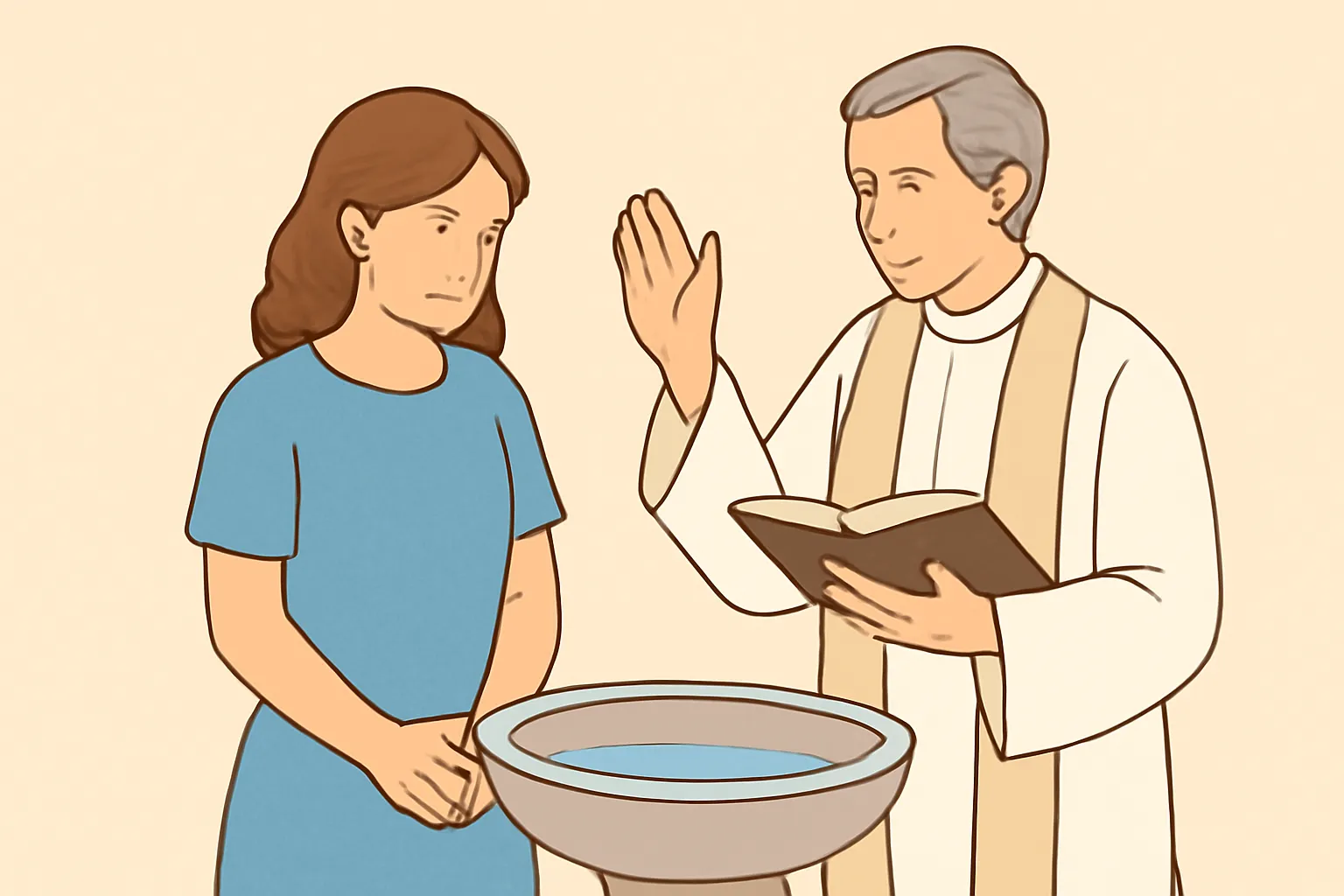
Chosen baptismal font or water source visibility during the ceremony.
Whether to involve music, readings, or a short blessing outside the standard rite.
Logistics for guests, photography, and post-ceremony gathering.
7. Begin Home Preparation and Catechesis
Use the weeks before the baptism to engage in home catechesis and prayer routines that surround the ceremony with meaning. This might include:
Family prayers, such as the Sign of the Cross, the Lord’s Prayer, and a simple rite of blessing for the child.
Reading age-appropriate children’s catechesis or parent-guided material about baptism.
Discussions with sponsors about their intended role and ongoing support.
8. Prepare for the Day Itself
On the day of the baptism, arrive early, bring required documents, and plan to participate fully in the liturgy. It is helpful to discuss with the priest or deacon any last-minute details, such as:
Where the family should stand or sit during the rite.
When to present the child to the assembly and how to handle the baptismal candle and the white garment, if used.
Any post-ceremony traditions your parish may observe (e.g., a short blessing or a photo opportunity).
Becoming a Sponsor: The Responsibilities of Godparents
Sponsors play a pivotal role in the spiritual life of the child. Understanding the expectations helps ensure that the chosen godparents are prepared to support the child’s faith journey in a meaningful way.
What Denominations Often Require
Baptized and confirmed members who are actively participating in church life.
Demonstrated faithfulness and alignment with the church’s teachings and moral life.
Age requirements, often a minimum of 16 years old, though some parishes may set higher thresholds.
A commitment to be a spiritual mentor, not merely a ceremonial appointment.
Practical Considerations for Sponsors
Sponsors should consider the following before accepting the role:
Availability for regular prayer, spiritual conversations, and opportunities to model Christian life for the child.
Willingness to participate in the child’s catechetical formation as the child grows (e.g., Sunday school, faith formation classes, sacraments preparation).
Clear communication with the parents about responsibilities and expectations.
Being prepared to travel to the ceremony if invited from a distance and to participate in post-baptism activities such as family prayers or parochial events.
What If You Don’t Meet All Requirements?
If a godparent does not perfectly meet every criterion, talk openly with the parish staff. Some parishes may offer interim steps, like a path toward eligibility or the option for a stand-in sponsor for specific parts of the rite. The most important aim is a sincere commitment to the child’s spiritual growth and a consistent example of faith.
The Baptism Ceremony: Liturgical Elements and Meaning
The baptism ceremony combines ritual actions with symbolic prayers. While the exact order can vary by denomination, several core elements recur across traditions:
Water immersion or pouring as the essential rite of initiation.
Declarations of faith by the parents and, where required, by the sponsors.
Anointing with oil as a sign of belonging to Christ.
Presentation of a white garment to symbolize new life in Christ.
Lighting of the baptismal candle to signify the light of Christ in the child’s life.
Recitation of the baptismal vows and the parish’s communal prayers for guidance and grace.
Different Expressions Across Traditions
In a Catholic baptism, for example, the rite may additionally include:
Insertion of the child’s name into the book of life as a spiritual record for the parish.
Reception of the chrism on the crown of the child’s head and the liturgical blessing of the parents and sponsors.
Protestant Baptist ceremonies often emphasize the public profession of faith by the parents or guardians and may place less emphasis on sacramental components while preserving the core act of baptism by water and the prayers of the community.
Promises and Commitments: What Parents and Sponsors Mutually Accept
The baptism is both a moment of grace and a commitment to ongoing formation. The promises commonly associated with the rite create a durable covenant for the family:
Parents’ commitment to raise the child in the faith, to teach prayer, to participate in the parish’s religious education, and to model a life shaped by Christ’s teachings.
Sponsors’ commitment to support the child’s faith journey, to be available as a spiritual mentor, and to collaborate with parents and parish leaders in guiding the child toward ongoing sacraments and religious formation.
Church leaders’ role in providing ongoing catechesis, resources, and welcoming the child into the church community.
Practical Ways to Honor the Commitments
Establish a home prayer plan that includes daily prayers, weekly family worship, and seasonal devotions tied to the liturgical calendar.
Participate in ongoing faith formation classes or small groups as a family, and encourage participation in youth or children’s ministries as the child grows.
Attend church and participate in the sacraments, creating a rhythm of worship and service that reinforces the baptismal identity.
Continued Nurture After the Rite
Baptism is not a single event but the opening of a lifelong journey. The church often offers resources such as:
Family devotion guides and age-appropriate catechesis materials.
Recommendation letters or contacts for local catechetical programs.
Opportunities to participate in parish life, such as volunteering, which reinforces community belonging.
Practical Preparations: Home, Parish, and Community
Thoughtful preparation strengthens the faith experience for both the child and the family. Here are practical ideas to implement before and after the baptism:
Home Readiness and Catechesis
Create a simple home catechesis plan that includes short prayers, Scripture stories, and a few discussion prompts about what baptism means.
Include the child in age-appropriate explanations about symbols (water, oil, candle) so the child grows up knowing their meaning.
Involve the sponsors in home prayer and family activities to reinforce their role as faith mentors.
Documentation and Record-Keeping
Keep a master file with essential items:
Child’s birth certificate and baptism date
Copy of the baptismal certificate issued by the parish
Sponsor declarations or letters of eligibility
Notes from baptism preparation classes for future reference
Pastoral and Parish Coordination
For smooth coordination, maintain ongoing communication with:
The parish office staff who handle sacramental records
The priest or deacon who will celebrate the baptism
Confirmation preparation or catechesis coordinators who may help with sponsor catechesis or future sacraments
Practical Tips for a Meaningful Ceremony
Quiet your own expectations about ceremony details; allow the liturgy to guide you in reverence and gratitude.
Plan a light, faith-filled gathering after the ceremony that honors the baby’s first steps in faith, without turning the event into mere spectacle.
Take photographs thoughtfully, ensuring the moment remains meaningful for the child and the family.
Documentation and Eligibility: What Parishes Typically Require
If you have questions about eligibility, the best practice is to schedule a brief consultation with the parish priest or baptism coordinator. They can explain the specific expectations for your community and help you arrange the necessary documents.
The Role of Sponsors After the Baptism
The relationship between sponsors and the baptized child continues beyond the ceremony. Ongoing mentorship, faith formation, and participation in church life are all part of the sponsor’s extended role.
Maintain regular contact with the family to discuss faith life, prayers, and the child’s sacraments preparation as they grow.
Offer to accompany the child to parish events, confirmation preparation, or youth ministry activities when appropriate.
Model a life of faith in daily activities — work, family, service, and worship — so the child can learn by example.
When Sponsorship Is Shared or Deferred
In some cases, families may have multiple sponsors or may choose to defer certain roles to guardians who share the faith life. In such situations, it is important to:
Clarify expectations in writing with the parish and the family.
Communicate an accessible plan for ongoing faith formation that the sponsors and parents can support together.
Keep the lines of communication open so that the child’s spiritual needs are always the priority.
Common Questions and Concerns: Quick Answers for Families
The journey to baptism can raise practical concerns. Here are some frequently asked questions and clear responses to help you proceed with confidence.
Q: Can I baptize my child if we’re not perfectly aligned with the church’s teachings?
Yes, many parishes welcome families who are seeking formation and alignment. Baptism initiation is often followed by ongoing catechesis and participation in the parish community to help the family grow in faith.
Q: What if I can’t find a sponsor who meets all the requirements?
Speak with the parish staff about acceptable alternatives, which may include a temporary sponsor or a plan to complete certain formation milestones. The church often provides flexibility while prioritizing the child’s spiritual welfare.
Q: Is baptism necessary to belong to the church family?
In most traditions, baptism is the canonical entry into the church, a doorway to ongoing sacramental life. It marks the child’s official initiation and invites the family into a lifelong relationship with the parish community.
Q: How soon should we schedule baptism after deciding?
The timing varies by parish. Some churches offer monthly baptisms, while others schedule them around public Masses or feast days. It’s best to ask the parish for the earliest available date after you complete the preparation requirements.
Q: What about godparents who live far away?
Distance is not unusual in our digital age. Sponsors can participate virtually in many steps, while remaining engaged in the child’s faith life. However, most parishes expect the godparents to be physically present for the actual rite, or to coordinate with the clergy about their specific responsibilities if travel is difficult.
Customs Across Traditions: A Brief Overview of Variations
While the central act of baptism is common across many Christian communities, the surrounding customs can differ. A compact sketch helps families anticipate what to expect:
Catholic and some Anglican/Episcopal contexts typically include immersion or pouring, anointing with chrism, a white garment, a baptismal candle, and a formal set of vows recited by the parents and sponsors.
Orthodox traditions often involve full immersion in the font, multiple times in the name of the Father, Son, and Holy Spirit, with a strong emphasis on the sacramental life of the church.
Lutheran and some Protestant communities may emphasize baptism as a sign of grace and incorporate readings, vows, and the receiving of a baptismal candle and robe according to local custom.
Non-denominational or community churches may focus on water symbolism and a personal profession of faith by the family, sometimes with a simplified ceremony and flexible scheduling.
Regardless of tradition, the essential goal remains the same: to welcome a child into the faith community and to commit to a life shaped by love, prayer, and service.
Conclusion: Next Steps on Your Baptism Preparation Journey
Embarking on baptism preparation is a meaningful path that invites families to grow together in faith. By engaging early with your parish, selecting thoughtful sponsors, and embracing home catechesis, you create a sturdy foundation for the child’s spiritual life. The journey is not merely about a day of ceremony but about the daily rhythm of prayer, learning, and living out the promises that baptism signifies.
If you are a parent or a sponsor, take the following practical steps to close this guide with clear momentum:
Contact your parish office and request the baptism preparation class schedule for the coming months.
As you prepare, assemble the required documents and gather potential godparents, ensuring they meet the parish’s criteria.
Begin a simple home catechesis routine, inviting the child into prayer and conversation about faith.
Plan the baptism day in a way that honors both the sacramental meaning and the warmth of family and community.
Remember, the baptism preparation journey is about forming a lifelong relationship with God and with the church. It is a gift you give to your child — a gift that grows in depth as you nurture faith, hope, and love within your family.

 Por Laura Jara