Introduction: Why we take communion and how it shapes belief and practice
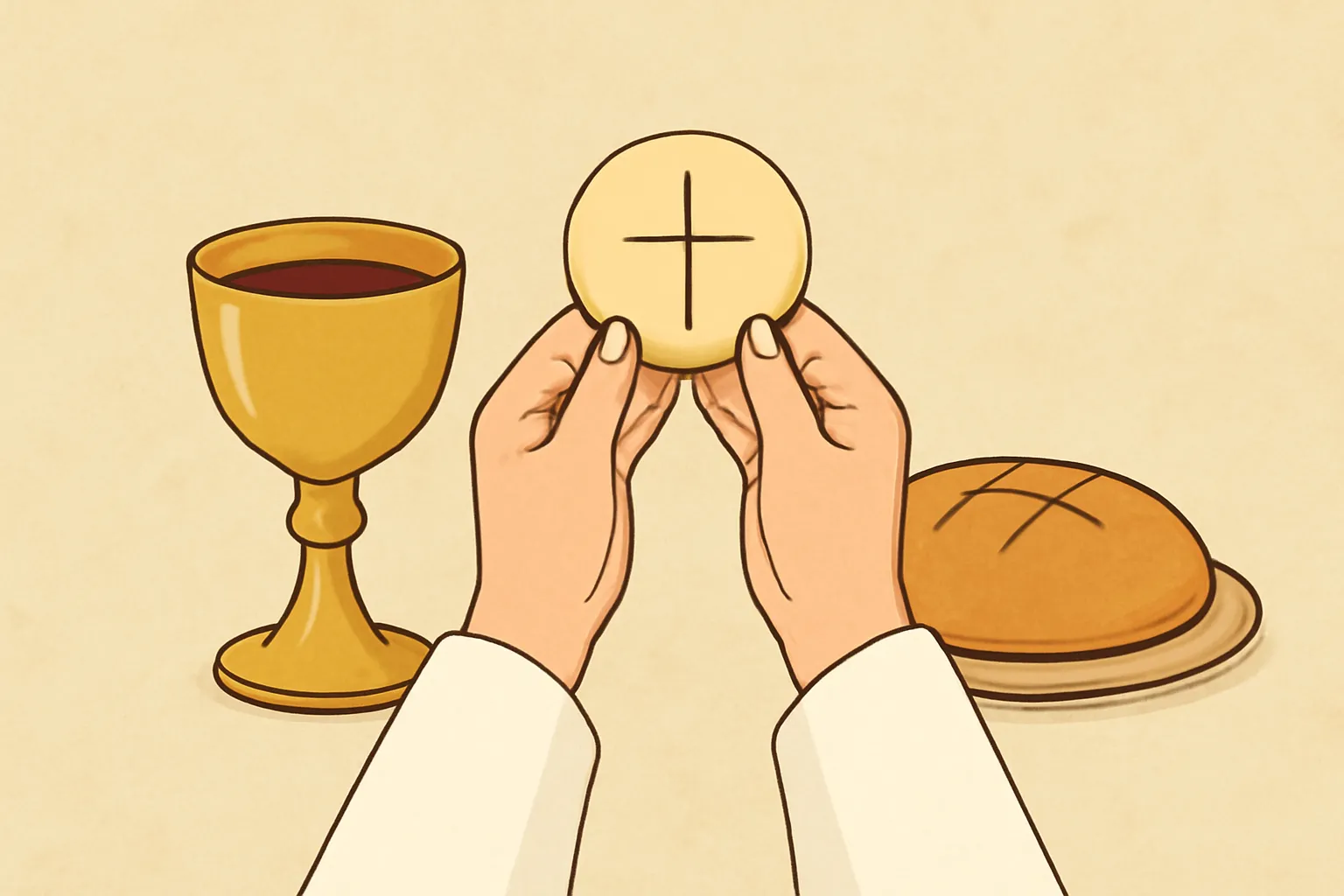
Communion (also called the Lord’s Supper or the table of the Lord) is a practice found in many Christian communities that gathers believers around bread and wine (or their substitutes) as a tangible means of grace. The act is simple in form but rich in meaning, pulling together history, theology, worship, and daily living. In this article, we explore seven distinct reasons why Christians take communion, each offering a different lens on its meaning, significance, and routine. By examining these seven purposes, readers can gain a fuller understanding of how the sacrament functions within worship, spiritual formation, and communal life. Throughout, we will highlight key ideas with bold phrases to underscore the most important themes, while keeping a clear and accessible structure to show how the seven reasons relate to one another.
The seven reasons are not always independently emphasized in the same way across traditions, but together they form a robust matrix for interpretation and practice. As you read, you may notice overlaps—remembrance and proclamation, covenant and forgiveness, nourishment and unity—each reinforcing the others. Whether you come from a liturgical congregation, a evangelical church, or a more contemplative tradition, the practice of communion invites you to participate in a story that is larger than oneself: the story of Jesus, his body, his blood, and his ongoing presence with the gathered people of God.
Reason 1: Remembering Christ’s Sacrifice
The primary and often most explicit purpose of communion is remembrance of Jesus Christ’s sacrifice on the cross. In many church traditions, this act is anchored in Jesus’ own instruction to “do this in remembrance of me,” a directive that situates the meal within a specific event in the gospel narrative and invites believers to revisit its meaning with renewed devotion.
Scriptural Foundations
Luke 22:19–20 — Jesus breaks the bread and says, “This is my body given for you; do this in remembrance of me.” Then he takes the cup, saying, “This cup is the new covenant in my blood, which is poured out for you.”
1 Corinthians 11:23–26 — Paul recounts the same events and urges the church to “proclaim the Lord’s death until he comes” as part of the act of communion.
Matthew 26:26–28 — The institution narrative describes Jesus offering bread as his body and wine as the new covenant blood, given “for many for the forgiveness of sins.”
What this means for believers today
Memory as formation — By remembering, believers are formed in faith, hope, and love, allowing past events to shape present devotion.
Gratitude and awe — The ritual leads to thankfulness for God’s work in Jesus, inviting believers into a posture of humility before grace.
Historical continuity — Communion connects the church across generations, linking today’s worship with the first believers who gathered around the same table.
Practice and teaching in contemporary worship
Periodic remembrance — Many congregations include communion at regular intervals (weekly, monthly, or on special occasions) to keep the memory vibrant.
Symbolic simplicity — Bread and cup (often bread and wine, or alternatives) stand for a simple, accessible act that anyone who belongs to the community can participate in.
Quiet reverence — In some traditions, a reflective or penitential dimension accompanies the moment of remembrance, inviting introspection about one’s life and faith.
Variation across traditions
Concentration on the memorial aspect in some Protestant churches emphasizes remembrance as the primary purpose.
Eucharistic devotion in liturgical contexts treats the act as a sacred mystery where Christ’s presence is experienced in the bread and wine.
Reason 2: Proclaiming the Lord’s Death
A closely related purpose to remembrance is the proclamation of the crucified and risen Lord. The meal becomes a public declaration—an observable sign—that testifies to the central event of Christian faith: Jesus’ sacrificial death and the hope of his return.
1 Corinthians 11:26 — “As often as you eat this bread and drink this cup, you proclaim the Lord’s death until he comes.”
Romans 10:9–10 (contextual relevance) — While not about the sacrament directly, it underlines the importance of confessing Jesus as Lord, which communion reinforces in a public act.
What this means for believers today
Public witness — Communion becomes a shared confession with the community and, by extension, with the world that God has acted decisively in Jesus.
Expectation of vindication — The act points to the future return of Christ and the ultimate fulfillment of God’s promises.
Community identity — The rite reinforces a shared story that binds believers together in faith and purpose.
Practice and context
Liturgical framing — In some churches, the proclamation aspect is highlighted through liturgical prayers, confessions, or creedal statements preceding or following the meal.
Teaching moments — Sermons or catechetical moments may accompany the meal to unpack the significance of Christ’s death and resurrection in contemporary life.
Variation across traditions
Alleluia or lament tones may accompany the rite, reflecting how a community processes victory and the cost of redemption.
Frequency of proclamation can vary; some communities emphasize it as the central message of the gathering, others weave it more subtly into worship.
Reason 3: Participation in the Body and Blood of Christ
Communion is often described as participation in the body and the blood of Christ, which carries a strong sense of unity and belonging. The act signifies more than memory or proclamation; it embodies a real participation in the life of Christ and in the community that he builds.
Scriptural Foundations
1 Corinthians 10:16–17 — “Is not the cup of thanksgiving for which we give thanks a participation in the blood of Christ? Is not the bread that we break a participation in the body of Christ? Because there is one loaf, we, who are many, are one body, for we all share the one loaf.”
John 6:53–57 (the broader Johannine context) — Jesus speaks of eating his flesh and drinking his blood, underscoring intimate participation in his life; while not all churches interpret this passage liturgically in the same way, it informs the sense of deep union.
What this means for believers today
Unity in the body — Communion signals that all participants are part of one body, regardless of background or status, sharing a common meal and a common faith.
Spiritual identification — Believers identify themselves with Christ’s life, death, and resurrection as a living member of his community.
Interconnectedness — The act reinforces mutual accountability, care, and support within the local faith community.
Practice and setting
Open table versus closed table — Some communities welcome all members of the faith to partake, while others practice a more restricted invitation, reflecting communal discernment.
Visible unity — The shared cup or common loaf can symbolize reconciliation among believers who may have disagreements or tensions.
Variation across traditions
Real presence debates — In some traditions, the idea of Christ’s actual presence in the elements shapes the contemplation during participation, while others emphasize spiritual presence through faith.
Ways of receiving — Some traditions use intinction (dipping the bread into the cup), others use individual cups, and others retain a single loaf and a single cup with different practices around handling the elements.
Reason 4: Fellowship and Community
Beyond memory, proclamation, and participation, communion is a powerful expression of fellowship and community. It brings together believers in a tangible way that mirrors the heavenly banquet and reflects the unity of God’s people on earth.
Scriptural Foundations
Acts 2:42–46 — Early Christians shared meals, taught, prayed, and lived in generous fellowship, foregrounding community as a hallmark of the church life.
1 John 1:7 — Walking in the light together with others in the fellowship of believers is illustrated through shared life and mutual accountability.
mutual affection — Communion cultivates affection and care for one another, turning individual faith into communal practice.
inclusion and hospitality — The table becomes a space of welcome, where differences are navigated through shared worship and shared nourishment.
service beyond the table — The peace and solidarity generated at the table often spills into acts of service, justice, and outreach.
Practice and rhythm
Shared rhythm — Regular communion helps establish a rhythmic pattern of grace in the life of a faith community.
Prayerful setting — The environment around the table is often marked by reverence, corporate prayer, and opportunities for personal confession and blessing.
Variation across traditions
Table fellowship emphasis in some circles foregrounds hospitality and community-building as central aims of the rite.
Quiet nocturnes in more contemplative liturgies focuses on the inward discernment of community belonging and reconciliation.
Reason 5: Spiritual Nourishment and Forgiveness
Communion can be described as spiritual nourishment that includes forgiveness and renewal. The ritual is often understood as a channel through which grace is received, strengthening faith, reorienting the will, and restoring the heart toward God.
Scriptural Foundations
1 Corinthians 11:27–29 — Paul warns against partaking in an unworthy manner, highlighting the need for self-examination and humility before receiving the grace offered in the meal.
Matthew 26:28 — Jesus speaks of his blood poured out for many for the forgiveness of sins, tying the meal to sin, forgiveness, and reconciliation.
What this means for believers today
God’s grace in daily life — The act is a reminder that forgiveness is available and that spiritual renewal is ongoing, not a one-time event.
Penitence and repentance — The table invites honest reflection about personal failures, inviting repair and recommitment to the way of Christ.
Hope and encouragement — Renewal comes with the assurance that God meets believers in their weakness with grace that sustains and strengthens.
Practice and disciplines
Confession and assurance — Some services include a brief confession or a time of personal prayer before Communion to cultivate contrition and gratitude.
Gratitude and stewardship — The meal can provoke generosity, prompting believers to extend grace and resources to others as a response to received mercy.
Variation across traditions
Grace as renewal may be emphasized in Protestant settings, focusing on faith and grace received through the rite.
Sanctification through participation appears in some sacramental traditions, linking the act to ongoing spiritual formation and practical holiness.
Reason 6: Anticipation of Christ’s Return
A forward-looking dimension of communion is the anticipation of Christ’s return. The imperative to “proclaim the Lord’s death until he comes” or to observe the meal in expectation of the coming kingdom ties the present ritual to futurity, hope, and the eschatological fullness of God’s promises.
Scriptural Foundations
1 Corinthians 11:26 — The meal is a sign that points forward to the return of Christ and the consummation of all things.
Revelation 19:9 (apocalyptic context) — The imagery of the marriage supper of the Lamb resonates with the communal sharing of bread and wine, emblematic of the feast to come.
What this means for believers today
Hope-in-action — The expectation of Christ’s return shapes ethical choices, perseverance in trials, and a posture of watchfulness in daily life.
Faithful endurance — The meal sustains believers as they live in tension between the already accomplished work of Christ and the not-yet fulfillment of his kingdom.
Liturgical memory with a forward gaze — The remembrance is not only about the past but also about the future hope that sustains the present faith community.
Practice and orientation
Seasonal emphasis — Some churches frame certain seasons (Advent, Lent, or Easter) around table occasions to highlight the tension of the present age and the promise to come.
Prayers for the coming kingdom — Prayers during or after the meal may include petitions for Jesus’ return, justice, and reconciliation in creation.
eschatological framing may be more pronounced in liturgical contexts that view communion as a foretaste of the heavenly banquet.
less emphasis on the future in some communities may focus more on present memory and present unity, with the future dimension embedded but less central.
Reason 7: Covenant Renewal and Sign of God’s Promises
A seventh and integrative thread is the idea of covenant renewal through the blood of Christ and as a tangible sign of God’s promises to his people. Communion is frequently described as the visible sign of a new covenant, confirming God’s faithfulness and inviting believers to live in trust and obedience.
Scriptural Foundations
Luke 22:20 — “This cup is the new covenant in my blood, which is poured out for you.”
Hebrews 8:6–13 — The ministry of Jesus as high priest in the new covenant, with the promise of a transformed heart and a knowledge of God.
What this means for believers today
Covenant faithfulness — The meal binds the believer to God’s promises and to the life of faithfulness, obedience, and trust.
Identity as God’s people — Communion reinforces the sense that Christians belong to a people marked by God’s faithfulness and called to reflect that faith in daily life.
Hope for the future — The covenantal frame points to a future consummation in which all things are reconciled and restored.
Practice and theological breadth
Symbolic and theological depth — Some traditions emphasize the symbolic promise fulfilled by Christ, while others teach a deeper ontology of presence within the ritual itself.
Covenant prayers — Prayers may explicitly recount God’s faithfulness, recalling key biblical covenants (Abrahamic, Mosaic, Davidic, and the new covenant in Christ).
Variation across traditions
Covenant renewal language — In some communities the language of covenant renewal is central, shaping catechesis and baptismal formation alongside communion.
Ecclesial memory — Some churches pair communion with confession of sins and the reaffirmation of church membership as part of a broader covenantal act.
Conclusion: Weaving together memory, proclamation, nourishment, and hope
The seven reasons for taking communion—remembrance, proclamation, participation, fellowship, nourishment and forgiveness, anticipation of return, and covenant renewal—form a rich tapestry. Each thread illuminates a different angle on why the table matters: it is not merely a ritual of ritualistic repetition, but a living pedagogy for faith. In communal worship, the bread and cup become a language through which believers hear God’s promises, celebrate Christ’s work, and participate in a shared life that points beyond the moment to a future fulfillment.
A practical guide for churches and individuals
Clarify purpose — Churches may name the seven purposes or a subset of them in teaching materials, sermons, or catechesis to help members understand what they are doing and why it matters.
Prepare with reverence — The space around the table should invite reflection, repentance, gratitude, and mutual care.
Include learners — For new believers or children, explain the symbolism and the expectations of participation in age-appropriate ways.
Dialogue across traditions — When visiting different churches, listen for how each tradition emphasizes different facets of the same action and how their practice expresses deeply rooted beliefs.
If you are new to communion, consider asking your local pastor or church leader about how your fellowship understands these seven dimensions and how they shape prayers, songs, and sermons around the meal. While the details of practice may vary—from the method of distribution to the frequency and accompanying prayers—the enduring power of communion lies in the way it binds God’s promise to human life, unites a people, nourishes faith, and casts hope toward the day when all things are made new.
Summary: In seven movements, communion is memory that forms, proclamation that invites witness, participation that binds, fellowship that sustains, nourishment that heals, anticipation that sustains, and covenant that grounds identity. Together, these dimensions invite believers into a lifelong rhythm of grace, worship, and mission.
May your next encounter at the table be marked by depth, unity, and renewed trust in the God who invites us to communion with him and with one another.

 Por Laura Jara