Anointing — Biblical Significance and Meaning in the Spirit of God
espíritu santo Anointing
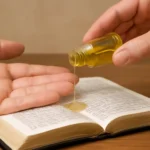
Anointing in the Bible refers to the ritual act of applying oil to a person or object as a symbolic gesture of consecration, blessing, or empowerment by God's Spirit. It signifies sanctification and the calling to divine service, often marking prophets, priests, and kings. The practice underscores divine approval and empowerment for specific mission and authority. In the New Testament, anointing takes on a deeper spiritual meaning, representing the Holy Spirit’s indwelling and empowerment of believers for their spiritual journey and service.
The English word 'anointing' comes from the Latin 'unctio,' which in turn traces back to the Greek ' aleipho,' meaning 'to smear or anoint.' The Hebrew equivalent is 'mashach,' derived from a root meaning 'to smear or spread.' Historically, the term evolved from physical application of oil to symbolize spiritual empowerment and divine selection, reflecting the transition from literal ritual to spiritual meaning in biblical context.
Key Bible Verses
Exodus 30:30
God commands Moses to anoint Aaron and his sons as priests, symbolizing their divine appointment and sanctification for priestly service.
This verse highlights the foundational role of anointing in ordaining priests, setting a precedent for divine authority through ritual.
1 Samuel 16:13
Samuel anoints David as king, signifying God's chosen successor and the divine empowerment for leadership.
This illustrates how anointing signifies divine selection and empowerment for leadership roles.
Luke 4:18
Jesus reads from Isaiah, declaring the Spirit of the Lord has anointed Him, empowering His ministry and mission.
This verse reveals the spiritual anointing of Jesus, emphasizing the Holy Spirit's role in His divine mission.
Theological Significance
In Scripture, anointing symbolizes the Holy Spirit's empowerment, sanctification, and divine commissioning. The Old Testament roots emphasize the acts of anointing the priests, prophets, and kings to fulfill God's purposes, establishing a divine authority. In the New Testament, anointing deepens spiritually as believers are indwelled with the Holy Spirit through Christ, signifying their inclusion in God's salvation plan. This concept ties into salvation history by illustrating God's preparation of individuals for His service and the ongoing empowering presence of the Spirit in believers' lives. Anointing thus represents both divine approval and ongoing spiritual empowerment for mission and holiness.
Across Christian Traditions
Catholic, Protestant, Orthodox, and Evangelical traditions recognize anointing as a vital spiritual act but interpret its significance and application differently. Catholics emphasize sacramental anointing through Confirmation and the Anointing of the Sick as sacred rites imbued with grace. Protestants often see anointing as symbolic of the Holy Spirit’s empowerment, focusing on personal spiritual experience. Orthodox Christians continue the ancient tradition of anointing in sacraments like chrismation, emphasizing renewal and divine grace. Evangelicals typically regard anointing as a spiritual practice representing Holy Spirit’s presence, without necessarily linking it to formal sacramental rituals.
Application in Christian Life
Christians apply the concept of anointing by seeking the Holy Spirit's empowerment in daily life through prayer, worship, and service. Believers may pray for the Spirit’s guidance when making important decisions, trusting that they are empowered for their calling. Anointing can also encourage Christians to serve others with compassion and humility, recognizing their divine commissioning. Many practice anointing with oil during prayer for healing or blessing, symbolizing God's Spirit at work. Ultimately, they live out their identity as anointed ones called to embody Christ’s love and ministry.
The practice of anointing with oil dates back to ancient Egypt and surrounding cultures, where oils were used in rituals and ceremonies. In biblical times, the type of oil and method of application carried significant symbolic and spiritual meaning, often associated with divine blessing and authority that extended into Christian tradition.
Frequently Asked Questions
What does the Bible say about anointing with oil?
The Bible teaches that anointing with oil was a sign of consecration and divine approval, such as in Exodus 30:30 where priests were anointed, and in James 5:14 where believers are anointed for healing.
Is anointing only a physical act or does it have spiritual meaning?
While historically physical, in biblical context, anointing also symbolizes spiritual empowerment, Holy Spirit indwelling, and divine calling for service and leadership.
Can modern Christians be anointed today?
Yes, many see the act of anointing today as symbolic of receiving the Holy Spirit’s empowerment, often practiced during prayer, healing, or commissioning services supported by Scripture like 1 John 2:20.

 Por Laura Jara