Prayer of Jesus at Gethsemane: Insights, Significance, and Reflection
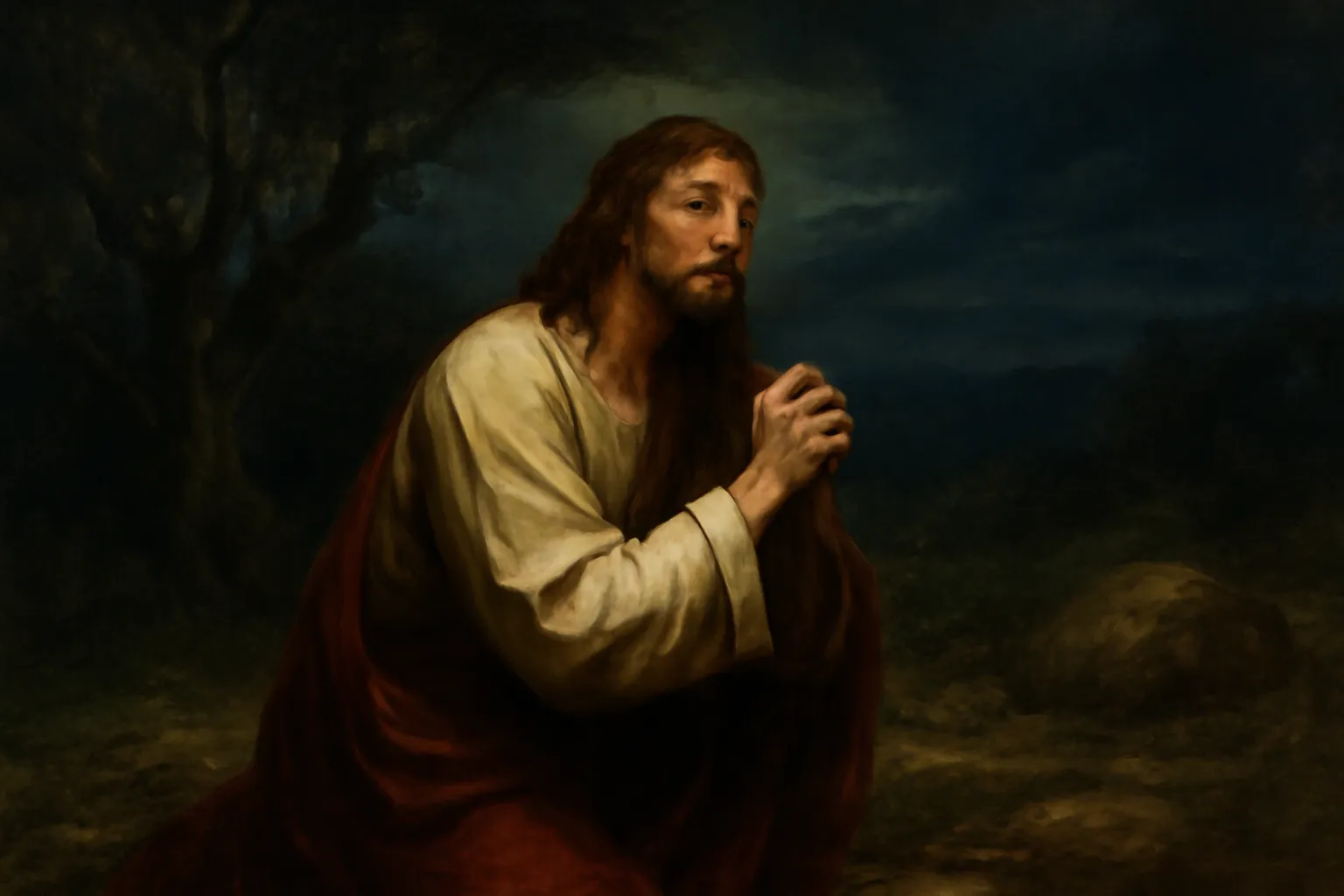
The Garden of Gethsemane is one of the most poignant scenes in the Gospel narratives. It is where
Jesus, at a moment of exquisite personal distress, turns to prayer in the face of looming crisis. This event is not merely a
plot point preceding the crucifixion; it is a window into the deepest aspects of Jesus’ earthly life: his humanity under pressure, his fidelity to the divine mission, and his teaching about how to respond to fear, uncertainty, and violence with faithfulness. In this article, we explore the prayer in Gethsemane from multiple angles—its textual accounts, its theological significance, and its enduring relevance for readers and worshippers today. We will use variations of the phrase “the prayer of Jesus at Gethsemane” to broaden the semantic footprint while keeping the focus on its meaning, impact, and method.
The Setting and Context: Where the prayer in the Garden takes shape
The narrative place for the event is the Garden of Gethsemane, a quiet, olive-tree-filled place that lay on the
Mount of Olives just outside Jerusalem. The setting matters not simply as geography but as symbol. Gardens in biblical literature often
evoke cultivation, growth, and the intimate care of life under God’s provision. For Jesus, the night following the Last Supper becomes the arena where his
obedience to the Father’s will is tested in real time.
In the Gospel accounts, the Last Supper looms large in the background of this moment. Jesus has just spoken about
betrayal, announced that one of his closest followers would deny him, and prepared the disciples for difficult days ahead. In that charged atmosphere,
he withdraws with a small group to a place called Gethsemane, often described as a scene of intense prayer and spiritual struggle. The prayer actor is
Jesus himself, but the responses and reactions around him—his cries to God, the heaviness of his soul, and the disciples’ sleep—form a
counterpoint that clarifies the stakes of the moment.
Narrative Accounts: What the Gospels record about the garden prayer
The story of Jesus’ prayer in the Garden appears in three Gospels with variations that illuminate different theological emphases. Although
the wording differs across Matthew’s, Mark’s, and Luke’s accounts, a shared core emerges:
Matthew and Mark: The threefold petition and the submission
In Matthew 26:36-46 and Mark 14:32-42, Jesus takes the Apostles to a place called Gethsemane and asks them to
stay awake with him in prayer. He prays with deep distress, asking if it is possible for the Father to let the cup pass from him, yet submits to the divine will. A hallmark of these accounts is the cadence of prayer, followed by a moment of arrest and revelation: Jesus returns to his disciples to find them sleeping, a pattern that underscores human frailty in the face of divine mission. A canonical touchstone from these passages is Jesus’ anguished cry and his steady commitment to do what the Father asks, even when it is costly. A compact, memorable line from the episode—often cited in devotional contexts—is the posture of surrender: “not as I will, but as thou wilt.”
Luke: The angelic strengthening and the clarity of the struggle
Luke’s account brings a slightly different emphasis. After Jesus prays, Luke notes that an angel appears to strengthen him, and Luke adds that Jesus’ sweat was “like great drops of blood falling down to the ground” (Luke 22:43-44, in most translations). While the exact physiological details are debated among scholars, the larger point remains clear: in the Garden, Jesus experiences profound anguish and yet experiences divine reinforcement that sustains him for the trial ahead. Luke’s portrayal highlights both the depth of Jesus’ humanity and the care of the Father in a moment of extreme distress.
Across the three accounts, a common thread runs through the garden prayer: a tension between fear and faith, between human desire for an alternate outcome and a faithful submission to God’s plan. The differences—three prayers in Matthew/Mark versus a single, decisive moment with a strengthening—open space for reflection about how prayer can function differently in different circumstances while remaining faithful to the same divine purpose.
Core themes in the prayer: What the garden moment reveals about prayer itself
Submission and obedience
A central theme in the Jesus’ prayer at Gethsemane is obedience rooted in submission to the Father’s will. The phrase commonly associated with this moment—“not as I will, but as thou wilt”—has become a compact theological statement about the place of human agency within God’s overarching plan. This is not a resignation to fate but a deliberate alignment of the will with divine purposes, even when the outcome is bitterly costly. In the garden, obedience is not abstract; it is embodied in a real, living choice under pressure.
The prayer in Gethsemane makes visible Jesus’ human vulnerability. The Gospels do not sanitize fear; they register a soul that prays through intense sorrow, stress, and foreboding. Yet the narrative never leaves him in despair. Instead, the Garden becomes a workshop where human fear is transfigured by vocation. The call to mission—suffering, rejection, and cruciform love—is not denied; it is embraced as part of God’s redemptive plan. This moral clarity invites readers to bear witness to the fact that vocation and fear can coexist, and that faithful prayer can transform fear into resolve.
Prayer as a practice of watchfulness
The admonition to “watch and pray” that emerges from these stories is more than a one-time cue; it is a spiritual habit. The disciples fail to keep vigil, which becomes a practical lesson about the difficulty of sustained attentiveness in moments of pressure. Jesus, in teaching by example, models a deliberate, ongoing practice of petition, listening, and readiness for whatever the Father allows. The practice is not only about asking for relief but about aligning one’s heart with God’s purposes, even when relief does not come in the form we expect.
Angelic companionship and divine labor
Luke’s account introduces the angelic strengthening that accompanies Jesus’ prayer, reminding readers that the task of bearing unspeakable suffering is not undertaken alone. Angelic ministry in this scene signifies that God’s purposes are carried forward through a combination of human courage and divine support. This partnership invites believers to seek not only personal resilience but also a consciousness of God’s unseen aid in moments of crisis.
Theological significance: Interpreting the Gethsemane prayer across traditions
The garden prayer has been interpreted in diverse ways by Christian theologians, churches, and spiritual writers. Its significance transcends a single doctrinal lens, offering insights into at least three major strands of Christian reflection:
Substitutionary Atonement and Suffering: For many, the prayer in the Garden foreshadows Jesus’ willingness to bear the cup of suffering on behalf of humanity. The moment is often read as a protest against human brokenness met with divine mercy, in which Jesus accepts the cost of redemption rather than avoiding it.
Divine Sonship and Relational Prayer: The episode highlights an intimate relationship with God the Father. The rhetoric of dependence—speaking to the Father as one speaks to a beloved parent—offers a model for trustful, honest communication with God, especially in fear and pain.
Ethics of Endurance and Community: The failure of the inner circle to stay awake invites ethical reflection on solidarity, accountability, and communal fidelity. The garden scene becomes a call to spiritual discipline that strengthens both personal resolve and a shared commitment to a larger mission.
Across denominational lines, interpreters emphasize that the garden episode embodies a paradox: Jesus is fully divine and fully human, yet his obedience is tested in real time. The outcome—Christ’s cruciform mission—demonstrates that the path of love can require profound personal sacrifice. For many Christians, that paradox remains a source of hope: God meets human weakness with grace, and human faithfulness, when joined to divine power, yields transformation.
Practical reflections for contemporary prayer and spiritual formation
How can readers today translate the lessons of the prayer in Gethsemane into personal and communal practice? Here are several practical lines of reflection and discipline that flow from the Garden narrative:
Honest conversation with God: The garden prayer model invites earnest, unfiltered dialogue with God about fear, doubt, and longing. It is okay to name what you wish to change or avoid, while still submitting to the divine will.
Carrying the “cup” with courage: The image of the cup—a symbol of what must be endured—reminds believers that suffering and high-stakes decisions are sometimes part of spiritual vocation. Prayer can help translate fear into courage and fidelity.
Seeking divine strength: Luke’s account of the angelic strengthening foregrounds a posture of openness to God’s assistance. Spiritual practices—prayer, Scripture, worship, and communal discernment—can be channels for receiving such fortification.
Watchfulness as a rhythm: The disciples’ sleepiness in the Garden is a cautionary tale about spiritual lethargy. Cultivating a rhythm of watchfulness—through early morning prayer, silence, or reflective journaling—creates space for discernment when crisis arises.
Discerning the balance between desire and obedience: The tension between personal preferences and God’s purposes invites a continual re-song of prayer: asking for relief when appropriate, while prioritizing fidelity to the divine plan above personal comfort.
Guided reflection prompts
Use these prompts for personal meditation or a group study session:
What fears am I carrying that relate to a difficult decision or potential suffering?
How can I practice honest prayer while remaining open to God’s will?
Where in my life do I need the sense of divine strengthening similar to the angelic support described in Luke’s account?
In what ways can I cultivate a regimen of watchfulness that helps me stay aligned with God’s purposes during trials?
Variations of the phrase: “the prayer of Jesus at Gethsemane” and related expressions
To broaden semantic breadth without losing focus, consider these variations:
Jesus’ garden prayer
the prayer in the Garden of Gethsemane
the agony and supplication in Gethsemane
the olive grove prayer before the arrest
the petition in the garden to the Father
the threefold petition in Gethsemane
Each phrasing emphasizes a different facet of the event—its geography, its emotional intensity, its ritual pattern, or its doctrinal significance—while maintaining a single core reality: a son’s confession of fear, a request for relief, and a steadfast choice to submit to the Father’s will.
Art, music, and literature: how the garden prayer has been depicted and interpreted
The Gethsemane prayer has inspired a wide range of artistic and literary responses. Visual art often depicts the emotional intensity—the kneeling posture, the night darkness, the sweat. Music has produced pieces that mourn the cost of faithfulness or celebrate the moment of surrender. In literature, poets and novelists have used the garden scene as a symbol for moral crisis, spiritual allegiance, or the quiet, persistent practice of prayer through fear.
These cultural expressions contribute to a broader public memory of the garden scene, inviting people who may never read the Gospel text to encounter its themes: fear and courage, the human cost of obedience, the comfort of divine companionship, and the invitation to participate in the discipline of prayer in the midst of hardship.
Reflection on the Disciples: human response under pressure
The other major human agents in the Gethsemane scene are the disciples. The narrative invites reflection on why they faltered—why sleep overtook vigilance at a moment that demanded fidelity. This is not merely a critique of the disciples as figures in a story; it is a mirror for readers who have known moments of spiritual drowsiness, distraction, or fear-driven decision-making. The garden episode calls believers to cultivate a community that supports one another in prayer, keeps vigil together, and learns from failure while continuing to move toward the purposes of God.
Practical steps for a personal or group study of the garden passage
If you are guiding a study on the garden prayer, here are practical steps to foster engagement and growth:
Read the accounts in parallel (Matthew 26:36-46, Mark 14:32-42, Luke 22:39-46) to observe the nuances of each Gospel’s presentation.
Journal a personal “garden moment”: identify a season when you faced distress and reflect on how you prayed, what you asked for, and how your perspective aligned with God’s will.
Discuss questions of obedience, fear, and relief. How do you discern when God’s plan is being asked of you even if relief is unlikely?
Practice a guided prayer exercise modeled on the garden scene: sit in silence, name your fears, present your requests with honesty, then pause to listen, and finally reaffirm your commitment to God’s will.
Conclusion: The enduring message of Jesus’ prayer in the garden
The prayer of Jesus at Gethsemane is not simply a historical moment it is a living text that continues to challenge and sustain readers. It teaches that authentic prayer can carry the weight of fear and the burden of uncertainty while remaining tethered to a higher purpose. It shows how divine support can appear in moments of human weakness, how submission to God’s will can coexist with earnest pleading, and how steadfast fidelity, even in the face of grave danger, becomes a witness that reverberates through history.
As we reflect on this episode, we are invited to cultivate in our own lives the same posture of honesty, courage, and trust. Whether one approaches prayer as a private practice, a communal discipline, or a contemplative art, the garden moment offers a pattern: bring the fullness of your fear to God, seek strength beyond your own, and submit to the will that transcends your immediate desires. In that dynamic, the prayer of Jesus at Gethsemane remains a beacon—showing the path from human weakness to divine action, from anxiety to purpose, and from sorrow to hope.
Note: This article uses variations of the phrase “the prayer of Jesus at Gethsemane” to emphasize different angles of interpretation while preserving the sense of a single, transformative moment in the Gospel narrative. Readers are encouraged to explore the primary texts in their preferred translation to discover how the cadence of language shapes understanding of the events in the garden.

 Por Laura Jara