Prayers at the Western Wall in Jerusalem hold a unique place in Jewish life and memory. For generations, pilgrims have sought a tangible connection to history, faith, and community at this sacred site. Whether you are arriving as a curious traveler, a serious devotee, or a first‑time visitor simply hoping to witness a powerful moment of devotion, understanding the layout, the usual prayer practices, and the etiquette can enrich your experience. In this article, you will find practical guidance on visiting, a survey of common practices around prayer at the Western Wall, and clear notes on the respectful behavior that helps keep the space meaningful for worshippers and visitors alike.
The Western Wall: significance, setting, and what makes it special
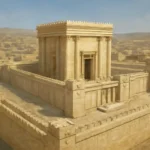
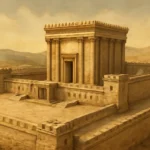
The Western Wall—also known by its Hebrew name Kotel—is a retaining wall from the Second Temple compound and the closest reachable place to the Sanctum Sanctorum that remains standing today. It is part of the larger precinct of the Old City of Jerusalem and sits adjacent to the Temple Mount. For many, praying at the Western Wall is a pilgrimage that connects ancient tradition to contemporary practice. The wall is not only a site for personal prayer; it is also a living symbol of Jewish continuity, memory, and longing. Visitors describe a sense of awe as they approach the wall, feel the weight of history, and observe locals and pilgrims engaging in quiet, focused prayer.
In this piece, the phrase prayer at the western wall in jerusalem is used in several forms to reflect the variety of experiences people have there: praying at the Wall, the Wall’s daily rituals, the Kotel prayers, and the broader practice of converse with the sacred through words, rhythm, and reflection. Whether you come for a moment of contemplation or to participate in a longer ritual, you are entering a space where personal devotion meets a shared cultural horizon.
The Western Wall Plaza sits in the Jewish Quarter of the Old City of Jerusalem. It is easy to reach from central Jerusalem by taxi, bus, or private transport. The plaza is reachable from the markets and winding lanes of the Old City, and signs point toward Ezrat Yisrael (the men’s area) and Ezrat Nashim (the women’s area). For many travelers, the approach to the Wall is part of a broader walk through historic neighborhoods, so plan time to stroll and absorb the surrounding ambience before or after your visit.
Hours, security, and entry basics
In practice, the Western Wall area is accessible most hours of the day, though security screening and gate checks are standard. Visitors should expect a brief security procedure at the entrance. It is a good idea to leave large bags or tripods behind if possible, as this can speed up entry and reduce congestion at busy moments. Note that there are separate spaces for men and women within the Plaza, and the flow of visitors may adjust during special events or religious holidays.
Tickets, tours, and the option of guided experiences
While entry to the Wall itself does not require tickets, many visitors choose to join guided tours to gain context about the site’s history and religious significance. Some groups offer early‑morning or evening sessions focused on history, Jewish prayer traditions, or the archaeological landscape around the Wall. If you plan to combine your visit with a broader tour of Jerusalem’s historic sites, consider a guide who can explain both the historical background and the contemporary rituals you may observe.
Restrooms and a few small facilities are located near the plaza; plan ahead if you are with children or need accessibility accommodations.
Accessibility options exist in the vicinity, though the plaza’s historic paving and stairways mean that some areas may present challenges for mobility devices. Check with a tour operator or the site’s information desk for the latest accessibility guidance.
Photography is common, but be mindful of worshippers’ privacy and avoid flash or intrusive angles during moments of prayer or Torah reading.
Notes and offerings are placed in the wall’s crevices by visitors; you may see slips of paper bearing wishes and requests lifted toward the stones, a practice that reflects centuries of personal supplication.
What to know before you go: dress code, etiquette, and respectful behavior
Dress code and modesty expectations
The Western Wall is a sacred site for Jewish worship, and most visitors observe a modest dress code as a sign of respect. In practical terms, this means covering shoulders and knees for both men and women. Many travelers bring along a lightweight scarf or sweater if they don’t want to wear long sleeves indoors. You will also find that a simple head covering—a kippah or scarf—helps show respect, especially for men who are accustomed to wearing one in synagogue settings. Some visitors choose to wear a kippah as a sign of reverence, while others simply observe by covering their shoulders and knees.
It is not unusual to see a mix of attire, particularly during busy times. The key idea is to present yourself with modesty in mind, rather than to attempt to blend in with any single dress code. If you are unsure, observe a moment or two from the back of the plaza and follow the lead of worshippers and local guides.
Behavioral expectations and quiet contemplation
The Western Wall is a place of solemn prayer as well as public memory. Visitors are expected to maintain a tone of quiet respect, avoid loud conversations, and refrain from engaging in distracting activities while prayers or readings are taking place. If you wish to speak with someone nearby, doing so softly and away from the praying spaces helps maintain the sanctity of the area.
Gendered spaces: Ezrat Nashim and Ezrat Yisrael
The Wall’s worship spaces are traditionally divided into two primary prayer areas: Ezrat Nashim (the women’s section) and Ezrat Yisrael (the men’s section). A low barrier or dividing screens typically separate the spaces. Visitors should be aware that this separation reflects religious practice and communal norms at the site, and it is respectful to honor the boundaries while observing others’ devotional activities. While men commonly wear tefillin and tallit during morning prayers, such practices may be less visible in modern visits; women may have their own forms of prayer and personal ritual, and many participate in readings, recitation, or silent contemplation without encroaching on others’ space.
Prayer practices you may observe at the Western Wall
Typical prayers and liturgical activities
When people speak of prayer at the Western Wall in Jerusalem, they often refer to a mix of traditional liturgy and personal supplication. You may observe:
The recitation of the Shema Yisrael, a central declaration of faith that is part of many daily prayers.
The amidah (the standing prayer) in its various forms, including personal supplications and blessings.
Public or private readings from the siddur (prayer book) or from the Torah, when a scroll is available or during special occasions.
Personal prayer and introspection in a language of your choice, often expressed in short, intimate supplications or thanks.
Group recitations during holidays or when a minyan (a quorum of ten adult Jews) is present.
Notes, wishes, and the practice of slipping prayers into the wall
A well‑known tradition at the Western Wall is to write prayers or wishes on slips of paper and place them into the wall’s crevices. This ritual is not an official commandment, but it has become a meaningful custom for countless visitors who want to place their hopes close to the site’s ancient stones. If you choose to participate, keep your notes concise and respectful. The wall has thousands of notes, and the practice reflects a personal dialogue with the sacred space rather than a standardized rite.
For many male worshippers, donning tefillin (phylacteries) and a tallit (prayer shawl) is a part of morning prayer when praying at the Western Wall. This is a traditional practice during certain services, though it is not mandatory for visitors. Some women also choose to wear a tallit or other ritual items as expressions of devotion or personal practice, but this is less common in the main public space and varies by community. If you plan to wear tefillin or a tallit yourself, you’ll typically find space to do so in a respectful manner, with awareness of other people’s privacy and prayer needs.
Etiquette for visitors: how to participate respectfully
How to observe without disrupting prayer
The Western Wall belongs to those who come to pray, but it is also a place where visitors can reflect and learn. If you are there to observe, keep your voice low, avoid interrupting others, and resist the impulse to lean on stones, move close to people while they pray, or try to engage them in conversation during moments of reverence. The act of quiet observation itself can be a meaningful way to connect with the space without intruding on someone else’s spiritual practice.
Photography and etiquette around worship
Photography is common around the Western Wall, yet it is courteous to avoid photographing people who are praying or reading sacred texts without their consent. If you wish to photograph a moment of public prayer or a ceremony, approach with sensitivity and, if possible, ask for permission first. In moments of intense devotion, such as when people are praying the Amidah or reciting the Shema, it is respectful to refrain from taking photos.
Handling sacred space and personal items
Do not touch or reposition others’ personal items without consent. If you observe someone praying with a Torah scroll or other ritual objects and you would like to see or photograph, request permission from the person or a guide. In general, keep your own belongings organized and out of the way of others who may be kneeling or standing in fixed positions during prayer.
Practical tips for different visitors
First‑time visitors and those reconnecting with tradition
If you are here for the first time, you may experience a mix of awe, curiosity, and solemnity. Take a moment to breathe deeply, observe the rhythm of prayer, and let the space teach you through quiet observation. If you plan to participate in prayer, you can bring a small siddur or use an app with a translation to understand the flow of the service. Witnessing the exchange between personal supplication and communal ritual can be a powerful way to connect with the site’s deep sense of continuity.
Families and travelers with children
Families often visit the Western Wall as part of a broader exploration of Jerusalem’s holy places. Explain to children that the Wall is a place for prayer and reflection, and encourage them to observe respectfully. Some children may find the experience moving; others may be fascinated by the sheer size of the stones or the notes left in the crevices. If your itinerary includes a visit to the Wall, plan a short, calm window so that younger travelers can process the environment without feeling overwhelmed.
Solo travelers and pilgrims seeking deeper engagement
For solo travelers, the Western Wall offers opportunities to join a guided walk, ask questions about the site’s history, or participate in a brief moment of personal prayer. If you wish to connect with a local rabbi, guide, or worshipper for a short explanation, approach with courtesy and be mindful of private devotional time. Some visitors choose to observe a short period of silent reflection at the Wall, using it as a space to compose a personal prayer or to process the journey that led them there.
The plaza is a historic site with uneven paving, so plan accordingly if you have mobility concerns. If you or someone with you uses a wheelchair or walker, inquire about accessible routes or alternative viewpoints that still provide a meaningful connection to the Wall’s significance. Staff and guides can offer direction on the best paths and seating options that accommodate mobility needs.
Historical and cultural context: understanding the broader significance
From Second Temple to modern devotion
The stones of the Western Wall have been a witness to centuries of history. What remains from the Second Temple period survives as a powerful reminder of ancient rituals, city life, and the long arc of Jewish memory. Throughout the centuries, generations have turned to this site for prayer, tears, gratitude, and hope. This continuity—linking ancient practice to contemporary life—gives the Wall its singular resonance.
For many Jews, the Western Wall is not only a physical place but also a spiritual axis that frames daily prayer, seasonal holidays, and personal petitions. The wall is frequently described as a “gate” to remembrance: a place where prayers rise with the stones and where the collective voice of a community can be felt even in personal supplication. This interplay between private devotion and public ritual is one of the reasons prayers at the Western Wall inspire visitors from around the world.
The Kotel as a symbol of coexistence and tourism
While the Wall’s religious significance is central for many visitors, the site is also a major cultural landmark that attracts people from many faiths and backgrounds. As a result, the experience of praying at the Western Wall can be rich with cross‑cultural encounters, conversations, and shared learning about history, archaeology, and religious practice. This intersection of devotion and tourism requires sensitivity and openness, helping everyone leave with a sense of respect for the sacred and for the people who come to pray there every day.
Safety, security, and respectful conduct
Safety basics for visitors
Plan ahead for safety as you navigate crowded spaces, especially during holidays or special events. Follow posted signs and guidance from security personnel. If you have mobility needs, ask a staff member about the most suitable routes and seating options. Always treat the site with care; the ancient stones are fragile, and the surrounding urban atmosphere can be lively, so patience and courtesy go a long way.
Security procedures and what to expect
Expect standard security checks at the entrance, including bag screening. Do not bring prohibited items, and be prepared for possible delays during peak times. If you are unsure whether an item is allowed, inquire at the entry point or with a guide ahead of time.
Putting it all together: what visitors should take away about prayer at the Western Wall in Jerusalem
Visiting the Western Wall is an invitation to witness a living tradition that blends ancient stone and contemporary prayer. Whether you come to observe the prayer practices at the Wall, participate through your own personal supplications, or simply reflect in the plaza, you are taking part in a moment that has defined Jewish memory for centuries. Mindful dress, quiet presence, and respect for the Wall’s layered spaces—Ezrat Nashim and Ezrat Yisrael—help ensure that everyone can approach the Wall with dignity and reverence. The tradition of placing notes in the wall’s crevices remains a vivid and personal ritual for many, while others simply stand in reflection or recite familiar prayers from a siddur. In all its forms, prayer at the western wall in jerusalem offers a profound portal into faith, history, and human longing.
When you leave the Western Wall, you carry with you a small but meaningful memory: the sense that a spot of earth, weathered by time, continues to witness countless voices reaching upward in hope, gratitude, and blessing. This is the enduring power of the Kotel—a place where tradition meets a modern world, and where visitors can encounter a deeply rooted expression of prayer at the western wall in jerusalem.

 Por Laura Jara