Across Christian traditions, two phrases repeatedly surface in discussions about how believers are integrated into the life of God: Baptism of the Holy Spirit and Water Baptism. Although they share a common vocabulary rooted in the broader concept of baptism, they refer to distinct experiences, realities, and practices within the faith. This article explores the key differences between Baptism of the Holy Spirit and Water Baptism, tracing biblical foundations, doctrinal variations, practical implications for worship and ministry, and how these two forms of baptism interact in the life of a Christian and the church. The goal is to clarify terms, illuminate common questions, and offer a balanced overview that recognizes historic breadth and theological nuance.
Baptism of the Holy Spirit is a phrase used to describe a divine act in which the Holy Spirit equips, empowers, or identifies a believer with Christ for service, witness, or a heightened experiential awareness of God’s presence. In many traditions, it denotes a specific, extraordinary impartation of spiritual power or an experiential moment in which the believer is immersed into the life of God through the Spirit. In other streams, it is understood more broadly as the moment a person becomes a Christian through faith, at which the Spirit enters and seals the believer. The language revolves around identification with Christ, reception of the Spirit, and commissioning for mission. Key components of this concept include:
Divine action: The Spirit initiates or effectuates the experience, not something the believer merely initiates by ritual.
Empowerment for ministry: The event is often described as equipping for witness, service, or boldness in declaring the gospel.
Identification with Christ: The believer is united with Christ through the Spirit, forming a new basis for life and mission.
Varied manifestations: Across Christian history, manifestations associated with this baptism have ranged from inner conviction and assurance to extraordinary gifts in some circles.
Biblical foundations for the concept appear in several scenes in the New Testament. The book of Acts repeatedly highlights occasions when believers are described as being filled with the Holy Spirit or baptized with the Spirit and then empowered for proclamation, healing, or miracles. Notable passages include the day of Pentecost, where the Spirit came with visible signs and bold preaching; the Samaritans’ reception of the Spirit after Peter and John laid hands on them; and the Gentile Cornelius household’s experience in which the Spirit came before water baptism. While the phrasing and emphasis vary among passages, the common thread is that the Spirit’s action creates a new dynamic within the believer that enables life in Christ beyond ordinary human capacity.
Different theological traditions describe the timing and mechanism of this baptism with nuance. Some view the Spirit’s baptism as identical with the moment of conversion—an event in which a person becomes a Christian and is sealed by the Spirit. Others see a later, distinct experience that accompanies or follows conversion, sometimes associated with a subsequent demonstration of spiritual gifts or a heightened sense of God’s leading. Because of this diversity, it is important to distinguish the theological meaning (what the Spirit does in the believer) from the experiential manifestations (how one feels or what gifts are evident). This distinction helps avoid reducing the baptism to a single sign, such as speaking in tongues, which is a point of debate among different denominations.
What is Water Baptism?
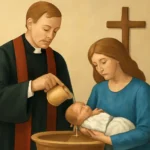
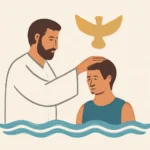
Water Baptism is a ritual act that involves immersion (or sometimes pouring or sprinkling, depending on tradition) in water as a public declaration of faith in Jesus Christ. It serves as a symbolic drama: death to the old life, burial with Christ, and resurrection to new life. The act embodies key spiritual truths—repentance, faith, identification with Christ, and incorporation into the community of believers. The basic elements of Water Baptism include:
Public profession: It is typically performed in the presence of a local church or community, signaling a personal decision to follow Christ.
Symbolic meaning: Water serves as a visible sign of inward faith—dying to sin, being buried with Christ, and rising to new life.
Mode variability: Some traditions emphasize immersion as the fullest symbol of burial and resurrection; others practice sprinkling or pouring, which still conveys the symbolic meanings but with a different mode.
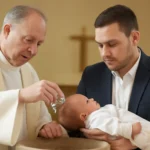
Circumstance of administration: In many churches, baptism is reserved for individuals who have made a personal profession of faith; in others, infant baptism is practiced, with different theological interpretations about how it relates to salvation and church membership.
Scriptural grounds often cited for Water Baptism include the Great Commission’s instruction to make disciples and baptize them in the name of the Father, Son, and Holy Spirit, and the example of Jesus himself being baptized (and Jesus’ command that disciples be baptized). The water-based rite is therefore deeply connected to the church’s mission, discipleship process, and communal life. Across Christian history, Water Baptism has maintained a central role in testifying to personal repentance and faith, and in aligning a believer with the body of Christ through a shared identifier in baptismal practice.
Key Differences between Baptism of the Holy Spirit and Water Baptism
Nature and source of the experience
The most fundamental distinction lies in the source and nature of the experience. Baptism of the Holy Spirit is a divine action that originates in God’s initiative and is received by faith. It is not typically described as a human-managed ceremony, though churches may ordain or lay hands in some traditions to acknowledge or facilitate the experience. In contrast, Water Baptism is a human-mediated ritual conducted by the church, often administered by a pastor or ordained minister, using water as the visible sign. The focus of this practice is not primarily on a spiritual empowerment but on public identification with Christ and the Christian community.
Timing and sequence
In biblical narratives, the Baptism of the Holy Spirit is presented as a decisive act tied to the believer’s encounter with Christ and the empowerment for mission. The timing can be at conversion or at a subsequent moment, depending on tradition. Water Baptism, however, is most commonly positioned after a credible profession of faith, following a period of instruction or catechesis in many church settings. Some traditions insist on baptism immediately after faith in order to symbolize union with Christ and entry into the church, while others allow a period of preparation. The sequencing in practice can therefore vary, but the two rites traditionally occupy different points on a believer’s journey.
Meaning and symbolism
Baptism of the Holy Spirit centers on spiritual empowerment, indwelling, and the commissioning of believers for ministry. It is often associated with gifts, boldness, discernment, and the inner assurance of God’s presence. Water Baptism emphasizes identification with Christ’s death and resurrection, repentance, and entrance into the church. It is a visible, public sign that communicates the inward reality of faith to the surrounding community. While both experiences involve participation in the life of God, they emphasize different dimensions: the inner, experiential empowerment of the Spirit versus the outward, communal testimony of faith.
Mode of reception
The Baptism of the Holy Spirit is described in Scripture as a work of God the Spirit. While human agents may participate in laying on hands or praying for believers in certain contexts, the event itself is grounded in the Spirit’s action. Water Baptism is typically conducted through a physical act—immersion in water, pouring, or sprinkling—carried out by human agents within the church. This distinction highlights the difference between divine action and human ritual, even as both participate in God’s redemptive plan.
Gifts, signs, and expectations
In traditions that emphasize the Baptism of the Holy Spirit, the experience is sometimes connected with manifestations such as spiritual gifts, renewed zeal, or a more conspicuous sense of God’s power for service. It is important to note that not all believers experience dramatic manifestations, and not all denominations equate Spirit baptism with charismatic gifts. Water Baptism does not, by itself, guarantee the presence of specific spiritual gifts; its primary sign is repentance and your incorporation into the body of Christ. However, many churches teach that genuine faith and a life yielded to Christ will naturally bear the fruit of the Spirit, which can include ethical transformation and, in some traditions, spiritual gifts that accompany mature discipleship.
Assurance and identity
For many believers, Baptism of the Holy Spirit is a source of profound assurance about God’s personal presence and vocational calling. It can be described as a moment or a period of intensified consciousness of the Spirit’s work in a believer’s life. On the other hand, Water Baptism often functions as the public declaration of a prior internal conviction—an outward sign of an inward faith. The assurance associated with Water Baptism tends to be communal and narrative: “I am publicly aligned with Christ and with this local church.”
Scriptural foundations and historical perspectives
Both forms of baptism draw on broad biblical themes—identification with Christ, union with the body of Christ, and new life in the Spirit. The New Testament contains clear attestations to both phenomena, though their emphasis and sequencing can differ among books, chapters, and authors. A careful study helps avoid conflating the two or treating them as interchangeable.
Biblical glimpses of Baptism of the Holy Spirit
Several passages point to Spirit-induced initiation and empowerment. For example, the early church’s experience at Pentecost is frequently cited as a watershed moment when believers received the Spirit with significance for bold proclamation and miraculous signs. Other scenes recount the Spirit coming upon or filling individuals to enable service, evangelism, or leadership. In these accounts, the Spirit’s action is decisive for mission and community-building, rather than a mere personal mood or emotion. The emphasis is on divine enabling and corporate formation.
Biblical evidence for Water Baptism
Christ’s command to make disciples and baptize them in the name of the Father, Son, and Holy Spirit anchors the practice in the Great Commission. The pattern of faith leading to baptism is illustrated in Acts and the Epistles: individuals respond to the gospel, profess faith, and then are baptized as a public sign of confession and membership. Water baptism thus functions as a rite of initiation, a marker of belonging, and a perpetual reminder that the Christian life is lived in a particular community under God’s lordship.
Historical and doctrinal trajectories across traditions
In many Catholic and Orthodox frameworks, baptism (often water-based) is closely tied to the forgiveness of sins, incorporation into the church, and the reception of grace. The Holy Spirit is understood as inseparable from baptism, though the emphasis might be placed on the sacramental and ongoing life of the church rather than a dramatic, standalone experience. In these traditions, the Spirit dwells within the believer as a consequence of baptism and ongoing participation in the sacraments. The concept of a separate, post-conversion baptism of the Spirit is less prominent, though the Spirit’s activity in guiding, sanctifying, and empowering remains central.
Protestant and Reformed streams
Among many Protestants, especially in Reformed and Evangelical circles, Water Baptism is viewed as an important ordinance that testifies to faith and allegiance to Christ, often linked to baptismal regeneration debates in earlier centuries. The Baptism of the Holy Spirit is discussed with more variance: some traditions emphasize one experience at conversion, others maintain a subsequent empowering experience for service, and others hold that the Spirit’s presence is an ongoing reality in the believer’s life rather than a discrete happening. The lack of monolithic consensus here reflects the diversity within Protestant theological landscape, including debates about the relationship between Spirit, Word, and sacrament.
Pentecostal and Charismatic understandings
In Pentecostal and Charismatic circles, the two phenomena are often distinguished but closely linked in practice. Water Baptism is still considered essential for discipleship and public confession, yet the Baptism of the Holy Spirit is frequently described as a distinct, empowering experience that may include speaking in tongues, prophecy, or other gifts. Even within these communities, there is a spectrum: some emphasize the experiential signs as a norm, while others stress the Spirit’s primary role in sanctification and mission regardless of personal manifestations. The historical arc here highlights a dynamic interplay between reviving tradition, spiritual gifts theology, and ecumenical dialogue about what constitutes authentic Christian experience.
Practical implications for churches and believers
Understanding the differences between Baptism of the Holy Spirit and Water Baptism has concrete implications for pastoral practice, catechesis, and congregational life. Here are some key considerations for churches and individual believers alike:
Discipleship pathways: Recognize that water baptism marks entry into the faith community, while Spirit baptism (in traditions that emphasize it) may be described as empowerment for living and serving. Churches can design sacraments and teaching that honor both aspects without presuming one substitutes for the other.
Pastoral sensitivity: Versed pastors acknowledge a broad spectrum of spiritual experiences. Some members may emphasize a post-conversion empowerment experience, while others focus on the transformative work of the Spirit observed in daily obedience and fruit of the Spirit. Sensitive pastoral care helps avoid pressuring individuals to fit a single mold of spiritual experience.
Public testimonies: Water baptism provides a public witness to faith, which can be a powerful evangelistic and pastoral act. It also fosters a sense of belonging and accountability within the church body.
Gifts and discernment: In churches that celebrate spiritual gifts, the Baptism of the Holy Spirit (where affirmed) can be linked to responsible use of gifts in service to the community. Schools of discipleship and mentoring can help believers steward these gifts with humility and love.
Ecumenical dialogue: The differences between Spirit-based empowerment and water-based identification are a fruitful ground for ecumenical conversation. Dialogue can emphasize shared faith in Christ, the centrality of the gospel, and the common goal of mission while respecting diversity in practice and interpretation.
For individual believers, the practical takeaway is to cultivate a robust life of faith that honors both the inward work of the Spirit and the outward confession that comes through baptism. A life shaped by Scripture, prayer, and community can reflect the fullness of what these two baptisms symbolize: a personal encounter with the living God and a visible, faithful witness to the world.
Frequently Asked Questions
Is water baptism required for salvation?
The question of whether Water Baptism is required for salvation has a range of answers across Christian traditions. In some traditions, baptism is viewed as an essential sacrament that conveys grace and regeneration. In others, baptism is seen as a powerful symbolic ordinance that confirms and publicizes faith but is not the act by which one is saved. The common ground across many denominations is that genuine faith in Christ is the foundation, and baptism serves as a meaningful, obedience-based response to that faith. Practically, most churches encourage baptism after a credible profession of faith as part of discipleship, not as a means of earning salvation.
Can a person experience the Baptism of the Holy Spirit and not be baptized with water?
Different traditions answer this question differently. Some affirm that Spirit baptism can occur independently of water baptism, emphasizing God’s sovereign work in granting the Spirit. Others hold that water baptism should accompany or immediately follow a genuine conversion as part of the process of being incorporated into the church. The shared conviction across most streams is that both realities are valuable, even if a church’s emphasis differs. The important criterion is faith in Christ and alignment with the gospel’s core message.
Infant baptism (where practiced) is typically understood as a sign of God’s covenant and a means of initiating the child into the Christian community, with the expectation that the child will come to personal faith later. The Baptism of the Holy Spirit, when discussed in contexts involving infants, is generally seen as a future experience that accompanies conscious faith and baptism as an adult or youth. Across traditions, the relationship between infant baptism and Spirit baptism remains a matter of ecclesial interpretation and pastoral preference rather than a single universal rule.
Yes. Treating Water Baptism as a mere formality or assuming that Spirit empowerment guarantees spiritual superiority can distort both rites. The best approach is to understand each baptism in its biblical and historical context, recognize the diverse ways the Spirit works in different communities, and maintain a focus on God’s grace, Jesus Christ, and the church’s mission. Healthy practice encourages humility, discernment, and mutual respect among diverse Christian traditions.
In sum, the distinction between Baptism of the Holy Spirit and Water Baptism is not primarily a competition between two separate experiences, but a way of describing two essential threads in the fabric of Christian faith. The Spirit’s work within the believer and the community’s public confession in water together shape a life shaped by grace, empowered for witness, and anchored in a shared identity in Christ. Readers are encouraged to study the relevant scriptures, consult their tradition’s teaching, and engage in pastoral conversations that honor both the mystery and the clarity of these foundational practices.

 Por Laura Jara