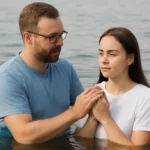
Beach Baptism Service is a uniquely powerful expression of faith set against the rhythms of sun, sand, and sea. When planned with care, a shoreline ceremony can become a meaningful rite that honors a spiritual milestone, invites community, and creates lasting memories for the person being baptized, their family, and the faith community. This article explores how to plan a seaside baptism or coastal baptism service that feels intentional, respectful, and safe for all involved. Whether you are organizing a small family moment or a larger church gathering near the water, the following guidance covers practical steps, creative ideas, and thoughtful considerations to help you conduct a beautiful baptism by the beach.
Defining the purpose and tone of a shoreline baptism
Before you lock in dates, locations, or guest lists, take time to clarify the goals of the event. A beach baptism can emphasize different themes depending on the context, such as renewal, public profession of faith, grace and mercy, or community commitment. The tone may be solemn and reflective, joyous and celebratory, or a blend of reverence and gratitude. The most successful seaside baptisms are those where the purpose guides every practical choice—from the reading selections to the flow of the ceremony, from the music to the way guests participate. In short, a well-planned shorefront baptism service communicates intentional spiritual meaning while remaining inclusive and approachable for visitors and newcomers.
Approach the planning process with a practical framework that helps you move from vision to execution. The framework below can be adapted to a beach baptism service of any size.
Vision and scope
Identify who will participate in the baptism (the candidate, family members, godparents or sponsors, witnesses).
format (sacramental baptism, believer’s baptism, a renewal of vows, or a combination).
Determine the location type (public beach, protected coastal area, private access with permit).
Stakeholders and roles
Officiant or clergy member who will lead the service.
Event coordinators or volunteers responsible for logistics, safety, and hospitality.
Musical contributors—pianist, guitarist, vocalist, or a small ensemble.
Photographer or videographer to document the moment, with consent forms as needed.
Timeline and milestones
Set a planning timeline (6–8 weeks is common for gatherings with multiple participants).
Book the location and permit, if required, and secure an alternate indoor option in case of bad weather.
Confirm officiant, participants, and key volunteers; schedule rehearsals if feasible.
Coastal locations often have specific rules and regulations. A thoughtful planning checklist includes permits, accessibility, and safety compliance. Being proactive reduces stress on the day of the event and helps protect the dignity of the moment.
Permits and permissions
Check with the local park services, city council, or beach management about permits for a ceremony, especially if amplification, chairs, a canopy, or a processional route are involved.
Confirm any restrictions on temporary structures, such as tents or stages, and understand allowable time windows.
Coordinate with lifeguards or beach safety authorities when water activities or processions involve entering the surf.
Location and timing considerations
Choose a site that offers easy access for participants, including parking and wheelchair accessibility when needed.
Select a time of day with favorable light, lower winds, and manageable tides—often late morning or late afternoon works well for photos and comfort.
Prepare for seasonal variations—seasonal storms, higher waves, or cooler water temperatures may necessitate adjustments.
Environmental stewardship
Honor the natural surroundings: minimize waste, use reef-safe sunscreen, and avoid disrupting wildlife habitats.
Provide clearly labeled trash/recycling stations and encourage guests to take belongings and trash with them.
Consider a short ceremony portion that emphasizes gratitude for creation and care for the coast as a shared responsibility.
Beach environments pose unique safety and accessibility challenges. A proactive safety plan helps ensure a dignified service that respects guests with different abilities and comfort levels around water.
Have a rain plan and a back-up venue if conditions become unsafe or unsuitable for the beach setting.
Communicate contingency options to guests in advance, including anticipated changes to timing or location.
Prepare a short, meaningful alternative moment that preserves the sacredness of the occasion if the water elements are unavailable.
Many beach baptism services follow a recognizable arc that balances reflection with participation. The sequence can be adapted for shoreline baptism ceremonies at varying scales. Here is a model framework you can customize.
Welcome and opening words
A brief invitation to gather, with a short blessing or invocation that acknowledges the setting and the purpose of the gathering.
Provide guidance on how the celebration will unfold and how guests can participate respectfully.
Scripture, prayer, or readings
Include readings that speak to themes like new life, grace, and identity in faith.
If appropriate for the tradition, offer a brief prayer or blessing over the candidate and the gathering.
Invite family members, sponsors, or close friends to share a short testimony or message of encouragement, if desired.
Ensure witnesses understand the solemnity of the moment and speak with sensitivity and brevity.
The baptism moment
Describe the method of baptism (immersion in deference to tradition, or a symbolic pouring/perspective on immersion) and acknowledge the participant’s commitment.
Recognize the role of the officiant and the community in upholding the vows being made.
Affirmation and welcome into the faith community
Offer a communal affirmation of support—this can be a simple blessing over the participant or a spoken welcome from the congregation.
Provide a brief moment of gratitude for the natural world and the significance of water as a symbol of cleansing and renewal.
End with a blessing that blesses the beach, the participants, and the gathered community.
Optionally invite guests to participate in a short fellowship or reception nearby, continuing the celebration in a respectful manner.
Music and symbolism can heighten the emotional resonance of a seashore baptism. Select elements that complement the water motif and the natural backdrop, while respecting the congregation’s traditions.
Soft instrumental pieces, vocal hymns, or nature-inspired sounds can create a contemplative atmosphere without overshadowing the moment.
Consider a minimalist approach to amplification; if amplification is necessary, keep it simple and unobtrusive so as not to overwhelm the environment.
Use passages that emphasize and transformation, such as themes of water, cleansing, and renewal.
In interfaith or inclusive contexts, offer an adaptable selection that respects diverse beliefs while honoring common spiritual themes.
Invite participants to hold a moment of silence, or to offer a symbolic gesture such as releasing a dove-shaped kite or a ribbon tied to a marker to symbolize vows.
Involve the community by granting gentle gestures of support—handshakes, blessings, or a quiet chorus of communal affirmation.
What people wear to a beach baptism can influence the mood and comfort of the event. Provide practical guidance that balances modesty, comfort, and aesthetics while respecting the weather and water exposure.
Suggest attire that is comfortable for sand and sun, such as light fabrics, modest swimwear coverage, and respectful footwear or barefoot options depending on water contact.
Advise guests on weather contingencies—sun protection, hats, sunscreen, and layers for cooler moments near the water after the ceremony.
Offer guidance for the person being baptized, including appropriate robes, towels, and coverage after water immersion.
Coordinate with sponsors or family on any ceremonial costumes or symbolic garments to preserve dignity and unity during the moment.
Bring towels, a change of clothing, a cover-up, and a dry area for post-ceremony photos.
Have a backup plan for rain or cooler conditions, such as a pop-up shelter or indoor facility within a short distance.
A seamless beach baptism depends on clear communication and defined responsibilities. Establish a shared plan that allows the ceremony to unfold with reverence and order.
Officiant: leads the liturgy, readings, and the baptism moment with sensitivity to the participant’s journey.
Volunteer coordinator: ensures equipment, seating, and safety protocols are in place and communicates updates to the team.
Family liaison: serves as the point of contact for the candidate, sponsors, and close relatives to coordinate timings and preferences.
Hold a brief on-site rehearsal if feasible, focusing on entry paths, the baptism moment, and the exit sequence.
Distribute a simple run-of-show to all participants that outlines timing and cues so everyone knows when to participate or observe.
Capturing the moments around a beach baptism should balance discretion with the desire to preserve memories. Obtain consent, plan shot lists, and respect the dignity of the sacred rite.
Ask for permission to photograph from specific angles and maintain a respectful distance during the baptism.
Focus on candid moments: a prayerful posture, a mother’s tender smile, a sponsor’s supportive gesture, or the candidate’s expression of resolve.
Provide a brief explanation of how guests can respond—whether through silent reflection, a spoken blessing, or a brief congregational amen.
Offer print or digital keepsakes for attendees, such as a program or a simple note of blessings to take home.
Many seaside baptisms are followed by light refreshments or a brief reception. This continuation of the gathering can extend the sense of community and support while keeping environmental considerations in mind.
Consider an on-site or nearby gathering space that is accessible to all participants, including families with young children or guests with mobility needs.
Offer non-alcoholic beverages and light bites, with a focus on simple, welcoming hospitality that respects the coastal setting.
Even a modest shoreline baptism requires thoughtful budgeting. Identify costs early and plan for contingencies to avoid compromising the moment’s spiritual intent.
Permits and location fees
Officiant or clergy honorarium
Equipment rentals (chairs, shade, sound if needed)
Towels, robes, and attire-related costs
Photography or videography
Hospitality materials and any printed programs
Use a practical scheduling approach to minimize last-minute stress and ensure a dignified, well-paced experience.
6–8 weeks out: finalize the candidate, officiant, and location; determine permit needs and secure them.
4–6 weeks out: confirm volunteers, musicians, and participants; begin drafting readings and prayers.
2–3 weeks out: arrange rehearsals, logistics walk-through, and equipment checks.
1 week out: communicate details to guests; confirm contingencies for weather and accessibility.
Day of: arrive early, set up, conduct rehearsal if possible, and execute the ceremony with reverence and clarity.
The following outline provides a concise structure that you can customize to fit your context. It places emphasis on both the personal moment and the communal welcome.
Processional and opening words
Invocation or blessing
Scripture reading or inspirational reading
Witness testimony or brief reflections
The baptism moment (immersion, pouring, or symbolic act)
Affirmation and welcome into the faith community
Closing blessing
Recessional and post-ceremony fellowship
A shoreline baptism can be adapted to reflect different theological or denominational emphases. Here are several considerations that may influence how you design your beach baptism service.
Believer’s baptism on the shore often emphasizes personal confession and public witness; consider a brief testimony portion and a symbolic immersion in a controlled, safe space.
Infant baptism near the water may focus on family promises and godparent roles, with the water element as a symbol of God’s grace and new beginnings.
Interfaith or inclusive contexts can honor diverse beliefs while centering universal themes of water, renewal, and community care.
Even with careful planning, beach baptisms can present unexpected challenges. Here are practical responses to common situations.
High winds or chilly weather: move to a sheltered area or adjust wording to reflect the moment indoors or under a canopy while preserving the ritual’s meaning.
Strong surf or unsafe water: postpone entry into the water and instead perform a symbolic water blessing or pour over the candidate’s hands or head in a shallow tote, keeping participants safe.
Limited accessibility: offer a parallel, land-based observance within the same spiritual frame, ensuring the candidate and the family can participate meaningfully.
Because a baptism is a deeply personal moment, respect for consent and privacy is essential. Communicate clearly about participation, photography, and any public elements of the ceremony.
Obtain informed consent for photography and video, with options for participants to decline.
Provide a private moment for the candidate if desired, and honor requests for modesty or discretion.
Respect the natural setting and avoid intrusive branding or loud performances that could disrupt the sacred mood.
A truly meaningful beach baptism service blends reverence, community, and the natural beauty of the coast. By focusing on intention, safety, and inclusivity, you can craft a shoreline ceremony that feels both sacred and accessible to all attendees. The water’s symbolism—cleansing, new life, and a shared journey—serves as a powerful backdrop for a faith-filled milestone. With careful planning, clear communication, and a spirit of hospitality, a beach baptism becomes more than a ritual; it becomes a transformative moment that touches hearts and strengthens the bonds of faith and fellowship in the wider community.
For those exploring variations, consider how the sea can echo the broader themes of your faith tradition. A shoreline baptism ceremony may be adapted for a youth group, a family anniversary of faith, or a church-wide celebration aimed at inviting the wider community to witness a meaningful conversion or reaffirmation. The beach offers a dramatic, memorable setting, but the lasting impact comes from the care you invest in planning, the respect you show to participants, and the shared sense of purpose that emerges when the waters are part of a larger worshipful response.

 Por Laura Jara