Baptismal Prayer: A Practical Guide to Prayers for Baptism
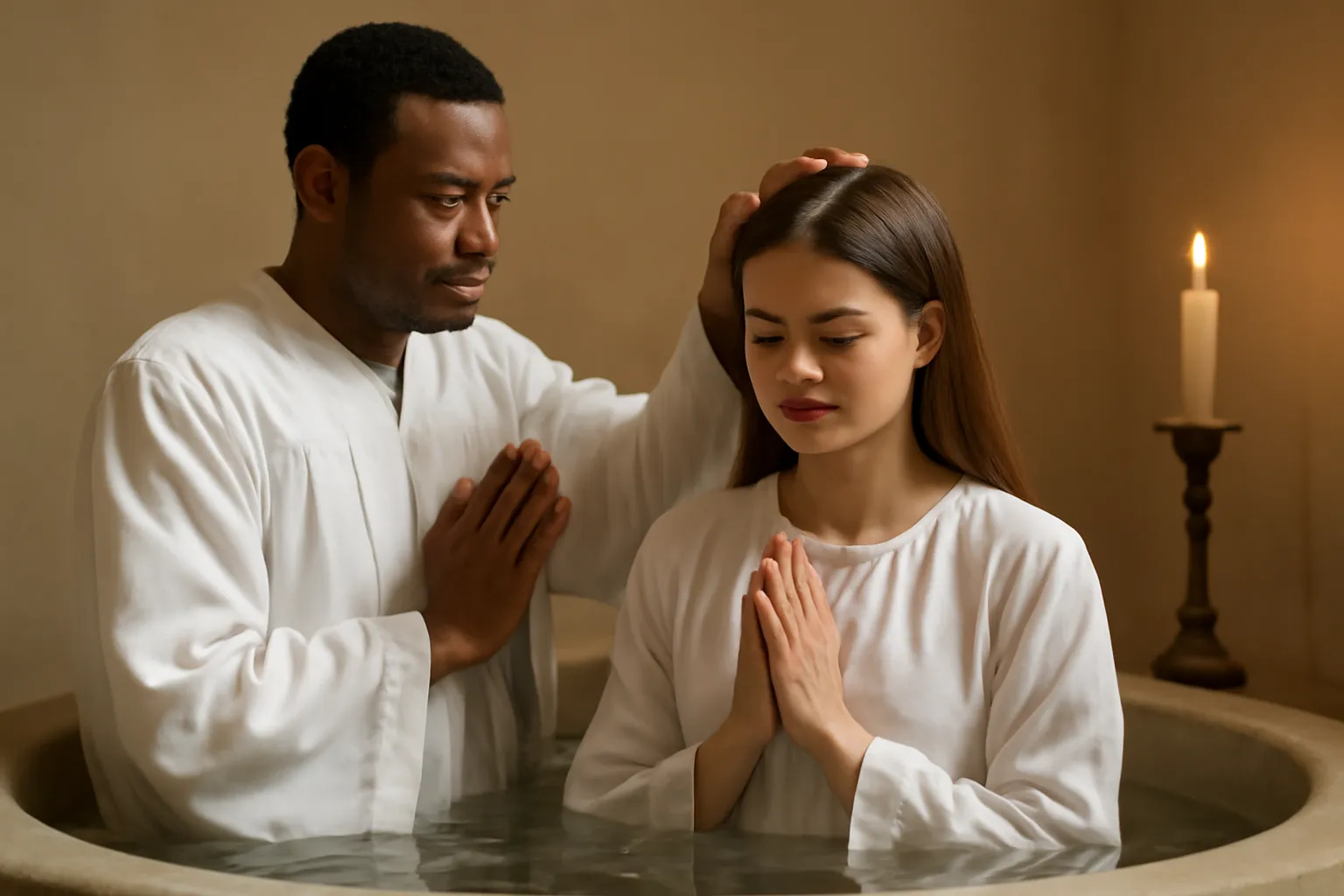
Baptism is a sacred moment in the life of a believer and a family. The prayers that accompany this rite—often called baptismal prayers, prayer for baptism, or baptismal blessings—serve to acknowledge the grace of God, invite the presence of the Holy Spirit, and set a path for the new life that begins in Christ. This article offers a practical guide to understanding, composing, and using such prayers across traditions. It emphasizes breadth and flexibility: you will find examples suited to infant baptism, adult baptism, and variations that fit Catholic, Orthodox, Anglican, and Protestant contexts. The goal is to help you craft meaningful, pastorally sensitive, and theologically sound baptismal prayers that resonate with participants and the faith community.
In the broad spectrum of Christian worship, baptismal prayer is not a single formula but a family of prayers connected to the mystery of inclusion into the Body of Christ. Whether spoken at the font, offered as intercession, or used as personal devotion surrounding the rite, these prayers share common elements: praise and acknowledgement of God, thanksgiving for the gift of life and salvation, supplication for guidance and protection, and a closing blessing that commissions the newly baptized into a life of faith. Readers and worship leaders alike benefit from thinking of these prayers as living language—adaptable to culture, language, and circumstance—yet anchored in ancient liturgical practice.
Throughout this guide you will encounter a range of terms and phrases. To anchor your work, keep in mind that baptismal prayer can take several forms: a prayer spoken by the officiant, a responsive or congregational prayer, a personal prayer from parents or sponsors, and a prayer of thanksgiving or intercession from the church community after the baptism. When these prayers are put together with care, they create a cohesive prayerful arc that honors the sacrament and invites lifelong formation in grace.
The purpose and function of baptismal prayers
Prayers surrounding baptism are more than ceremonial words; they are acts of worship that express belief, confession, petition, and blessing. Here are the core purposes you may consider when selecting or composing baptismal prayers:
Praise and worship: Acknowledging the character and works of God—Father, Son, and Holy Spirit—and praising God for the gift of baptism and new life.
Thanksgiving: Offering gratitude for the gift of creation, redemption, and the church community that gathers around the font.
Petition: Asking for grace for the baptized person, for the parents and sponsors, and for the church’s mission in the world, including ongoing spiritual formation.
Protection and guidance: Requesting divine guidance, strength to live out the faith, and protection from spiritual harm as the person grows in grace.
Commissioning: Sending the baptized into a life shaped by discipleship, service, and witness to the gospel.
In many traditions, a baptismal prayer is also a public declaration of intent—for parents, sponsors, and the congregation—to nurture the child or adult in the faith. The language of these prayers should be clear, hopeful, and realistic about the challenges of life in a world where faith is lived out in ordinary hours and daily decisions. The tone may be formal or pastoral, but it should always be faithful to the Christian gospel and the sacramental character of baptism.
Structure and language: how baptismal prayers are built
While there is no single template for baptismal prayers, many effective prayers share a familiar architecture. Understanding this structure helps you read and compose with intentionality. Consider the following elements as you work with baptismal prayers:
Invocation or opening address to God the Father, Son, and Holy Spirit. This anchors the prayer in the triune God and signals that the rite is a spiritual encounter.
Thanksgiving for creation, life, the sacrament of baptism, and the community gathered around the font.
Petition for the baptized: grace, faith, wisdom, courage, persistence in prayer, and growth in virtue.
Petition for the family and sponsors: strength, responsible upbringing, and consistent example of Christian living.
Petition for the church: unity, mission, and fidelity to the gospel in word and deed.
Commissioning or blessing: sending the baptized into a life of discipleship, service, and hope in Christ.
Conclusion: a doxology, Amen, or a closing blessing that seals the prayer with confidence in God’s grace.
In terms of language, baptismal prayers should balance formality with accessibility. Depending on the cultural context, you may favor traditional phrases, or you may opt for contemporary language that remains theologically precise. It is often helpful to draft a few options at different levels of formality so that the officiant can adapt to the occasion, audience, and liturgical style. Keep in mind key theological anchors, such as the cleansing of sin, the gifts of the Spirit, and the vocation to holiness and service.
Traditions and variations: how baptismal prayers appear across denominations
The practice of baptism and the way prayers are integrated into the rite varies widely among Christian traditions. Each tradition brings its own emphasis, language, and ritual nuance, yet all share the conviction that baptism is a sacred initiation. Here are some broad patterns and practical considerations:
katholische katholische und orthodoxie (Catholic and Orthodox contexts)
In Catholic practice, baptismal prayers often appear within a formal rite that includes the exorcisms, renunciations, and the anointing with chrism. The language tends to be rich and liturgical, with strong echoes of the early Church. Baptismal prayers in this context may be integrated with the blessing of water, the profession of faith by the parents or godparents, and the invocation of the saints. An important feature is the emphasis on new life in Christ and the sealing with the Holy Spirit.
In many Orthodox communities, the baptism is deeply sacramental and often accompanied by additional rites such as the blessing of the oil (myrrh) and a full immersion. The prayers emphasize the transformative power of the Holy Spirit and the incorruptible life promised in the tomb of Christ’s resurrection. The language frequently uses scriptural allusions and patristic imagery, while still serving a practical pastoral function for families and sponsors.
Anglican and Protestant traditions
Within Anglican and broader Protestant churches, baptismal prayers are often integrated into a liturgy that values both reverence and accessibility. The prayers may be intercessory, focusing on the parish community’s responsibility to nurture the baptized, or they may be more intimate, directed to the child or adult candidate. The emphasis here is often on the covenant relationship established in baptism, the call to faith, and the grace that sustains growth in the Christian life.
Evangelical and non-denominational contexts
In evangelical or non-denominational settings, baptismal prayers may be concise and heart-centered, focusing on personal trust in Jesus and the public witness of faith. They may appear as short, sincere petitions offered by parents on behalf of the child, or as a brief blessing invoked by the church body. Even in simpler forms, the prayers should carry the weight of sacramental meaning and the communal responsibility to disciple the baptized.
Practical steps to prepare baptismal prayers
Whether you are planning an infant baptism, an adult baptism, or preparing a service for a parish, these practical steps can help you craft and select appropriate baptismal prayers. The goal is to align the rite with pastoral care and theological integrity while inviting participation from all present.
Clarify the context: Is this infant baptism or adult baptism? What is the cultural and linguistic context of the congregation? What is the liturgical order?
Identify the participants: Who will speak, who will respond, who will participate in the prayers? Consider the roles of parents, godparents, sponsors, choir, and the wider church.
Set the tone: Decide on formal or contemporary language, singable or spoken responses, and whether prayers will be spoken aloud or offered silently in the hearts of the congregation.
Gather elements: Collect Scripture passages, traditional motifs (light, water, fire, oil, dove, Spirit), and phrases that express the gospel clearly.
Draft or curate: Write or assemble a set of prayers: an invocation, a thanksgiving, intercessions, and a blessing. Prepare multiple options to fit different contexts.
Seek counsel: If possible, review your drafts with a pastor, liturgist, or spiritual advisor who can offer theological and pastoral feedback.
Refine for clarity and brevity: Ensure that language is accessible, concise, and memorable. Avoid repetitious or overly ornate phrasing that can obscure meaning.
As you work, remember that the baptismal prayers are not merely words, but a conduit of grace. The authenticity of the intention—faith, hope, and charity—helps the prayers become a meaningful part of the rite and the ongoing life of the baptized.
Sample prayers and practical variations
Below you will find practical samples categorized by purpose and audience. Each example is designed to be adaptable and easily used in different settings. Where relevant, I have highlighted key phrases to help you identify essential themes that you may wish to emphasize or personalize.
Sample baptismal prayer for the candidate (infant or adult)
Dear heavenly Father, we give you thanks for the gift of baptism, through which you invite this child into the family of faith. As this water is blessed and made holy, may your Spirit fall upon your servant, and may your grace cleanse and renew. Wash away sin, grant new life, and seal this one with the gift of your Holy Spirit. Teach them to walk in your ways, to trust in your promises, and to grow in the grace of Jesus Christ, our Lord. Amen.
Or, for a more contemporary version: Gracious God, you call us by name and claim us as yours through the gift of baptism. As this water is poured, may your presence be close, may your grace be sufficient, and may this child come to know your love in Jesus Christ. May they live as your beloved, drawn by your Spirit into a life of faith, hope, and love. Amen.
Sample prayer for parents and sponsors
Lord God, we thank you for the gift of this child and for the love of this family. Grant the parents and sponsors the wisdom and courage to model a life of faith. May they guide this child toward a personal relationship with you, through daily prayer, Scripture, and the example of Christian virtue. Enable them to nurture faith and to point to Christ in all of life. Through the baptism you have given, make them steadfast witnesses of your grace, in the name of Jesus Christ. Amen.
Sample prayer of thanksgiving after baptism
We give you thanks, O God, for the gift of baptism and for the grace that you pour out upon your people. We praise you for adopting us as your children, for cleansing us from sin, and for the gift of new life in Christ. May this newly baptized one always know your love, grow in faith, and be a faithful witness to your gospel. We ask this through Jesus Christ our Lord. Amen.
Intercessions for the church and the world
Gracious God, hear our prayers for the church universal: empower us to live as one body, to proclaim the gospel with integrity, and to care for the vulnerable with compassion. Lord, bless the leaders and the communities gathered here today, and send your Spirit to bring peace, healing, and reconciliation to a weary world. May the light of Christ shine through this baptism and illuminate the path of justice and mercy. Amen.
Brief responsive prayer (congregational)
Leader: Blessed be God, the Father, the Son, and the Holy Spirit.
People: And blessed be God forever. Amen.
Guidelines for writing your own baptismal prayers
Crafting baptismal prayers that are meaningful requires careful attention to content, tone, and community impact. Here are practical guidelines to help you develop authentic prayers for any baptism:
Stay anchored in Scripture: Let biblical motifs—water, light, birth, cleansing, renewal, Spirit, covenant—shape your language.
Use clear, hopeful language: Choose phrases that a child can hear and a catechumen can understand. Avoid overly complex diction that may obscure meaning.
Highlight grace and vocation: Emphasize God’s initiative in baptism and the invitation to a lifelong journey of discipleship.
Balance personal and communal dimensions: Include the individual’s relationship with God and the faith family’s responsibility to nurture and support.
Provide multiple options: Prepare short and long versions, including a concise form for times of limited span and a fuller form for solemn occasions.
Consider the audience: Adapt language for infants, older children, or adult converts. Include inclusive imagery where appropriate.
Respect liturgical norms: If you are in a liturgical tradition, align your prayers with approved rubrics and the church’s language for baptism.
By following these steps, you can create baptismal prayers that are both theologically precise and pastorally sensitive. Your aim is to support the candidate’s journey and to strengthen the faith of the whole gathered community.
Variations and stylistic options to add semantic breadth
To enrich your repertoire of baptismal prayers, consider incorporating some of the following stylistic variations. These options help you meet different liturgical needs, cultural expressions, and language preferences, while preserving the core theological commitments of baptism.
Litany-style prayers: A responsive format with short petitions and congregational responses, suitable for large assemblies.
Petitions centered on the four pillars: Creation, redemption, sanctification, and commissioning, creating a coherent thematic arc.
Metaphor-rich prayers: Water, light, seed, and childlike faith provide vivid imagery that helps all participants enter into the mystery.
First-person child-friendly language: When appropriate, craft versions that the baptized person can grow into as they mature in faith.
Quiet, contemplative forms: For contemplative services or times of prayerful reflection around the font.
Seasonal or missionary accents: Adapt prayers to the church season (Lent, Easter, Pentecost) or to a specific mission emphasis.
Common mistakes to avoid when composing baptismal prayers
Even well-intentioned prayers can miss the mark if they fail to connect with participants or blur the theology of baptism. Here are some common missteps to avoid:
Overly vague language: Avoid prayers that are too general to be meaningful or memorable.
Excessive repetition: Repetition can dilute the impact; be purposeful with repeated phrases.
Neglect of the church’s mission: Remember to connect personal blessing with the community’s responsibility to nurture faith.
Inconsistent theology: Ensure that the prayers consistently affirm grace, Baptism’s significance, and the work of the Trinity.
Inclusion challenges: Be mindful of gender-neutral language when appropriate and inclusive language for families and caregivers.
Practical, well-framed baptismal prayers help the congregation enter more deeply into the mystery of baptism. They bridge the moment at the font with a lifelong journey of faith, joining the tenderness of a family’s hope with the bold confidence of the gospel. By combining traditional motifs with contemporary language, you can create prayers that are timeless in their truth and timely in their relevance.
As you prepare for baptism, remember that the power of prayer lies not in clever phrases but in the truth of God’s grace proclaimed and received. The baptismal prayers you choose or compose become a covenantal invitation: to believe, to belong, and to become followers of Christ who are formed by the Spirit and sent into the world to bear witness to God’s love.
In this spirit, you are invited to collect, adapt, and recite the prayers that best reflect your community’s faith, language, and heart. May your baptismal prayers be a source of blessing for the one being baptized, a glow of hope for the families, and a steady flame of witness for the church.

 Por Laura Jara