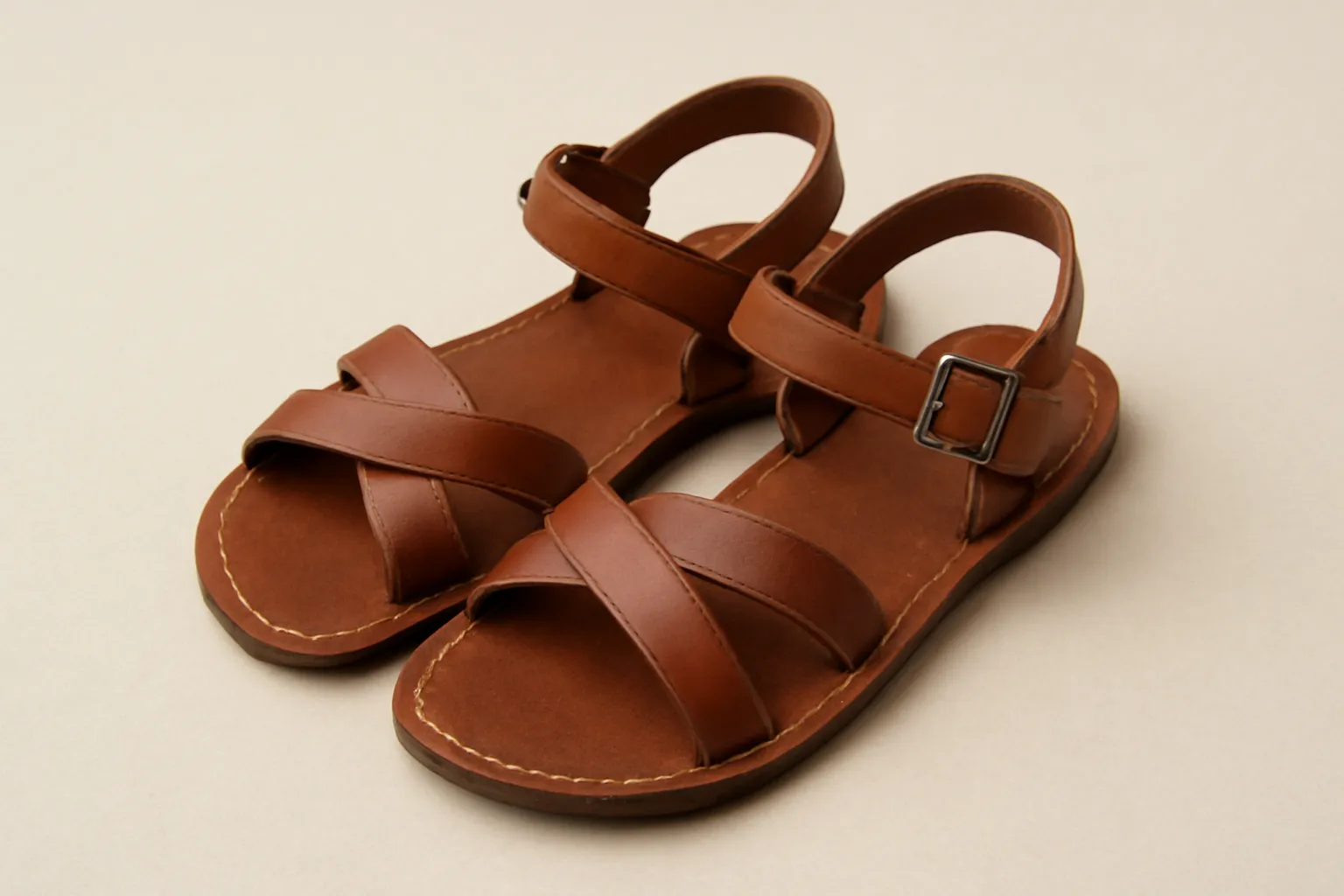
Footwear plays a quiet but telling role in the study of the ancient world, and biblical sandals — in their many forms — offer a window into daily life, travel, labor, ritual, and even warfare. The phrase “Bible sandals” evokes images of travelers marching across desert roads, priests entering sacred spaces, and shepherds guiding their flocks along dusty routes. This article surveys the styles, tracing the history of ancient footwear associated with biblical times, and shows how to wear modern interpretations without losing sight of their origins. We will explore a range of terms—biblical sandals, ancient sandals, Jerusalem sandals, caligae, Gezer sandals, and more—to give a broad, accurate view of what people wore and why it mattered.
The term Bible sandals refers to the sandals that appear in or are described by biblical texts and related archaeological contexts. They were typically open-toed, strap-based footwear made from leather, fabrics (like flax or other plant fibers), or sometimes rope and natural bindings. They served practical purposes in hot climates: ventilation, ease of wear, and a simple design that could be repaired in the field. In a broader sense, biblical sandals encompass everyday footwear worn by farmers, shepherds, merchants, travelers, priests, soldiers, and kings across the ancient Near East and the Mediterranean world.
Historical context and origins
Footwear in the biblical world was shaped by climate, terrain, social status, and ritual life. The hydrology and geography of the region—desert heat, rocky trails, and dusty lanes—favored durable, easy-to-maintain sandals. Archaeologists have uncovered a range of sandal forms from sites across the Levant, Egypt, Mesopotamia, and the Aegean. The history of these sandals is not a single story but a tapestry of regional styles and time periods, each leaving a trace in textual and material culture.
Materials and construction
Leather soles and straps were common due to their availability and durability. Leather could be thick enough to protect the foot but thin enough to flex with movement.
Straps made of leather, plant fibers, or rope bound the foot and ankle. The arrangement of straps varied by region and era, from simple thongs to multiple crossing bands.
Some sandals used toe thongs, where a strap passes between the big toe and second toe, then connects to a network of straps across the foot. This design provides a secure fit while keeping the upper portion light and breathable.
Solidity and grip sometimes came from a rudimentary sole made of leather, hide, wood, or composite layers. In harsher terrain or for soldiers, soles could be thicker or studded with small nails or pegs.
Adhesives were often natural resins or pitch, and repair was a common skill in agrarian and nomadic contexts.
Geographic variations
Regional differences reflect climate, trade networks, and craft traditions. For example, in the Levant, sandals often featured multiple straps with a thong between the big toe. In Egypt, sandals could emphasize flat soles and broader straps suitable for long-city travel. In Mesopotamia, desert roads and river travel informed both construction and materials. These regional variants are collectively described in modern literature as biblical sandals or ancient footwear of the Near East, even when the precise styles differ from one site to another.
Footwear in biblical and Near Eastern cultures sometimes carried ritual or symbolic weight. The act of removing sandals is notable in some narratives, signaling reverence, encounter with holiness, or ritual departure. A well-worn pair of open sandals could indicate long journeys, service in the fields, or attendance at sacred sites. In religious communities today, some people continue to view sandals as a respectful and functional choice for ceremonial or pilgrim contexts, aligning practical wear with spiritual memory.
Styles and named variants
When we speak of styles of bible sandals, we refer to the range of strap configurations, sole shapes, and design cues that appear in biblical-era depictions and archaeological finds. Here are several notable variants and their characteristics:
Leather strap sandals (basic thong and cross-strap)
The basic thong style uses a thin strap that passes between the toes and connects to a sole via a small anchor strap or a Y-shaped arrangement above the foot.
Additional cross-straps can wrap the foot and secure at the ankle. This design balances support with the desired minimal footprint on hot days.
In the biblical world, this configuration was highly practical for laborers and travelers who needed quick on-and-off footwear.
A common evolution adds a second strap or multiple straps that criss-cross over the top of the foot or wrap around the ankle for extra security.
These arrangements can provide better stability on uneven terrain without sacrificing the easy maintenance of a sandal.
In art and textual descriptions, you may encounter sandals with a more complex strap network, illustrating the craft diversity in different communities.
Roman-influenced caligae and military-inspired designs
In Judea and neighboring regions, caligae—the light, heavy-soled, hobnailed military sandals of the Roman era—exerted influence on local footwear aesthetics and functionality.
Caligae typically featured a heavy sole with nailed rivets and multiple leather straps that wrapped the foot and ankle. While primarily Roman, these designs could be adopted by local soldiers and merchants on campaigns in the region.
For modern readers, caligae serve as a reminder that even biblical sandals intersect with broader imperial and military fashion, illustrating cross-cultural exchange in the ancient world.
Pilgrim and travel-focused sandals
Travelers and pilgrims across the biblical lands often wore sturdy, straightforward sandals designed for long stretches on dusty roads and rocky paths.
These sandals prioritized durability and ease of repair, with straps that could be adjusted or replaced without heavy tools or specialized skills.
Desert and desert-edge styles
In hot, arid zones, designers favored sandals with more open configurations to maximize airflow and reduce heat buildup.
Desert-oriented versions often used thicker straps to guard against friction, with soles optimized for hot surface temperature and rough terrain.
Bedouin and nomadic-inspired ankle wraps
Some regions favored leather or fabric ankle wraps that secure the sandal while allowing for fluid adjustment during long treks.
These designs reflect a practical harmony between foot stabilization and mobility in open landscapes.
In many biblical and ancient contexts, footwear was not merely utilitarian but also a marker of role and status. The way a person wore sandals—whether simple, ornate, or service-specific—often signaled their daily duties, social position, or religious function.
Laborers and farmers typically wore simple, easy-to-repair sandals designed for long hours in fields, vineyards, and roadways.
Shepherds needed flexible, comfortable footwear to move with flocks over uneven ground.
Travelers and merchants relied on durable, lightweight sandals suitable for road networks and market interactions.
Priests and temple personnel sometimes followed ritual protocols that included ceremonial footwear choices, with certain contexts necessitating bare feet or specific sandal styles.
Soldiers or guards might utilize sturdier, more protective designs, especially when campaigns or patrols took them across varied terrain.
Symbolism and cultural significance
Footwear in biblical narratives often carries symbolic resonance beyond utility. Removing sandals can denote reverence, the sanctity of a space, or the start of a mission. In some stories, the act of tying or untying straps mirrors the responsibilities of leadership and service. For modern readers interested in the cultural layers, biblical sandals remind us that feet led people through deserts, gardens, cities, and religious sites, linking physical journeys with spiritual journeys.
Modern wear: how to wear bible-inspired sandals today
Today’s fashion world has embraced biblical-inspired sandals in many forms. You can find reinterpretations that honor function, craft, and history, while incorporating contemporary materials and silhouettes. This section offers practical guidance on styling, comfort, and care to help you integrate ancient-inspired footwear into modern outfits.
Leather provides durability and a classic look, but requires conditioning to prevent drying and cracking.
Plant fibers or canvas straps offer lighter weight and a more breathable feel, often at a lower cost and with easier washing—though they may stretch with wear.
Check the sole thickness and grip for the activities you plan: walking city streets, hiking light trails, or standing for long periods.
Look for adjustable straps to accommodate different foot shapes and swelling during the day.
Casual everyday: a pair of leather or fabric sandals with a simple tee or linen shirt, paired with chinos or shorts for a relaxed look that nods to antiquity.
Smart-casual: sandals with a darker leather and cleaner lines can be matched with a blazer and tailored pants for a refined but comfortable ensemble.
Travel and pilgrimage-inspired outfits: breathable sandals with wide straps, breathable fabrics, and neutral tones pair well with tunics or long cotton skirts, offering both comfort and a nod to historical aesthetics.
Religious or ceremonial contexts: in some communities, modesty and formality guide footwear choices. If sandals are acceptable, select a restrained, well-made design with closed-toe or minimal ornamentation as appropriate to the setting.
Care and maintenance
Cleaning: wipe leather with a damp cloth; use a conditioner or leather balm periodically to maintain suppleness. For fabric straps, gentle washing can remove dust, but avoid harsh chemicals that may degrade fibers.
Storage: store in a cool, dry place away from direct sun to prevent fading and drying of materials.
Repair: loose straps or worn holes can be fixed with leather punch, stitching, or professional repair, which helps extend the life of the sandals.
Water exposure: many historic-style sandals are not ideal for heavy rain; moisture can degrade leather and stitching. If exposure is unavoidable, dry them away from heat and consider conditioning afterward.
Buying guide: finding authentic or inspired designs
Whether you are seeking an authentic reproduction for historical study, a fashion-forward interpretation, or a comfortable everyday option, here are practical tips to help you choose wisely.
Authenticity and inspiration: look for brands or artisans that explain their design approach—whether they reproduce ancient footgear accurately or create inspired modern versions that capture proportion, strap logic, and function.
Materials: prioritize full-grain leather for durability and a natural patina, or choose sturdy synthetic substitutes for budget-friendly options. For desert- or travel-inspired designs, consider thicker soles with good tread.
Fit and sizing: sandals depend on a secure fit across multiple straps. Check whether the brand offers adjustable straps, especially at the ankle and instep.
Durability: inspect stitching, rivets, and attachment points. Leather straps should be reinforced and not easily stretched.
Care requirements: some materials require regular conditioning or dry-cleaning; ensure you are prepared to maintain the sandals accordingly.
Ethics and sustainability: consider brands that source materials responsibly and provide transparent labor practices for a more conscientious purchase.
Frequently asked questions about bible sandals
Were biblical sandals always open-toed? The majority of evidence points to open-toed designs due to heat management and construction practicality, but regional variations could include coverings for protection in rough weather.
Did priests wear sandals? Yes, priests and temple staff wore sandals like other people, though ritual purity and cultural norms could influence timing and style in ceremonial contexts.
What is the difference between biblical sandals and caligae? Biblical sandals refer to general open-toed sandals from the Near East and surrounding areas, while caligae are a specific type of Roman military sandal with a robust sole and hobnails. In areas under Roman influence, both styles could coexist or blend in practice.
Are modern sandals accurate representations of ancient footwear? Modern interpretations vary. Some aim for historical accuracy with period-appropriate materials and construction; others prioritize comfort and fashion while capturing the essence of ancient forms.
Conclusion
Bible sandals encompass a broad spectrum of footwear used across the biblical world and its surrounding cultures. From basic leather thong designs to more complex cross-strap configurations, and from desert-ready models to military-influenced inspirations, these sandals reveal how people navigated heat, terrain, and daily responsibilities while maintaining mobility and resilience. They were not merely practical gear; they were part of a life shaped by journeys—across fields and deserts, to markets and temples, through seasons of work and worship. For today’s wearer, a pair of biblical-inspired sandals can offer more than comfort. They can connect us with a long lineage of travel, faith, craft, and culture. Whether you seek authenticity in materials, a nod to history in design, or simply a versatile, comfortable pair for everyday use, these sandals invite you to walk with an ancient rhythm while staying grounded in the present.

 Por Laura Jara