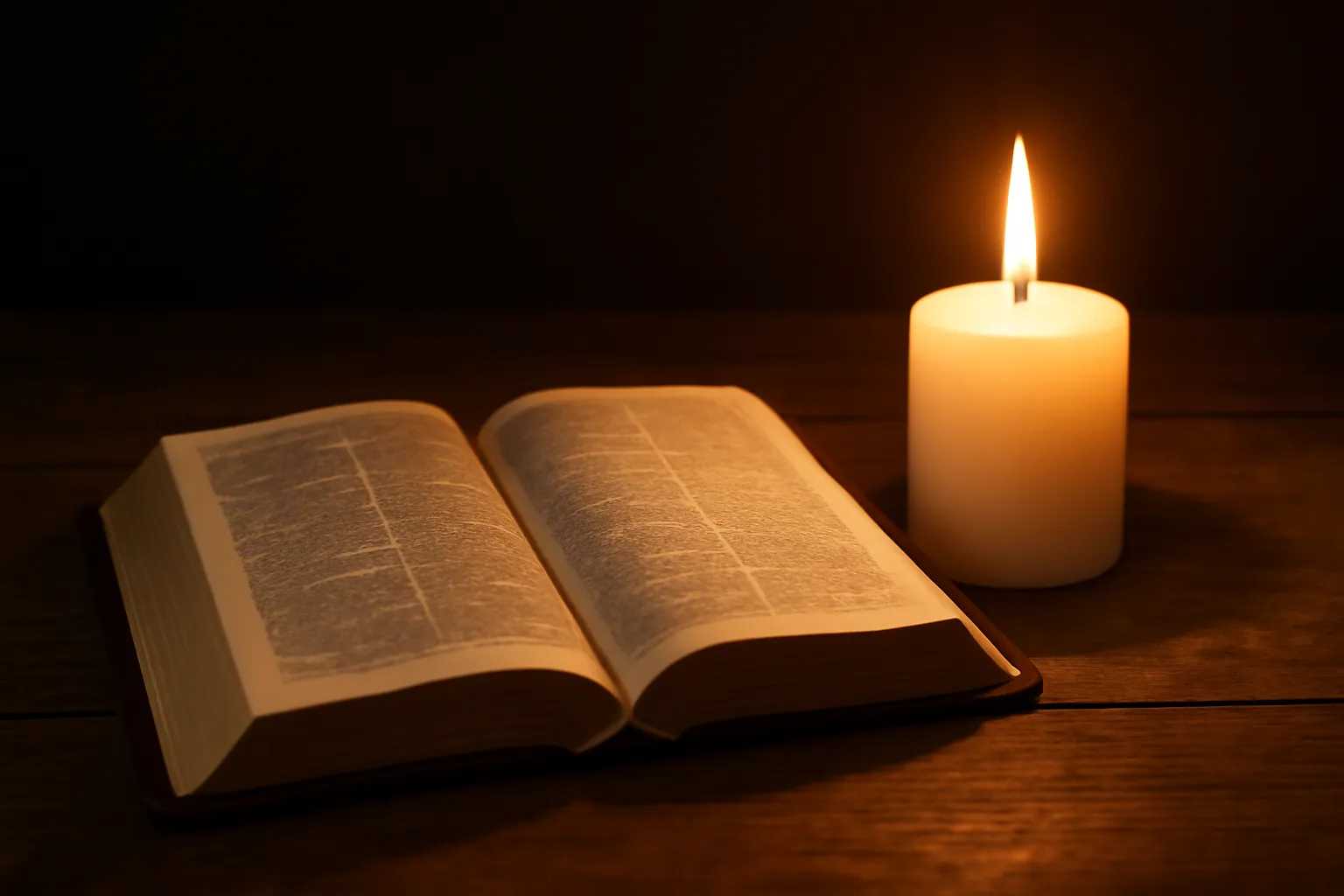
Welcome to Bible with Candle: A Practical Guide to Candlelit Bible Reading. This article explores a timeless practice that blends focus, atmosphere, and devotion. Reading sacred texts by candlelight can transform the ordinary act of Bible study into a contemplative ritual, inviting you to slow down, listen more deeply, and engage your senses in the process of grasping meaning. Whether you approach Scripture for quiet personal devotion, disciplined study, or liturgical reflection, a bible with candle can become a trusted companion for the journey.
There is a particular resonance in turning down electric light and opening a page by the soft glow of a flame. The candlelit Bible reading experience tends to heighten attention, reduce distraction, and invite reverence. When you read by candlelight, the mind often slows, the voice naturally lowers, and you may notice words, phrases, or patterns you would otherwise skim past in brighter conditions. This is not merely atmosphere; it is a practice that can shape your encounter with the text in meaningful ways. In many traditions, lamp or candle imagery accompanies Scripture itself—God as light, the Word as illumination, and the reader as one who walks in the glow of revelation. The idea of a lamp-lit scripture journey is less about rustic nostalgia and more about a deliberate rhythm that helps you listen for nuance, context, and personal application.
What you need to begin: a practical starter kit
You can start a candle-lit Bible reading routine with a modest setup. The goal is to create a stable, comfortable space where the light supports focus rather than distracts. Here is a practical starter list:
A reliable light source: one or two candles in stable holders, plus a backup option such as a LED candle or a small lamp for safety margin.
A suitable surface: a sturdy table or desk with a flat area for a Bible, notebook, and writing instrument.
A Bible or text with clear print: choose a translation you can read comfortably, ideally with a font size that remains legible in low light. Consider a study Bible with clear margins and cross-references if you plan longer sessions.
Writing materials: a notebook or journal for reflections, a bookmark, and a pen or pencil for jotting impressions, questions, or prayers.
Safety gear: a snuffer or candle snuffer, long lighter or match, heat-safe tray, and a stable surface away from papers or fabrics that might catch fire.
Optional aids: a hymnal or prayer card for spoken practice, a music playlist with calm background ambience (if that helps you settle), and a small clock or timer to structure your session.
Setting up the space: atmosphere, safety, and rhythm
A well-prepared environment enhances both safety and spiritual engagement. Consider these practical steps when preparing your candle-lit Bible reading space:
Choose a quiet, low-traffic location
Look for a place where you can minimize interruptions. A bedroom desk, a quiet corner of a living area, or a secluded chair in a study can work well. The goal is a space where you can sit still, breathe, and attend to the text without constant distractions.
Position the light for comfort and legibility
Place the candles so the flame lights the page without causing glare. If you use two candles, position them to create gentle, even illumination across the page. Avoid direct eye-level brightness that can strain the eyes. Test the setup before you begin to ensure you can read the page with ease in this light level.
Protect the reading surface
Keep candles away from liquids, papers, and fabrics. Use a heat-proof tray or dish to catch any wax drips. If you’re worried about pets or small children, consider a secure candle stand with a stable base or a glass-covered lantern that still preserves the candle’s glow.
Establish a gentle routine
Develop a simple rhythm for the session. For example, begin with a brief moment of silence, light the candles, read a selected passage, reflect in your journal for five to ten minutes, and close with a short prayer. Having a predictable sequence helps your mind settle into the practice and reduces the tendency to rush through the text.
Choosing candles and tools: what works best in a “Bible with candle” practice
There are many ways to approach the hardware of a candle-based devotional. The key is safety, simplicity, and compatibility with your reading style. Below are common choices and how they can support a thoughtful experience.
Types of candles
Traditional beeswax or soy wax candles for a clean burn and pleasant scent profile that doesn’t overpower the text.
Tall taper candles provide long burn times and a slender glow that can sit comfortably on a desk or dining table.
Sturdy votives in glass offer safety and steady light, especially on a busy surface.
LED candles as a safe alternative when real flames are impractical, especially in shared spaces or apartments with fire safety constraints.
Accessories that help with focus
Candle snuffer to extinguish flames without blowing wax around.
Long-stem lighter or matches for safer lighting and re-lighting without leaning over the flame.
Sturdy candlestick or hurricane lamp to reduce tipping and provide a stable visual anchor.
Ventilation, wax management, and comfort
Ensure the room has gentle ventilation and an even temperature. A small breeze through a window can flicker flames, which may be distracting. Keep a small cloth nearby to wipe stray wax drips and to wipe a finger if you accidentally touch the wick or hot surface.
Reading techniques for candlelit sessions
How you read in candlelight can influence comprehension and reflection. Below are practical strategies to maximize the impact of bible with candle sessions, whether you are reading alone or within a small group.
Set a passage and pace
Choose a passage with a clear structure and meaningful contours—narrative sections, parables, or a short epistle. Read slowly, savoring phrases as you would in a musical lyric. Allow the cadence of the words to guide you rather than rushing to the end of the paragraph.
Engage both eyes and imagination
In candlelight, words can seem more tactile. Try a reading technique that engages imagination: imagine the scene as if you were there, feel the emotions described, picture the people involved, and notice any imagery that speaks to you. This imaginative engagement often reveals layers of meaning that straightforward recitation may miss.
Annotate in a thoughtful system
Use a simple annotation system in your journal: a) note a question you have, b) write a short reflection, c) mark a phrase you want to memorize or meditate on. Keep the notes concise and legible in dim light. If you wish, underline or bracket key terms with a pencil to avoid ink smudging the page when wax is nearby.
Pairing reading with a short prayer or meditation
Many readers find it meaningful to begin with a short opening prayer for illumination and end with a closing prayer of gratitude. This practice can frame the process and remind you that you are not merely studying a text but inviting interior transformation through the words you encounter. Consider a simple structure like: a moment of stillness, a request for understanding, a short reading, a reflective note, and a closing blessing.
Movement and breath for focus
Whenever you notice your mind wandering, try a gentle reset: take three slow breaths, release with a soft exhale, and return to the paragraph you left. This brief breath exercise complements the soft glow of the candle and helps re-center your attention on the text.
Translations, typography, and accessibility in candlelit study
Low-light reading places importance on text clarity. Not every version of the Bible is equally easy to read in candlelight. Consider these practical considerations for a comfortable bible with candle experience:
Choosing a translation and layout
Opt for translations with clear, high-contrast typesetting and generous margins. A line-spaced layout reduces eye strain in dim light.
Consider larger print editions or digital formats with adjustable font sizes. If you use a tablet or e-reader, enable a high-contrast mode or a dark-on-light setting depending on what feels easiest to read in your candlelight.
Study Bibles with cross-references can be valuable, but in candlelight, a simpler layout may reduce cognitive load while you establish a reading rhythm.
Typography and font characteristics
Sans-serif fonts with clear shapes often read more easily in low light, but some readers prefer classic serif fonts for the ink texture and readability at length.
Line length matters: shorter lines decrease the chance of losing your place in the page’s glow.
Accessibility considerations
If you have visual challenges or prefer alternative formats, you can combine candlelight with audio resources or braille/large-print editions. The candlelit Bible study approach remains flexible enough to adapt to different accessibility needs, as long as safety and readability remain the priorities.
Spiritual practices that complement candle reading
In many traditions, a lamp-lit Scripture practice is about more than textual understanding. It integrates devotion, prayer, worship, and reflection. Here are some ways to enrich candle-focused reading sessions:
Prayerful preparation and response
Begin with a brief prayer for guidance in understanding and application. End with a short moment of gratitude, asking for the grace to live out the insights you have received. This transition from study to action can turn a quiet evening into a meaningful spiritual discipline.
Journaling as a spiritual discipline
Keep a dedicated journal for bible with candle reflections. Besides jotting insights, you can write down answers to questions that arise during reading, ideas for further study, or ways you plan to apply a verse to daily life. The candle’s glow can serve as a visual cue to return to your notes in future sessions.
Group candle readings: communal discipline
In a small group, the ritual of lighting candles together can symbolize shared focus and mutual encouragement. Structure can include a read-aloud segment, followed by a period of silent listening, then table discussion with guidance questions. When working in a group, keep safety a priority and agree on a ritual that respects diverse comfort levels with fire and incense.
Variations and extensions: expanding beyond a single practice
A bible with candle mindset can extend into several related practices that preserve the essence of candlelight devotion while enriching your routine with variety. Here are some flexible extensions you might explore.
Candle-lit Bible study plans
Theme weeks: focus on a single theme (grace, courage, wisdom) and read a curated sequence of verses by candlelight.
Book-scan sessions: take a whole book (like Ruth, Romans, or James) and read it in short installments across several evenings.
Character studies: trace a character’s journey, using candlelight to immerse yourself in the narrative tone and emotional arc.
Integrating art and journaling
Some readers enrich candle sessions by drawing a small illustration, composing a micro-poem inspired by a verse, or creating a symbolic playlist. The creative extension is not for performance but for deeper internalization of the message you’re exploring.
Seasonal and liturgical adaptations
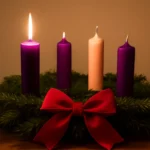
Seasonal cycles—Advent, Lent, Easter—offer natural opportunities to align candle-based study with liturgical rhythms. A candled Bible practice during these seasons can reinforce expectancy, penitence, or celebration in a tangible way, as the light becomes a companion to the church calendar’s themes.
Common challenges and practical solutions
Like any habit, candlelit reading presents potential obstacles. Here are common challenges and straightforward remedies to keep your practice steady and safe.
Eyestrain and glare
Solution: adjust the distance between your eyes and the page, try a larger font, or switch to a higher-contrast edition. If the glow is too intense, consider using a single candle or dimming the light with a shade to reduce glare.
Distractions and wandering thoughts
Solution: begin with a short breathing exercise or a two-minute mindfulness moment before you read. Keep a small «parking lot» section in your notebook for stray thoughts you want to revisit later, so you can return to the text without losing focus.
Wax management and safety concerns
Solution: never leave candles unattended, place them on heat-safe, stable surfaces, and keep a snuffer handy. Consider LED alternatives for groups or shared spaces where continuous supervision isn’t possible.
Time management and consistency
Solution: set a realistic duration—twenty to thirty minutes is a common sweet spot for beginners. Schedule the session at a consistent time, and treat it as a non-negotiable appointment with your own spiritual life.
Creating lasting habits: integrating candlelight reading into daily life
To transform a casual habit into a lasting discipline, you’ll want to integrate bible with candle reading into a broader life pattern. Here are practical tips for building consistency without turning the practice into a rigid ritual.
Make it a “bookend” routine: begin or end your day with a candlelit reading to frame your daily rhythm.
Pair with other quiet activities: after the reading, brew tea, stretch, or write a brief gratitude note to cement the calm mood.
Keep it portable: if travel is part of your life, pack a compact candle (LED for safety) and a compact Bible to maintain the routine on the road.
Measuring progress: signs that your candle-based practice is deepening
Progress doesn’t always show up as a headline improvement in comprehension. Often, the deepest gains are felt as shifts in attention, inner stillness, and a more teachable posture toward Scripture. Look for these signs:
Increased focus: you find it easier to stay with a passage without checking your phone or letting the mind wander.
Better recall: specifics of verses, contexts, or thematic connections come to mind more readily after sessions.
More thoughtful questions: you notice deeper questions arising, not just surface-level curiosity.
Greater consistency: you keep showing up for sessions, even when life gets busy.
Spiritual resonance: you sense the text meeting you in meaningful ways, shaping attitudes or decisions in daily life.
Examples of variations in naming and practice
To honor semantic breadth and keep the practice alive in conversations, you might refer to the activity with different phrases. Here are several alternatives you can use in everyday speech or writing, all describing the same core activity—engaging Scripture through candlelight:
Bible with candle
Candle-lit Bible reading
Scriptures by lamplight
Lamplight Bible study
Candled Scripture practice
Lamp-lit reading of the Word
Using a variety of phrases can help you articulate the practice in different contexts, whether you’re sharing it with a friend, describing a personal routine in a journal, or writing about it for a website or an article. The core elements remain the same: a calm space, a readable text, a gentle light, and a posture of listening.
Conclusion: embracing a simple, enduring practice
The idea of Bible with Candle practice is simple in principle but rich in potential. It invites you to slow down, attend to words with care, and allow the light of a flame to frame your encounter with Scripture. By combining careful setup, thoughtful reading techniques, and gentle spiritual practices, you can cultivate a meaningful habit that nourishes mind, heart, and soul. Whether you call it bible with candle, candle-lit Bible reading, or any of the variations described above, the practice centers on a timeless truth: illumination comes to those who sit with the text, breathe deeply, and listen for what the text might be saying to them in their present moment. May your candle glow as a faithful companion on the journey of discovering, understanding, and applying Scripture in daily life.

 Por Laura Jara