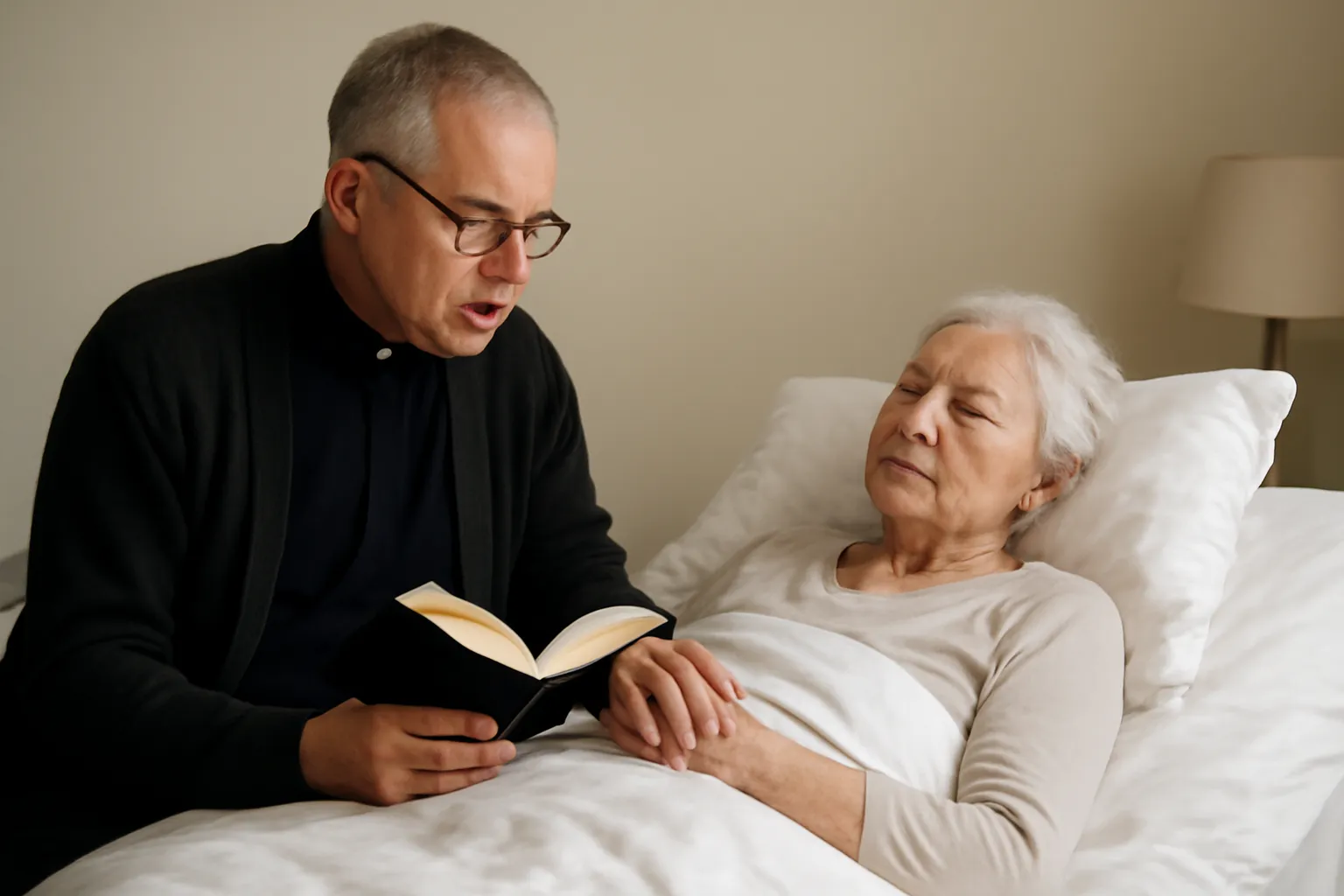
In hospice care, a chaplain provides comprehensive spiritual care, emotional support, and meaning-centered conversations to patients, families, and staff. The role is often filled by ordained clergy or trained lay professionals who are endorsed by faith communities and who are comfortable working across belief systems. The core purpose is to acknowledge and respond to spiritual distress, existential questions, and religious needs that arise at the end of life. Hospice chaplains collaborate closely with the interdisciplinary team to ensure that a patient’s values and beliefs shape care decisions, rituals, and everyday interactions. They do not substitute for medical care but rather complement it by addressing the whole person—body, mind, and spirit.
A hospice chaplain may support individuals at any stage of illness, including those approaching the end of life, and may also provide counseling to loved ones who are navigating grief, meaning, purpose, and moral distress. While faith traditions inform practice, the chaplain’s approach is typically ecumenical and inclusive, honoring diverse religious backgrounds, secular worldviews, and cultural differences. In many programs, chaplains participate in routine spiritual screening, document spiritual needs in the care plan, and advocate for patient-centered care that reflects personal beliefs and preferences.
Core Responsibilities in Daily Practice
Spiritual Assessment and Care Planning
The cornerstone of hospice chaplaincy is a systematic, compassionate spiritual assessment conducted early in the care episode and revisited as circumstances evolve. A skilled chaplain gathers information about beliefs, values, rituals, sources of hope, and sources of spiritual distress. They seek to understand how illness affects a patient’s sense of meaning, purpose, and connection to loved ones or a higher power. Based on this assessment, the chaplain collaborates with the patient, family, and the IDT (interdisciplinary team) to draft a personalized spiritual care plan that can include spiritual exercises, rituals, and referrals to faith leaders or lay ministers. The plan may address questions like: What rituals are meaningful? Are there moral or existential concerns that deserve exploration? How can comfort be found in the midst of suffering?
Documented spiritual goals aligned with patient wishes and medical decisions.
Identification of potential sources of distress, such as guilt, anger, or fear of death.
Consideration of cultural and religious diversity in planning and execution.
Pastoral Counseling and Support
Individual, couple, and family counseling are core activities. The chaplain creates a safe, nonjudgmental space for patients to express fears, hopes, regrets, and gratitude. They use reflective listening, open-ended questions, and validation to support transitions, such as accepting prognosis, making sense of illness, or navigating role changes within the family. The chaplain may also help with meaning-making conversations—exploring what matters most now, how to reconcile conflicting values, and how to identify sources of comfort and resilience. When appropriate, they facilitate family-centered conversations that strengthen connection while respecting patient autonomy.
Exploration of existential concerns (death, guilt, forgiveness, unfinished business).
Assistance with values clarification and care preferences.
Maintenance of boundaries to protect the patient–chaplain relationship and family dynamics.
Rituals, Sacraments, and Sacred Practices
Where permitted by the patient’s faith community and clinical context, chaplains facilitate or coordinate sacraments and sacred practices such as prayer, blessing, anointing, communion, or confession. They also plan and conduct rituals and ceremonies that honor the patient’s beliefs, celebrate milestones, or mark transitions. In multifaith settings, chaplains may collaborate with other spiritual leaders to ensure authentic practice and mutual respect. It is essential to obtain explicit consent and to adapt rites to the person’s physical condition and safety concerns.
Coordination with clergy or faith leaders to deliver requested rites.
Adaptation of rituals to physical limitations or hospital policies.
Respect for patient preference when no service is feasible; offering alternative symbols of care.
Ethical Guidance, Values, and Advance Care Planning
Chaplains assist with ethical deliberation that touches on spiritual and moral dimensions of care. This includes values-based discussions about prognosis, quality of life, goal alignment, and end-of-life decisions. They help families process conflicting values, support informed consent, and assist in ensuring that advance directives reflect the patient’s beliefs. In some programs, chaplains act as a bridge between medical ethics consultations and family perspectives, helping to translate medical information into ethically meaningful choices.
Assistance with advance care planning conversations and documentation.
Support during ethically challenging decisions (e.g., DNR status, withdrawal of life-sustaining treatments).
Respect for patient autonomy and dignity while honoring family dynamics.
Crisis Intervention, Grief, and Comfort at the Bedside
In moments of acute distress—fear, panic, or confusion—the chaplain provides a calm, present presence at the bedside. They may offer concise spiritual reassurance, mindfulness-based practices, or prayerful support tailored to the patient’s preferences. During sudden changes in condition or impending death, they offer emergency spiritual care to help alleviate existential pain and to stabilize the emotional climate for loved ones.
Real-time de-escalation of spiritual distress with a calm presence.
Brief, trauma-informed supportive dialogue for patients and families.
Guidance on legacy work, forgiveness, and closure opportunities.
Educational Outreach and Staff Support
The chaplain plays a vital role in educating the care team about spiritual care principles, cultural humility, and respectful communication about death and dying. They offer informal coaching, formal trainings, and resources to help staff respond to spiritual distress in patients and families. This support reduces burnout, improves communication, and enhances overall care quality.
In-service trainings on spiritual history taking, active listening, and cultural competence.
Guidance on maintaining appropriate boundaries and self-care for caregivers.
Development of spiritual care protocols and care-plan templates.
Bereavement Support and Aftercare
Following a patient’s death, chaplains extend bereavement support to families and sometimes staff. This includes follow-up calls, grief counseling referrals, support groups, and memorial services. By acknowledging diverse grieving styles and timelines, chaplains help families begin to adapt to loss while honoring the deceased person’s memory in meaningful ways.
Structured bereavement follow-up plans with frequency and content.
Coordination of memorial rituals or remembrance events.
Referral to community resources, clergy, or grief specialists as needed.
Collaborative Care within the Interdisciplinary Team
Hospice care hinges on interdisciplinary collaboration. The chaplain works alongside physicians, nurses, social workers, spiritual counselors, and hospice aides to ensure that spiritual needs are recognized and integrated into the overall plan of care. They participate in team rounds, care conferences, and family meetings to share insights about patient values, ethical considerations, and the impact of illness on meaning and purpose.
Attendance at daily or weekly IDT rounds to convey spiritual status and risks.
Communication of patient preferences to all team members while respecting confidentiality.
Joint planning for rituals, memorials, and bereavement pathways.
Care Planning and Documentation
The chaplain contributes to a holistic care plan with specific, measurable spiritual goals. Documentation should clearly reflect assessments, planned interventions, consent for rites, and anticipated outcomes. Accurate record-keeping supports continuity of care, enables other team members to respond appropriately, and can be vital during crises when patient or family members’ access to information may be limited.
Use of standardized spiritual history tools and documentation templates.
Documentation of consent for sacred practices and any requested rites.
Updates to the care plan as spiritual needs evolve.
Respect for Cultural and Religious Diversity
A cornerstone of team-based care is cultural humility and respect for diverse beliefs. Chaplains may encounter patients and families with complex or conflicting spiritual frameworks. They honor these differences, seek to understand distinctive practices, and coordinate with faith leaders or community resources to ensure authenticity and respect.
Recognition of different religious calendars, dietary considerations, and rituals.
Addressing language barriers and providing interpretation as needed.
Appropriate referrals to faith communities to support the patient’s spiritual life.
Bereavement care is a critical extension of hospice chaplaincy. It begins even before death, as families prepare for loss, and continues long after. Chaplains tailor aftercare to individual needs, offering resources and continuing to validate the pain of loss. They help families articulate memories, forgive, and find ways to honor the person who has died, often through rituals, support groups, and written reflections.
Seasonal check-ins and milestone markers (anniversaries, holidays) that can reopen grief.
Support groups led by chaplains or trained professionals for different age groups or cultures.
Assistance with memorial services, fundraising for legacy projects, or charitable acts in memory of the patient.
Long-Term Connection and Follow-Up
Some programs maintain long-term connections with families, recognizing that grief evolves over time. Chaplains may offer optional ongoing sessions or periodically check in to assess adjustment, spiritual well-being, and the emergence of new questions about meaning or faith.
Referral pathways to community mental health resources or chaplaincy services.
Documentation of bereavement outcomes and family feedback to improve care.
Cultural and Religious Diversity in Hospice Chaplaincy
A hospice chaplain’s practice is built on respect for diversity and a commitment to meeting people where they are. This means acknowledging a wide array of beliefs—from major world religions to indigenous spiritualities, secular humanism, and personal philosophies. Chaplains cultivate cultural humility, ask about preferred language and practices, and avoid assumptions. They often learn basic customs from the patient or family and know when to consult community leaders to ensure authenticity and comfort.
Recognition of dietary restrictions, holy days, and ritual timelines.
Inclusive language that honors spiritual identities without stereotyping.
Coordination with diverse faith leaders for patient-centered care.
Respectful Communication Across Belief Systems
Communication is central to spiritual care. Chaplains use respectful, nonjudgmental language and practice active listening to understand beliefs without labeling them as right or wrong. They facilitate conversations that empower patients and families to articulate needs clearly, and they support staff in navigating sensitive topics with empathy and tact.
Non-coercive dialogue that honors patient autonomy.
Clear boundaries around what is and isn’t possible within clinical contexts.
Strategies to avoid religious coercion while offering meaningful options.
Spiritual distress—feelings of abandonment, guilt, or questioning—can accompany serious illness. Chaplains provide meaning-making interventions that help individuals interpret suffering, reframe experiences, and reconnect with sources of hope. They also offer comfort in the face of uncertainty and provide existential risk assessment to identify cases where additional supports may be beneficial, such as counseling or peer support.
Guided reflections, prayer rituals, or contemplative practices aligned with the patient’s beliefs.
Assistance with forgiveness work, reconciliation, and reconciliation with self.
Support for patients wrestling with guilt, shame, or unresolved issues.
Managing Spiritual Crisis and Crisis of Faith
Some patients experience a crisis of faith or spiritual crisis triggered by illness. In these moments, chaplains provide a steady, non-anxious presence and help patients examine beliefs, values, and beliefs about meaning. When appropriate, they coordinate with trusted faith leaders or mentors who can provide specialized spiritual guidance.
Structured dialogue that respects diverse outcomes, including acceptance of various spiritual paths.
Resources for crisis counseling and mental health referrals when distress is persistent.
Strategies to avoid spiritual bypassing, ensuring honest engagement with suffering.
Education, Training, and Professional Development
Hospice chaplains pursue ongoing education to stay current with palliative care best practices, spiritual care ethics, and culturally competent care. Training often includes supervision, reflective practice, and participation in professional associations. Continuous development supports better patient outcomes, stronger interprofessional collaboration, and personal growth within the role.
Formal education in chaplaincy, pastoral care, theology, or religious studies.
Supervised clinical work in hospice or palliative settings.
Participation in continuing education on end-of-life care, ethics, and spiritual assessment tools.
Professionals in this field must practice strong ethical judgment, maintain appropriate boundaries, and model healthy self-care. Regular supervision helps chaplains process emotional experiences, manage moral distress, and prevent burnout. Ethical considerations include patient confidentiality, dual relationships, and respecting patient autonomy while providing compassionate guidance.
Maintenance of professional boundaries and informed consent for care.
Participation in supervision or peer consultation to support decision-making.
Adoption of self-care routines and utilization of institutional wellness resources.
Caring for others in end-of-life care requires deliberate self-care and clear professional boundaries. Chaplains often face emotionally demanding situations, and ongoing supervision helps maintain ethical practice and personal resilience. Ethical practice includes maintaining patient confidentiality, obtaining informed consent for spiritual interventions, and avoiding coercive or prescriptive language about beliefs.
Regular supervision and reflective practice.
Clear delineation of boundaries with patients and families.
Engagement in personal spiritual replenishment and mindfulness practices to sustain compassion.
Common Scenarios and How to Respond
Real-world situations illustrate how hospice chaplains translate principles into action. In one scenario, a patient facing a terminal prognosis expresses anger toward family members and a sense of desertion. The chaplain might respond with empathetic listening, validate emotions, and offer meaning-centered questions to explore what matters most to the patient now. In another scenario, a family requests a religious rite that the patient does not want. The chaplain can facilitate a respectful conversation about consent, patient autonomy, and the option to honor the family’s need for connection in other ways with the patient’s permission.
Anger at loss of control: acknowledge feelings, explore sources of frustration, and identify manageable next steps.
Conflict between family beliefs and patient wishes: facilitate a mediated conversation that centers patient autonomy.
Requests for rites when physical limitations exist: offer adapted or alternative practices and coordinate with faith leaders.
Documentation, Quality Improvement, and Outcomes
Documentation of spiritual care is essential for continuity and quality improvement. Entries should capture the patient’s spiritual needs, goals, interventions, consent, and progress toward goals. Chaplains may contribute to program evaluation by tracking outcomes such as decreased spiritual distress, increased sense of peace, or improved family communication. This data informs care planning, resource allocation, and staff education.
Clear, concise notes that reflect patient-centered goals and consent.
Metrics related to spiritual well-being, reconciliation, or grief outcomes.
Participation in program evaluation and quality improvement initiatives.
Paths to the Role: Qualifications and Career Steps
The path to becoming a hospice chaplain varies by program and region. Typical routes include formal education in theology, pastoral care, or related fields; clinical experience in healthcare or community settings; and accreditation or certification through professional chaplaincy bodies. Some chaplains are ordained clergy, while others are lay professionals with substantial training in spiritual care. Many hospice programs require background checks, immunizations, and adherence to ethical guidelines.
Earn a degree in theology, pastoral care, chaplaincy, or a related field.
Complete clinical chaplaincy residency or internship in a palliative setting.
Obtain professional endorsement or certification from a recognized chaplaincy association where available.
Preparing for the Role: What to Expect on the Ground
New hospice chaplains should anticipate a dynamic, emotionally layered environment. They will encounter patients with diverse backgrounds, families in distress, and the intricate realities of illness trajectories. Successful practice hinges on humility, active listening, a robust ethical framework, and a flexible approach to spiritual care—one that honors patient choices, supports families, and strengthens the care team.
Orientation to hospice philosophy, patient rights, and consent processes.
Clear pathways for consultation with supervisors and colleagues.
Access to resources for training in bereavement, crisis intervention, and trauma-informed care.
Putting It All Together: The Impact of Spiritual Care at the End of Life
The hospice chaplain’s work integrates faith, meaning, and compassion to help people navigate the final chapters of life with dignity. By combining pastoral care, ethical guidance, ritual leadership, and grief support, chaplains contribute to a holistic model that respects patient autonomy and supports families through extraordinary times. The end result is a care environment in which spiritual nourishment, personal meaning, and relational healing can flourish even amidst illness and loss.
Whether a patient seeks quiet reflection, a formal rite, or a candid conversation about life’s most profound questions, the hospice chaplain offers a steady, practiced presence. Through collaboration with the interdisciplinary team, they help translate intangible spiritual needs into tangible, compassionate care that honors each person’s unique path. In this way, the chaplain’s duties extend beyond ritual and prayer to embody a philosophy of care that upholds human dignity, fosters resilience, and sustains hope for patients and their loved ones.
In summary, the hospice chaplain’s duties encompass a wide spectrum: spiritual assessment, pastoral support, ritual leadership, ethical guidance, bereavement care, interdisciplinary collaboration, and ongoing professional development. The aim is to accompany people through one of life’s most vulnerable times with reverence, integrity, and a genuine commitment to honoring each person’s spiritual journey.

 Por Laura Jara