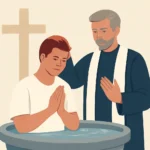
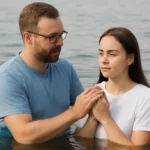
Baptism candidate questions are more than a checklist. They are a doorway into honest dialogue about faith, transformation, and the life of a church community. For churches, well-crafted questions help discern readiness, clarify understanding, and set the stage for ongoing discipleship. For candidates, thoughtful questions offer a framework to articulate belief, wrestle with doubt, and commit to a public witness. This guide brings together practical guidance, theological context, and concrete question sets that can be adapted for infant, child, youth, or adult baptism preparation, as well as for confirmation where appropriate. It emphasizes dignity, clarity, and pastoral care while maintaining accountability and doctrinal integrity.
Questions serve several essential purposes in the baptism process:
Clarifying belief and ensuring that the candidate understands the core gospel message: who Jesus is, what He has done, and what it means to follow Him.
Assessing readiness for baptism as a meaningful, life-changing step rather than a mere tradition or formality.
Providing pastoral care by inviting candid conversations about sin, repentance, grace, and the life of faith in daily practice.
Aligning expectations between the candidate, parents or guardians (if applicable), and the church community regarding responsibilities, membership, and ongoing discipleship.
Documenting a record of the candidate’s journey, which can be referenced for future ministry, counseling, or accountability.
Designing Effective Questions: Theological Intent and Practical Clarity
Effective baptism questions balance theological depth with accessibility. The aim is not to trap or shame but to illuminate a person’s understanding, conviction, and willingness to participate in a life of faith within a local church. Consider these guiding principles as you craft or select sets of questions.
Theological intent
Anchor questions in the core gospel: who God is, the person and work of Jesus Christ, the role of the Holy Spirit, human sin, repentance, faith, and salvation by grace through faith.
Clarify the meaning of baptism: outward sign of inward faith, entry into the church, and a pledge to live as a follower of Christ.
Highlight covenantal language: the believer’s covenant with God and the believer’s participation in the church covenant.
Clarity and accessibility
Use plain language that is appropriate to the candidate’s age and life experience.
Avoid jargon or terms that require advanced theological training unless you include concise explanations.
Make questions progressive, moving from basic beliefs to more nuanced commitments.
Culture and context
Consider the candidate’s cultural background, family dynamics, and prior religious exposure to tailor questions respectfully.
Respect the pace of the candidate’s journey; not everyone will answer every question at once, and the process should unfold with care.
Categories of Baptism Questions: A Practical Framework
Organizing questions into clear categories helps ensure comprehensive coverage of essential topics while remaining navigable for both interviewers and candidates. Below are common categories with example prompts you can adapt.
Faith and belief
Who is Jesus Christ, and why did He come into the world?
What do you believe about the Bible and its authority in your life?
How would you describe your personal relationship with God? If you were to explain it to a friend, what would you say?
Repentance, forgiveness, and salvation
What does repentance mean to you, and how has it shaped your life?
Explain how you understand God’s grace and your need for it.
What role does faith play in your journey toward salvation?
What does baptism mean to you personally, and what does it signify for your relationship with God and the church?
Why is public baptism important in your view, and what does it communicate to your family and community?
How do you understand the relationship between baptism and faith, obedience, and new life in Christ?
Discipleship and life in the church
How do you plan to grow as a disciple after baptism (scripture, prayer, worship, service)?
What questions do you have about the church’s beliefs, practices, or how to participate in community life?
How will you pursue accountability, spiritual disciplines, and mentoring after baptism?
Commandments and Christian living
Which biblical commands do you find most challenging, and how do you intend to live them out?
In what ways do you hope the Holy Spirit will transform your attitudes and actions?
How do you plan to reflect Christ in your family, workplace, school, or neighborhood?
Ethical and pastoral considerations
Are there any ongoing struggles, addictions, or patterns of sin you want to bring into the light and seek help with?
How do you handle doubt or times of spiritual dryness, and who do you turn to for support?
What expectations do you have regarding church community, church leadership, and pastoral care?
Interview Techniques and Best Practices for Baptism Preparation
The way questions are asked matters as much as the questions themselves. Effective interview techniques promote trust, clarity, and a meaningful exchange. Consider these approaches when engaging with baptism candidates.
Creating a respectful environment
Explain the purpose of the conversation before you begin.
Emphasize that honesty is valued, even when beliefs evolve or questions arise.
Ensure confidentiality and set expectations about how the information will be used and shared.
Active listening and discernment
Practice reflective listening: paraphrase what the candidate says to confirm understanding.
Avoid interrupting or rushing the candidate; allow space for silence and reflection.
Note nonverbal cues and the emotional tone behind answers, as these often reveal deeper concerns.
Documentation and record-keeping
Document responses for reference during the baptism service and future spiritual guidance.
Maintain a clear record of what was communicated, decisions made, and follow-up steps.
Store information securely and respect privacy concerns, especially for sensitive topics.
Pastoral indicators of readiness
Consistent confession of sin and repentance alongside faith in Christ.
Evidence of transformed desires, new patterns of behavior, and growing affection for God’s Word.
A willingness to participate in the life of the church and to obey Jesus in daily decisions.
Special Circumstances: Infant, Child, Youth, and Adult Baptism
Different contexts require different approaches to questions, roles, and expectations. Below are considerations for common scenarios.
Believer’s baptism (adult or adolescent)
Focus on personal faith, understanding of the gospel, and voluntary decision to follow Christ.
Questions should invite articulation of belief that is their own—not solely inherited from family or culture.
Infant and toddler baptism with parent/guardian questions
The emphasis is not on the child’s current faith but on the parents’ commitment to raise the child in the faith.
Questions may cover family faith practices, catechetical instruction for the child, and promises to nurture spiritual growth.
Child baptism with baptismal instruction
Combine age-appropriate catechesis with opportunities for the child to express personal faith.
Use engaging formats such as stories, illustrations, or demonstrations to explain concepts like grace, sin, and obedience.
Confirmation or reaffirmation of faith
In contexts where confirmation is practiced, questions may assess growth in understanding of doctrine and church membership.
Address the candidate’s experience with the church community and readiness to reaffirm or renew their vows.
Pastors and churches should approach baptism questions with sensitivity and integrity, recognizing the power of the moment while safeguarding the dignity of every candidate.
Respect for conscience: Do not coerce or pressure a candidate into a reply that does not reflect their beliefs.
Pastoral transparency: Be clear about what baptism signifies within your church, including membership responsibilities and ongoing discipleship commitments.
Care for vulnerable individuals: Tailor questions for children, youth, or adults who may process information differently, and provide additional guidance or time if needed.
Addressing doubt: Normalize doubt as part of faith growth, and offer pastoral resources for exploration and support.
Assessment Tools and Methods Beyond Q&A
While direct questioning is central, a holistic assessment can incorporate several complementary approaches to understanding readiness and faith maturity.
Statement of faith forms or written narratives where candidates summarize core beliefs in their own words.
Brief catechism or doctrinal quizzes to gauge retention and grasp of essential truths, used judiciously and without shaming.
Discipleship plans that outline intended practices (reading plan, prayer targets, service opportunities) for a defined period after baptism.
Mentor or sponsor conversations where designated church members offer guidance and accountability.
Community discussions where candidates engage with mentors and peers about faith, values, and church life in a supportive setting.
Sample Question Sets by Stage
Below are adaptable templates for different moments in the baptism process. You can customize the wording to fit your church’s traditions, language, and doctrinal emphases.
Initial inquiry or interest stage
What draws you toward baptism at this time in your life?
How would you summarize the gospel in one or two sentences?
What questions do you have about the church, Jesus, or baptism?
Post-instruction or preparation class
Explain the meaning of baptism and its significance within the church covenant.
Describe your understanding of grace, faith, and repentance, and how they relate to baptism.
Share an example of a personal life transformation you have experienced since deciding to follow Christ.
Candidate ready for baptism
Can you articulate the core elements of the gospel and how baptism represents a response to that gospel?
What commitments are you making publicly before God and His people in this moment?
How do you plan to grow in your faith after baptism, and who will you invite to walk with you?
How will you nurture your child’s spiritual development in daily life and within the church?
What promises are you making to raise your child in a Christian home, and how will you model Christlike living?
What role will the church play in supporting your family’s faith journey?
Practical Implementation: Integrating Questions into Your Process
To turn these questions into a practical, sustainable practice, consider the following approaches. They help ensure consistency, fairness, and pastoral care across candidates and contexts.
Documentation protocol: Develop a standard form or digital record that captures responses, notes, and decisions. Ensure accessibility for authorized staff and leaders involved in the baptism.
Candidate-friendly schedule: Allow adequate time for conversations, reflection, and prayer. Some candidates may need multiple sessions, especially if there are complex questions or concerns.
Roles and training: Equip interviewers, mentors, and pastors with training on listening skills, cultural sensitivity, and theological boundaries to maintain consistency and care.
Confidentiality and boundaries: Establish clear guidelines about what will be shared publicly and what remains confidential within the pastoral team, respecting family preferences and legal considerations.
Follow-up discipleship plan: Create a post-baptism plan that includes Bible study, language about membership, and ongoing mentorship to reinforce the decision.
Overloading with questions: Too many questions can overwhelm candidates; prioritize essential themes and layer optional prompts as needed.
Relying solely on verbal responses: Include reflection time, written statements, or demonstrations of understanding (e.g., reciting a creed, summarizing the gospel).
Assuming technical terms are understood: Provide brief explanations when terms like justification, sanctification, covenant, or regeneration are used.
Neglecting pastoral context: Adapt to the candidate’s age, background, and life situation rather than applying a one-size-fits-all script.
Inadequate post-baptism support: Without follow-up, baptism can become a one-off moment; emphasize ongoing discipleship and community involvement.
As you build or refine your set of baptism candidate questions, consider these quality standards to maintain integrity and usefulness.
Clarity: Questions should be understandable and free of ambiguity.
Theological alignment: Ensure questions reflect your church’s essential doctrines while being pastorally sensitive.
Flexibility: Allow space for candidates to share beyond scripted responses, including personal stories and testimonies.
Measurability: Favor questions that yield meaningful responses you can reflect on with the candidate and spiritual mentors.
Prayerfulness: Invite the Holy Spirit into the conversation; begin with prayer and close with blessing or commissioning for service.
Turning Questions into a Richer Baptism Experience
Beyond the practical purpose of evaluating readiness, baptism candidate questions can become a catalyst for transformation, community building, and intentional discipleship. Here are ways to deepen the experience.
Storytelling: Invite candidates to tell their faith story in their own words, highlighting the turning points that led to this decision.
Testimony integration: Encourage short testimonies during baptism services to connect personal faith with public witness.
Mentorship networks: Pair candidates with seasoned believers who can walk with them through questions, rough patches, and growth in faith.
Family engagement: Involve families in the preparation, helping them to reinforce faith practices at home.
Community welcome: Use baptism as an opportunity for the church body to affirm the candidate’s calling and responsibilities as a member.
Accessibility and Inclusivity Considerations
Ensure your baptism candidate questions are accessible to people with diverse backgrounds and abilities. This includes considering language differences, cognitive or developmental differences, and neurodiversity.
Provide translations or simplified language where needed.
Offer alternative formats, such as audio recordings or visual aids, to accommodate different learning styles.
Allow for extended reflection times or written submissions if verbal articulation is challenging.
Include caregivers or sponsors in conversations with appropriate consent when minors are involved.
Closing Reflection: Embracing a Shared Journey
Ultimately, baptism candidate questions are about welcoming people into a shared journey of faith. They are a bridge between personal conviction and communal life, between the private confession of faith and the public declaration of allegiance to Christ. By thoughtfully crafting, administering, and following up on these questions, churches can ensure that baptism remains a meaningful, transformative, and enduring gift for both candidates and the communities that receive them.
Quick Reference: Key Phrases and Concepts to Emphasize in Your Material
Baptism as an outward sign of inward faith and as a public profession within the church.
Grace and faith—salvation by grace through faith, not by works.
Discipleship—a lifelong pattern of following Jesus, growing in prayer, Bible study, and service.
Covenant community—membership and mutual accountability within the local church.
Renewal and transformation—evidence of the Holy Spirit’s work in daily life.
Pastoral care—ongoing support, mentoring, and shepherding beyond the baptism moment.
With thoughtful planning, the right questions, and a compassionate approach, the baptism preparation process can become a robust catalyst for spiritual growth, stronger church communities, and clearer articulation of the gospel in everyday life. Whether you are forming a new question set or revising an existing one, aim for clarity, care, and covenantal integrity to serve both candidates and the broader body of Christ.

 Por Laura Jara